
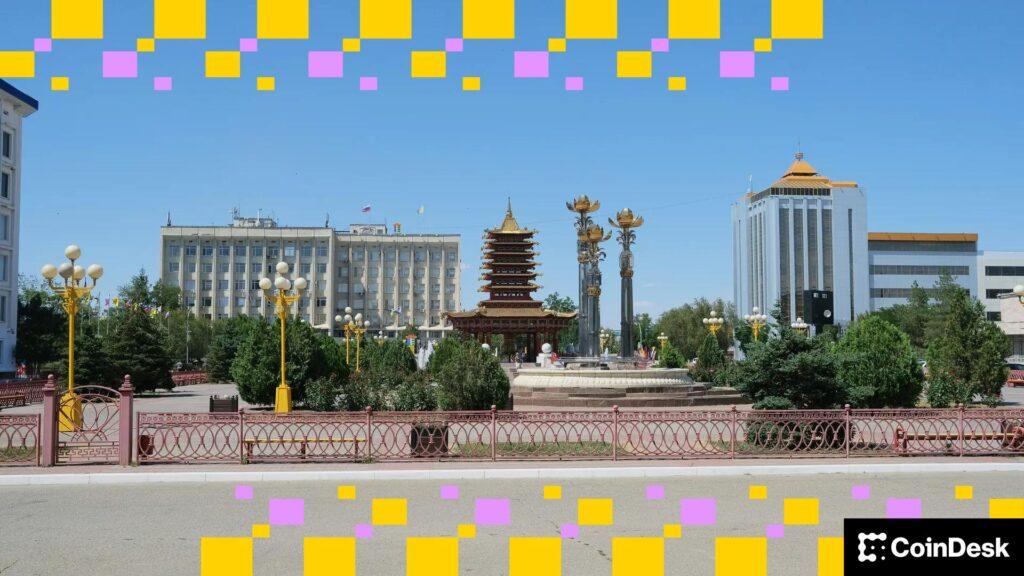
Turkmenistan officially put into effect the Virtual Assets Law that legalizes cryptocurrency mining and cryptocurrency exchanges, with the aim of boosting economic development and attracting foreign investment.
The new regulations, which President Serdar Berdimuhamedov signed into law on November 28, provide a framework for the use, creation and exchange of virtual assets in the country.
A 2025 study of member states of the Organization of Islamic Cooperation (OIC), which includes Turkmenistan, concluded that allowing cryptocurrencies is good for the economy.
“The legalization of cryptocurrencies has significantly boosted economic growth in developing countries by improving financial inclusion and providing the legal clarity essential to attracting digital foreign direct investment,” said Muhammad Rheza Ramadhan, an economist and researcher at the Indonesian Ministry of Finance.
The law defines virtual assets as property, not legal tender or securities, and divides them into two categories: secured (backed by an underlying asset) and unsecured (such as bitcoin). Virtual assets cannot be used as payment for goods or services and must be treated strictly as property or investment instruments.
Cryptocurrency mining by both companies and individuals is allowed, as long as miners register with the Central Bank of Turkmenistan. The law imposes technical standards on mining operations and explicitly prohibits covert mining methods such as cryptojacking.
The law also authorizes the operation of crypto exchanges and custody services, provided that the central bank issues a license. Both domestic and foreign entities may own these services, except those based in or associated with offshore jurisdictions. Exchanges must enforce know-your-customer and anti-money laundering rules, and anonymous transactions or wallets are not allowed.


