
- Anthropic CEO Dario Amodei warned in Davos that allowing Nvidia to sell AI chips to China poses serious national security risks.
- Amodei compared the decision to “selling nuclear weapons to North Korea,” even though Nvidia is a major investor in his company.
- The clash highlights growing industry tension over how AI hardware should be controlled as global powers compete to build advanced systems.
Anthropic CEO Dario Amodei disrupted the polished choreography of the World Economic Forum in Davos this week when he strongly suggested that Nvidia, one of his own company’s biggest backers, was a “nuclear” threat to geopolitics during an interview with Bloomberg.
The interview immediately sparked a global uproar in the technology, diplomatic and security spheres over its response to the US approval of the sale of AI chips to China.
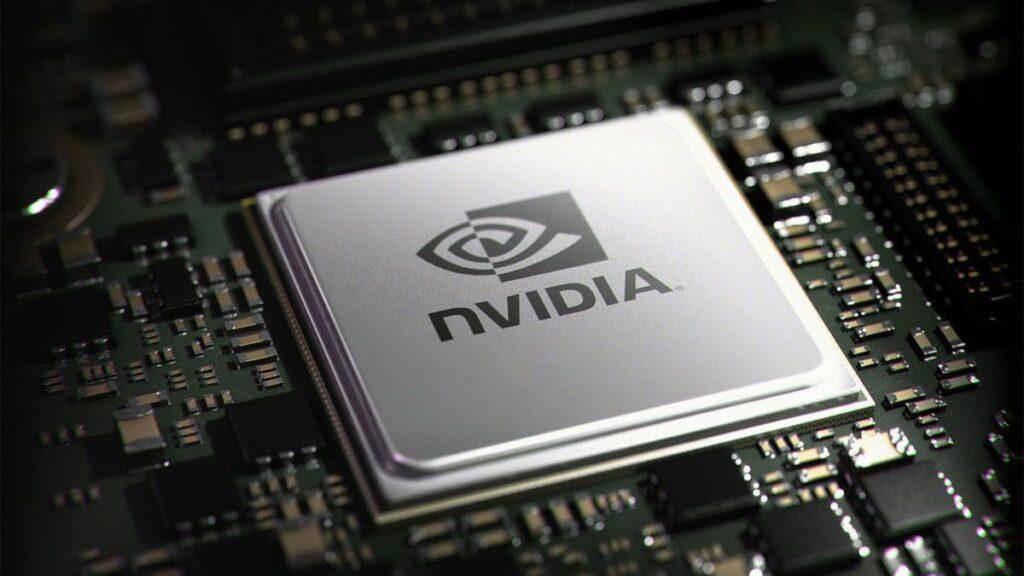
The deal ends a ban on the sale of high-performance AI chips to China. The United States now allows Nvidia and AMD to resume sales of certain AI chips, including the H200 line, to pre-approved customers in China.
“I think this is crazy,” Amodei told a stunned audience during the session. “It’s a bit like selling nuclear weapons to North Korea and bragging that Boeing made the casings.” It was an especially bold reaction from the leader of Anthropic, a company in which the $1.5 trillion chipmaker giant Nvidia has invested more than $10 billion so far.
They are powerful enough to dramatically accelerate Chinese AI capabilities in many ways, with military and security being one that Amodei is particularly concerned about. Amodei sees this as a real and immediate threat because AI models are “essentially cognition, which is essentially intelligence.”
He suggested thinking of chip-driven models as “100 million people smarter than any Nobel Prize winner,” all under the control of one country or another.
During the interview, people were audibly shocked. Anthropic is one of the leading creators of cutting-edge artificial intelligence models. The Claude assistant is often considered a strong rival to ChatGPT in many ways, thanks in large part to Nvidia GPUs.
Friction over China’s access to AI chips reflects a growing divide within the tech industry. Chipmakers and cloud service providers hoping to maintain or expand their control of the AI market are fighting companies like Anthropic with geopolitical fears about unfettered access to AI hardware by authoritarians.
world chip war
Adding to the volatility are Nvidia’s somewhat indispensable AI training chips. Its architecture has become the basis for model development, with few alternative suppliers, although AMD and Intel are eager to catch up. But it means that when Nvidia sells chips to China, it creates more than just new business rivals.
Nuclear weapons and aircraft casings are less than subtle analogies, but Amodei almost certainly chose them for that reason. Davos is the place where CEOs talk as if they’re chewing through a technical manual and a marketing guide at the same time. A direct and consistent projection of the future must have unbalanced many attendees.
One could dismiss Amodei and the entire debate as a high-profile geopolitical drama with little relevance to everyday life. But what is decided at the chip export level affects how quickly the next AI-powered feature and device will appear, and what they can do.
The US Commerce Department has stated that any sales to China are subject to rigorous controls and that buyers are scrutinized for links to military operations. But law enforcement remains a murky business, especially when front companies, joint ventures or outsourcing relationships can blur the lines.
Amodei did not explicitly name China, but no one needed him to. The entire discussion was a rebuke to America’s complacency in treating AI as a neutral export rather than a lever of global influence. And while Nvidia might argue that the chips being exported are less advanced, Amodei’s counterpoint is that even slightly outdated chips can be networked at scale to produce transformative capabilities.
And as Chinese AI labs become more adept at optimizing existing hardware, the line between what is considered a sell and what is not is starting to erode.
Follow TechRadar on Google News and add us as a preferred source to receive news, reviews and opinions from our experts in your feeds. Be sure to click the Follow button!
And of course you can also follow TechRadar on TikTok for news, reviews, unboxings in video form and receive regular updates from us on WhatsApp also.
The best business laptops for every budget


