
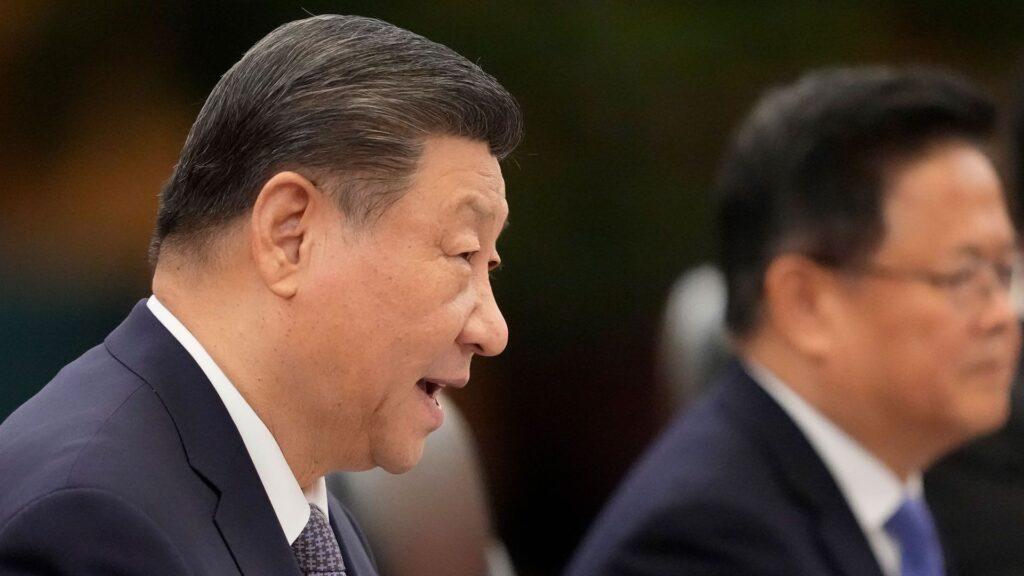
- Xi Jinping highlights AI as a transformative force comparable to the early Internet era
- Beijing believes software-level gains from domestic implementation will outweigh foreign restrictions
- China focuses on AI and semiconductors despite limited access to high-end accelerators
Chinese President Xi Jinping has stressed the importance of the development of artificial intelligence.
At his first formal meeting with ministers in 2026, Xi described AI as an “epoch-making technological transformation,” comparable to quantum computing and biotechnology, and compared it to the industrial revolution and the dawn of the Internet age.
Xi urged officials to overcome development obstacles that continue to hold back domestic technology, and emphasized a “whole-of-nation” approach to supporting local capabilities and maintaining global competitiveness.
DeepSeek and national advances
More than a year ago, Chinese AI company DeepSeek released a large language model comparable to leading AI tools from OpenAI and Meta but requiring roughly eleven times less computing power, generating global excitement and sending shockwaves across the Western world.
The achievement accelerated the rise of DeepSeek and strengthened Beijing’s belief in the power of software-level profits.
The Chinese government believes that coordinated domestic deployment can produce results even under restrictive foreign trade policies.
It has now reinforced policy focus on the domestic AI and semiconductor industries, asserting the need for coordinated growth despite limited access to high-end foreign accelerators.
Xi’s speech also warned against unbridled or reckless spending by provincial governments, which should integrate AI into existing sectors rather than replacing current infrastructure.
This approach previously led to excess idle computing power in national data centers, but authorities have begun selling excess capacity and strengthening oversight of resource optimization.
Xi’s comments come as China prepares for its 15th Five-Year Plan, running from 2026 to 2030, which will formalize the country’s approach to “new productive forces.”
AI occupies a central place in the strategy, as a tool for industrial modernization and as a pressure point to compete with the United States.
Xi stressed caution and warned that the adoption of AI tools should avoid uniform taxation and align with local conditions.
Although Xi’s comments indicate determination to maintain Chinese leadership in AI, the cautious framework also reflects awareness of inefficiencies and overcapacity in existing infrastructure.
This suggests that Beijing’s approach may focus on both resource management and technological ambition.
Through Tom Hardware
Follow TechRadar on Google News and add us as a preferred source to receive news, reviews and opinions from our experts in your feeds. Be sure to click the Follow button!
And of course you can also follow TechRadar on TikTok for news, reviews, unboxings in video form and receive regular updates from us on WhatsApp also.


