
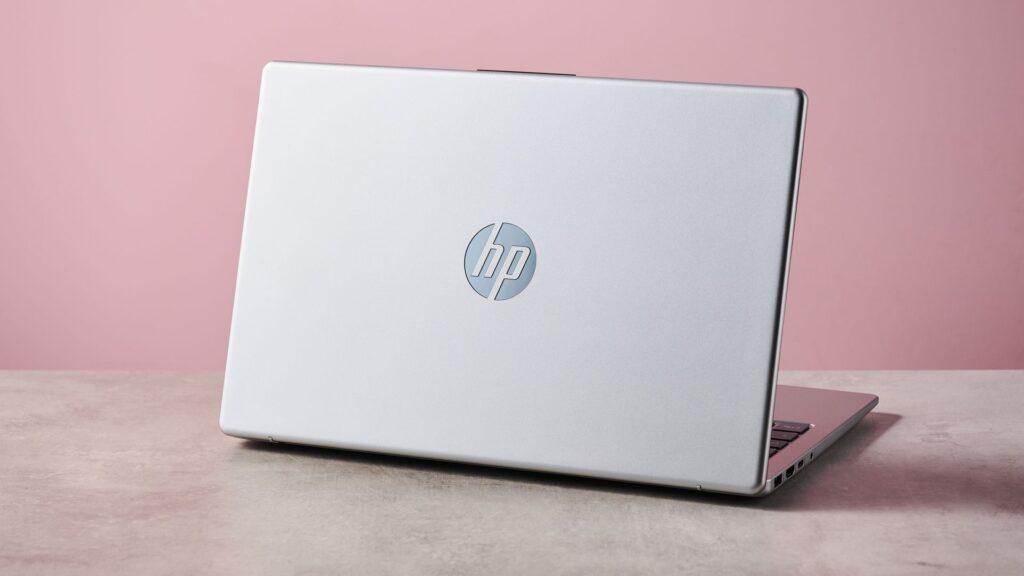
- HP has highlighted how expensive RAM has become
- On average, system RAM now accounts for 35% of the total manufacturing cost of a PC.
- Previously, that figure represented between 15% and 18% of HP’s total outlay on a PC, so the cost of memory has effectively doubled.
HP has made it clear how expensive RAM has become, reaching the point where system memory now consumes twice the budget allocation as before with the cost of manufacturing a new PC.
The Register reports that HP shared this information on a Q1 2026 earnings call. According to HP, in the previous quarter, the cost of system RAM in a PC represented between 15% and 18% of the total budget, while now it represents 35% of the cost. That means the price of memory has practically doubled.
On top of that, we’re told that the amount of that budget consumed by memory modules is likely to increase as the year 2026 progresses.
HP interim CEO Bruce Broussard noted that the PC maker has long-term supply contracts for this year and has also “qualified new suppliers.” [and] “We built strategic inventory positions for key platforms and halved the time to qualify new material to accelerate our product configuration changes.”
Analysis: DDR: double data speed and twice as expensive for HP
At first glance, this is a pretty surprising increase in the percentage of the bill of materials (total component cost) that is now consumed by RAM. In fact, it makes up more than a third of that bill, although that won’t really be a big surprise to those who have been following the price increases we’re seeing for consumers with RAM kits, particularly DDR5 models.
Still, it’s pretty clear that even a company with HP’s clout (it’s the world’s second-largest PC maker, behind only Lenovo) is struggling, despite what must be relatively vast resources in terms of its existing (already purchased) RAM inventory pool. (Speaking of Lenovo, that company is already warning of RAM-driven price increases for consumer PCs in March.)
HP’s interim CEO’s comment about finding new suppliers is particularly interesting, given that we’ve been hearing a lot lately about more affordable RAM from Chinese manufacturers. Is HP turning to Asian chips, such as memory modules made by CXMT, to fill gaps in its supply lines? We can only speculate, but that’s an obvious conclusion that some people are understandably drawing.
The temporary CEO also made a comment about “shaping our products and shaping demand to align the offering we have with the needs of our customers,” which could be read as a hint about having more laptops with 8GB of RAM to curb price increases for more conventional HP laptops. This may be a necessary measure, although it is an unfortunate compromise in terms of preparing for the future.
It’s painfully obvious that the RAM crisis means tough times for everyone right now, even the biggest driving forces in the world of PC manufacturing.
The best laptops for all budgets
Follow TechRadar on Google News and add us as a preferred source to receive news, reviews and opinions from our experts in your feeds. Be sure to click the Follow button!
And of course, you can also follow TechRadar on YouTube and tiktok for news, reviews, unboxings in video form and receive regular updates from us on WhatsApp also.


