
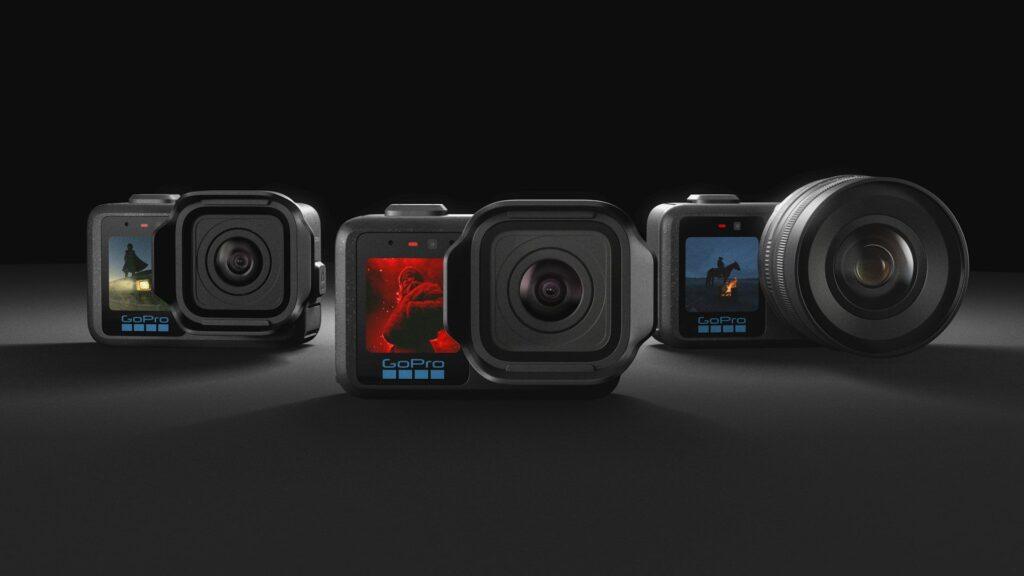
- GoPro presents its Mission 1 series of action cameras, with three new models
- They all feature a new 1-inch 50MP sensor, GP3 processor, and record 8K video.
- An ‘ILS’ model features a Micro Four Thirds lens mount
GoPro stock has been declining lately, especially with increased competition from DJI and Insta360, but action camera maker OG has come back strong with its new Mission 1 series of action cameras.
This is GoPro’s biggest shake-up since going digital 20 years ago, with three “pro” models to choose from; Mission 1, Mission 1 Pro and the curious Mission 1 Pro ILS; the latter features a Micro Four Thirds lens mount and is directly compatible with hundreds and hundreds of lenses.
In addition to the cameras, GoPro will be launching new accessories, including its first wireless microphone kit. And in case you missed it, GoPro recently revealed its own gimbal, so its range of accessories continues to grow.
Article continues below.
I spoke to GoPro ahead of the announcement, and its spokesperson explained how the brand has sought to address many of the perceived drawbacks of its current action cameras, previously led by the Hero 13 Black.
Through a new GP3 processor, GoPro says the Mission 1 series of cameras will have industry-leading battery life and thermal performance (yes, they won’t overheat even when stationary in a warm room), while a new 1-inch sensor is much larger than the one used in the Hero Black models and will certainly improve image quality, especially in low-light conditions.
Pre-orders for each model begin on May 21 and will be fully available starting May 28, with pricing to be confirmed. There’s a lot to unpack here, so let’s take a look at the key features and what to expect.
Mission 1 / Mission 1 Pro
Image 1 of 2
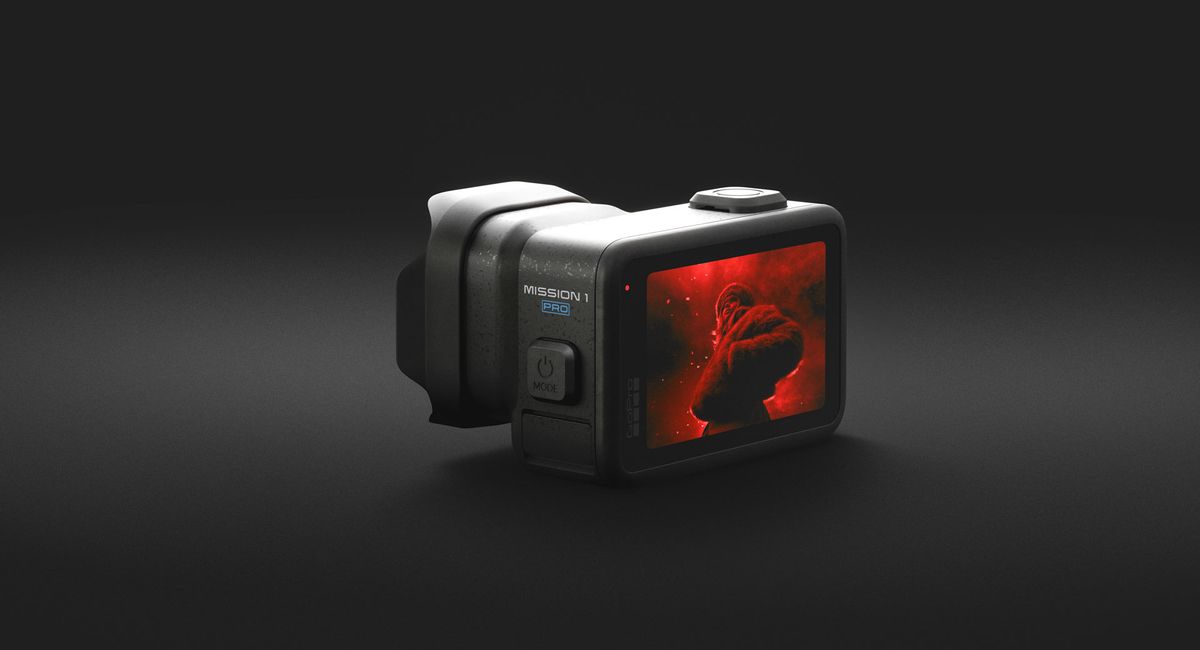
First, the Mission 1 and Mission 1 Pro models. They are essentially the same, except that the Pro version (above, with sunshade) has some additional capabilities, which I’ll talk about.
Both cameras feature the new GP3 processor, a 1-inch 4:3 sensor and take 50MP stills and 8K 30fps / 4K 120fps open-door video (the ‘Pro’ version takes 8K up to 60fps).
Previous GoPro action cameras offered excellent image quality in good light, but this new series looks to improve things in low light with what GoPro says is 14 stops of dynamic range.
The larger sensor and new processor also combine with higher 240Mbps bitrates, HLG-HDR and GP-Log 2 color profiles, plus 10-bit color depth for what should be the highest quality images from a GoPro to date.
Image 1 of 2


With a new Enduro 2 battery (which is compatible with the Hero 13 Black), video recording times are supposedly at least five hours at 1080p 30fps and three hours more for 4K 30fps. They’re also GoPro’s toughest action cameras yet, with 65ft/20m waterproofness and a bright 2.59-inch rear OLED display.
It’s slow motion recording where the Pro version really shines, thanks to its mind-blowing 960fps slow motion video mode. It’s available for 1080p recording, while the regular Mission 1 is limited to 240fps. At 4K resolution, the Mission 1 Pro can go down to 240fps, while the Mission 1 caps at 120fps.
The audio recording also looks impressive; There are four internal microphones and internal 32-bit floating audio recording – these are very professional features. And Bluetooth 5.3 lets you connect to compatible microphones for clear audio, including GoPro’s new wireless microphone kit.
What you don’t get with any of the models the Hero 13 Black offers is the auto-detect lens modification setup; Instead, you just get the redesigned 159-degree field of view lens with hydrophobic coating to keep water droplets from running off.
Mission 1 Pro ILS
Image 1 of 2
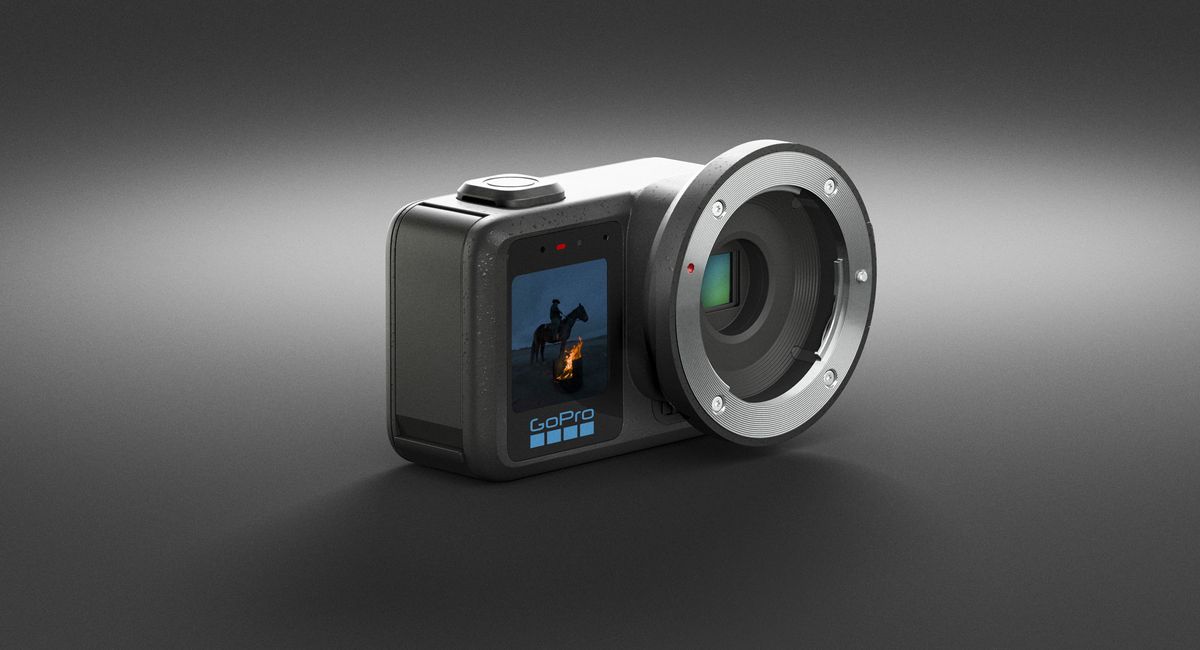
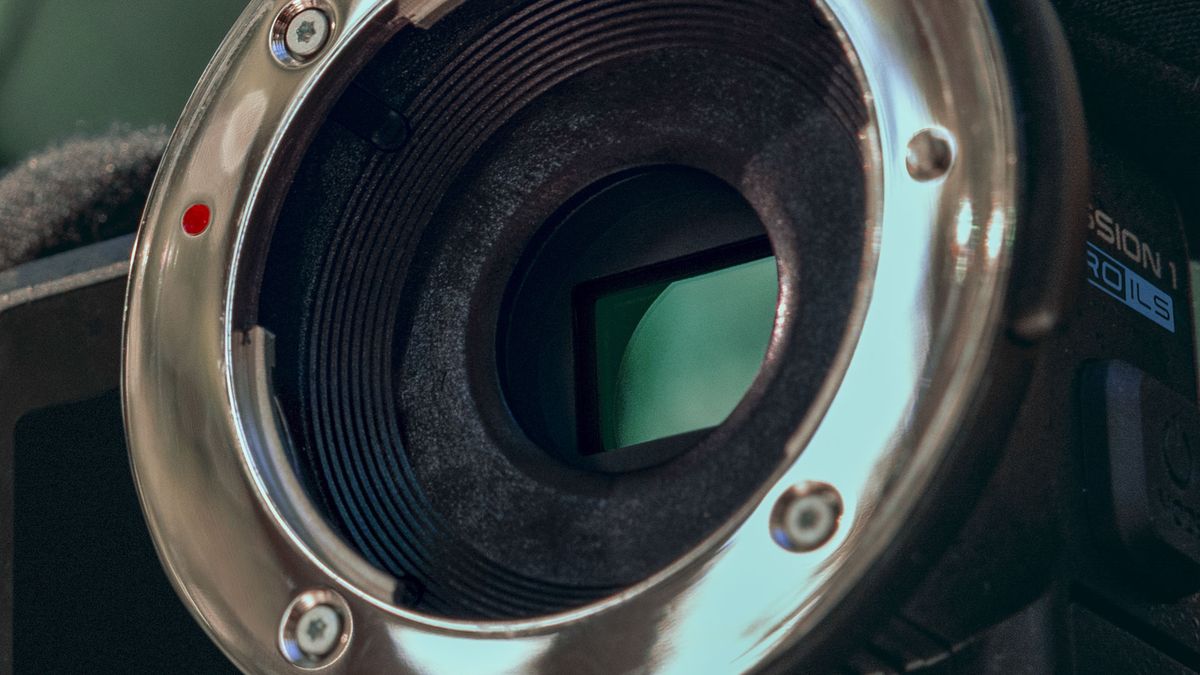
Moving on to the ILS version – it includes the same photography and video capabilities as the Mission 1 Pro, the key difference is that it features a Micro Four Thirds lens mount and as such is only weather resistant and not completely waterproof like the fixed lens Mission 1 Pro is.
This curious design touch means that the ILS is more of a compact cinema camera than an action camera, although it has a similar form factor to the other models.
Now I say “curious” because there is a discrepancy between the sensor size and the lens mount format. The 1-inch sensor is smaller than the Micro Four Thirds sensor the mount is designed for. A 1-inch sensor has a crop factor of 2.7x, while Micro Four Thirds is 2x.
I don’t think I’ve ever used a camera with a 1-inch sensor and Micro Four Thirds lens mount; I’m particularly intrigued by the ILS model and can’t wait to try it out. That extra crop factor will limit the lens choice for fans of a super wide-angle perspective, but on the other hand the telephoto reach will be improved.

Perhaps making the body of the ILS a little larger and equipping it with a Micro Four Thirds sensor would have made the most sense, but this setup could have several advantages and, at the very least, there are hundreds of lenses already available.
I asked GoPro if it plans to make its own lenses based on the Mission 1 Pro ILS, but it unsurprisingly declined to comment.
There will be several Mission 1 series bundles at launch, including Grip Edition, Creator Edition, and Ultimate Creator Edition, with more details to come in the lead-up to launch.
GoPro has just returned to earth after its NASA adventures aboard the Artemis II, and now, with the biggest product updates in decades, it looks like GoPro is back in the frame against DJI and Insta360. What do you think of the GoPro Mission 1 series? Be sure to vote in the poll below and let me know what you think!
Follow TechRadar on Google News and add us as a preferred source to receive news, reviews and opinions from our experts in your feeds. Be sure to click the Follow button!
And of course you can also follow TechRadar on TikTok for news, reviews, unboxings in video form and receive regular updates from us on WhatsApp also.


