
Leghari says additional gas supplies have arrived in the country, which were purchased at spot rates
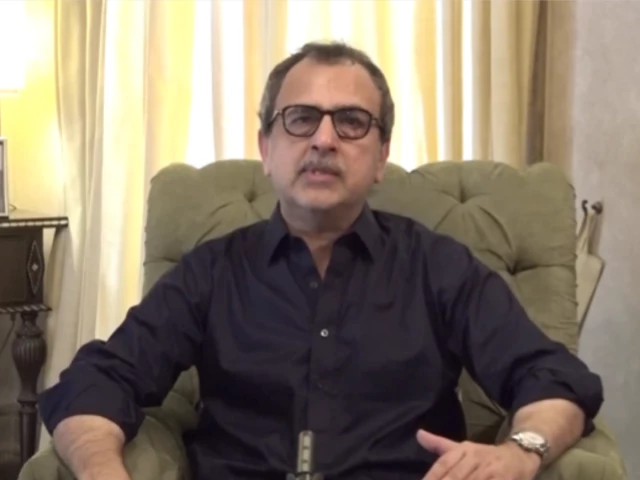
Energy Minister Awais Leghari speaking in a video message. SCREEN CAPTURE
Energy Minister Awais Leghari on Friday announced the end of cargo management across the country following the arrival of liquefied natural gas (LNG) shipments.
In a video message posted on the minister’s X account, Leghari recalled that about two weeks ago, consumers faced load shedding due to shortage of gas supply. On April 13 and 14, up to five hours of load shedding had to be carried out. However, from April 17 to 19 there was no load management, while from April 19 to 29 load shedding was reduced to two to two and a half hours.
He said the recent electricity shortage and scheduled load shedding experienced earlier this month were not due to any technical failure or inability to generate power, but rather due to temporary limitations in fuel supply.
لوڈ مینجمنٹ وزیر توانائی سردار اویس احمد خان لغاری کا اہم پیغام:
الحمدللenstein مینجمنٹ کا خاتمہ کر دیا گیا ہے۔ حالenstein پڑی، تاہم حکومت نے ذمہ دارانہ… pic.twitter.com/2ZCEPGDPGK-Awais Leghari (@akleghari) May 1, 2026
“After six or seven years, when the Nawaz Sharif government ended load shedding, this is happening for the first time,” he said.
He said the gas shortage was caused by LNG supply disruptions amid the ongoing US-Iran conflict, noting that expensive alternative fuels such as diesel and furnace oil could have been used to eliminate load shedding, but this would have placed an additional financial burden on consumers.
He said the country had been forced to rely on expensive alternatives such as diesel and furnace oil to meet demand, warning this would have increased electricity costs for consumers.
The minister said additional supplies of gas had arrived, which were purchased at spot prices. The minister added that hydropower generation had increased significantly, rising from around 1,000 megawatts to 6,000 MW, helping to improve supply levels.
Read: War could cost Pakistan between $10 billion and $68 billion
The minister said LNG cargoes had already arrived in Pakistan, improving fuel availability for power plants. “After this, load shedding is over,” he said, expressing hope that the country will no longer face scheduled outages.
He also dismissed claims about a shortage of installed capacity, saying Pakistan’s total generating capacity was around 32,000 MW, not 46,000 MW as some critics claim. He added that hydroelectric production varies seasonally, which affects overall supply.
He said the government had to operate furnace oil-based plants to overcome the shortfall, but efforts would continue to protect consumers from expensive electricity. “With timely measures, we are hopeful that the public will not suffer load loss in the coming days,” he added.
The country has faced a worsening electricity crisis, with an overall power deficit reaching 6,500 MW, leading to prolonged load shedding in several regions and growing public frustration.
“After April 1, the supply of LNG from abroad was disrupted and Qatar declared force majeure. From that day on, a significant gap emerged in the fulfillment of requirements that were previously met during peak hours by gas-fired power plants,” the Energy Minister had said in a press conference on April 16.
On April 14, the Energy Division announced that due to increased demand for electricity during peak hours, electricity would be suspended for approximately 2.25 hours daily between 5 pm and 1 am nationwide under its “peak relief strategy.”
Read more: Government increases petrol by Rs 6.51 and high-speed diesel by Rs 19.39 per liter
However, in both urban and rural areas, consumers reported outages that far exceeded the limited “load management” described by authorities. In remote districts, power outages that lasted up to 12 hours, and in some cases up to 16 hours, had effectively paralyzed daily life.
“The goal of this load management is to reduce the use of expensive fuels and prevent an increase in electricity prices,” the energy department said.
Since rising tensions between the United States and Iran in the Middle East caused oil prices to spike, the government has increased fuel prices by more than 50%.
The United States and Israel launched an attack on Iran in February, after which Tehran responded with attacks and closed the Strait of Hormuz, disrupting global oil supplies and causing international oil prices to soar.
Amid rising prices, the government, in the first week of March, raised oil product prices twice, noting that the increases exceeded the increase in the international market. However, the most significant increase occurred in April of this year.
Last month, the government increased the price of petrol by Rs 137 per litre, taking it to a record high of Rs 458.4. However, a few days later, the prime minister, in a televised speech, announced a reduction of Rs 80 per liter in the tax on petrol, bringing its price down to Rs 378 per litre.
Last week, the government again increased prices of both high-speed diesel and petrol by Rs 26.77 per liter despite no corresponding increase in international rates, as it imposed an additional tax of nearly Rs 27 per liter on fuel to push up prices.
Barely a week later, on Thursday it raised the prices of petroleum products again, bringing them closer to Rs 400 per liter.


