
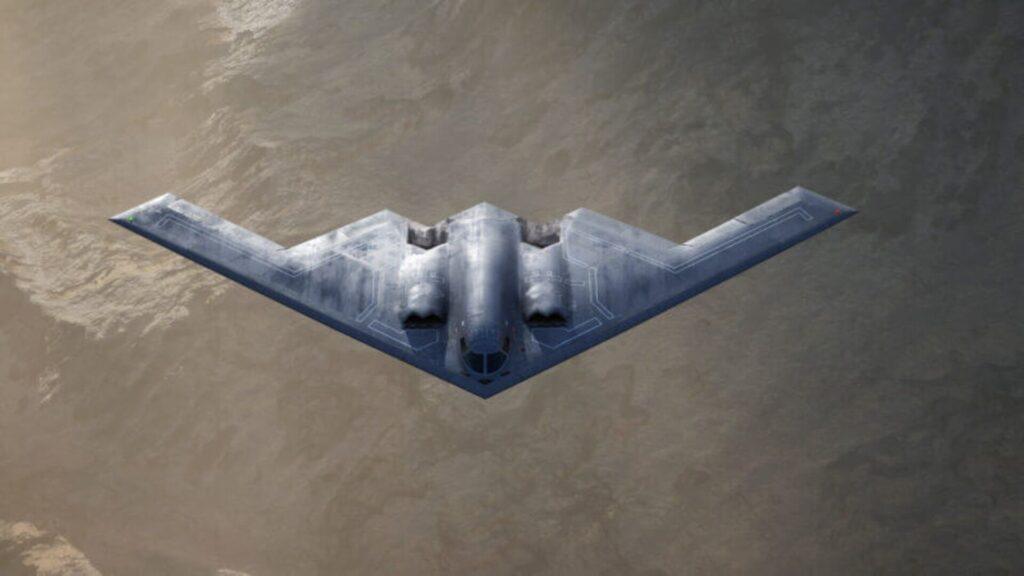
- PADJ-X modeled the B-21’s geometry using only publicly available images
- Simulation claims suggest a 15% improvement in aerodynamic efficiency
- Leaked files show partial validation of radar cross-section simulation components
A Chinese aerospace simulation tool called PADJ X has reportedly identified aerodynamic and stability limitations on America’s most advanced stealth bomber, the B-21 Raider.
The software operates as an integrated platform that combines five main disciplines: aerodynamics, propulsion, electromagnetism, infrared signature and sonic boom design.
According to a peer-reviewed paper published in Acta Aeronautica et Astronautica Sinica, the researchers applied 288 parameters to simulate a B-21-type design, using publicly available images instead of classified specifications.
Article continues below.
Claimed capabilities exceed existing Western platforms
Their analysis claimed that aerodynamic optimization could increase the aircraft’s lift-to-drag ratio by 15%, while reducing the effects of shock waves that degrade stealth and efficiency.
The PADJ
A Chinese researcher noted that the software “has full intellectual property rights” and allows “comprehensive optimization of aircraft aerodynamic configurations.”
Western platforms like NASA’s FUN3D and Germany’s FLOWer solvers don’t integrate as many physics disciplines into a single environment.
These existing systems often require manual adjustments when moving optimization from one discipline to another, making multi-objective tuning slower and more fragmented.
PADJ
Available data suggests a functional but unverified system
The 20 GB of leaked files associated with PADJ
Individual components of the software portfolio have been verified to function correctly, including radar cross section calculations executed in third-party tools such as Altair FEKO.
However, running a full multiparameter geometry optimization from scratch would require more computing power and time than has been publicly demonstrated.
The research articles referenced in the leak (numbers 10.7527/S1000-6893.2025.32221 and 10.7527/S1000-6893.2025.32816) cannot currently be found anywhere, not even in Chinese-language repositories.
Access to these documents appears to have been strictly restricted from the beginning or removed following the leak from China’s National Supercomputing Center.
The lack of verifiable access to the final December 2025 software package leaves room for doubt, as does the convenient narrative of a “mother of all leaks” that cannot be independently confirmed.
What’s not clear is whether Chinese scientists really pushed the B-21’s aerodynamic limits or whether the entire episode serves a different strategic purpose.
Leaks may rely primarily on open source images and publicly known design limitations rather than genuine spying.
This suggests that the claims could combine real technical capability with a carefully managed narrative aimed at influencing perceptions of US stealth superiority.
Through SCMP
Follow TechRadar on Google News and add us as a preferred source to receive news, reviews and opinions from our experts in your feeds.


