
- Tor Project and Funding the Commons launch native crowdfunding on Web3
- The initiative seeks to support 10 non-profit organizations that defend Internet freedom
- People can donate to projects that use cryptocurrencies until June 18, 2026
Internet freedom has been in decline for 15 consecutive years, Freedom House’s latest report shows, and censorship and surveillance technology is becoming increasingly pervasive. Meanwhile, the vital open source tools that people rely on to stay safe online face systemic financial strains.
To combat this crisis, the Tor Project, the nonprofit behind the renowned Tor browser, has partnered with Funding the Commons to launch a new crowdfunding campaign today.
While everyday Internet users can rely on the With the best VPNs to mask their daily web traffic, activists, whistleblowers, and journalists in highly restricted regions rely on more specialized public interest digital infrastructure. Unfortunately, financial pressures have forced many of these organizations to reduce their staff and reduce their technical operations.
This first Web3-native, community-driven crowdfunding initiative is completely dedicated to the internet freedom ecosystem. It aims to support 10 crucial non-profit projects working on privacy, censorship circumvention and secure communications.
People can now donate to these select projects using various cryptocurrencies until June 18, 2026, and your choices matter more than the size of your wallet.
The power of ‘quadratic financing’
The campaign uses a unique community-driven model called quadratic financing. Instead of a traditional setup where massive individual donations dictate the success of a fundraiser, this model prioritizes the large volume of unique contributors.
A spokesperson for the initiative explained to TechRadar that this model seeks to amplify financing based on community support.
Here, donations from community members act as votes on where funds should be allocated. A central matching fund then increases the amount projects receive using a formula that rewards those supported by the greatest number of people, rather than just the highest value donations.
The spokesperson added a practical example: “Imagine there is a $10,000 matching fund and three projects raise $1,000 each. One project receives donations from 2 people, another from 5 people, and another from 20 people. Although all three projects raised the same amount, the project supported by 20 contributors receives the most matching funds because it demonstrated the broadest community support.”
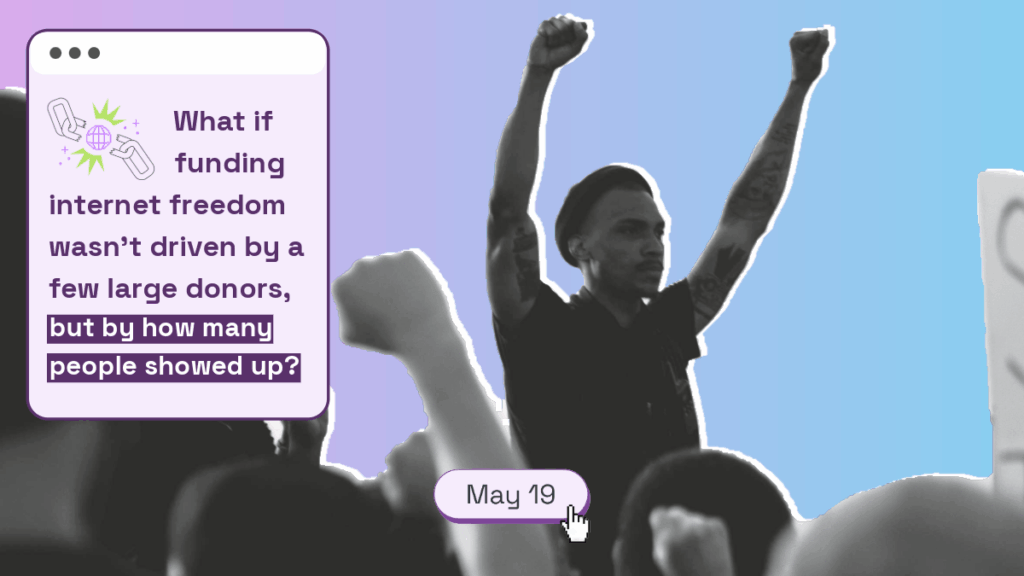
Tomorrow we’re launching something new: a way to make small contributions go further than usual. This only works if people show up. May 19.#FundInternetFreedom@SecureDrop @guardianproject @BPFreeSpeech @OpenObservatory @open_archive @unredacted_org… pic.twitter.com/rpuDcDloqCMay 18, 2026
The goal of quadratic financing is then to better capture what is needed across the community, while encouraging participation from smaller contributors to maximize the impact of the funding available.
As Commons Finance Director David Casey says: “Institutional money takes cues from the community, not the other way around.”
“Any donation moves the match pool, regardless of size, putting weight behind the projects Tor users rely on every day,” Casey added.
Cake Wallet, Zcash Community Grants, Logos and Octant have already provided a core matching fund of $115,000 USD. This group is distributed based on how many people support a project.
The 10 projects that benefit from this initiative include heavyweights such as safe fall (a secure reporting system), OnionShare (anonymous file sharing) and the Open Network Interference Observatory (a global observatory documenting Internet censorship and shutdowns).
Other vital tools supported include Open file, Bounce update, Onion Browser, ASL19, Unwritten, Mian Groupand Nessuno Observatory.
Users who want to contribute can donate through Bitcoin (BTC), Ethereum (ETH), Zcash (ZEC), Monero (XMR) and Golem (GLM).
The campaign will run until June 18, 2026 and can be accessed through the transparent web at internetfreedom.torproject.org or through its exclusive Onion Service.


