
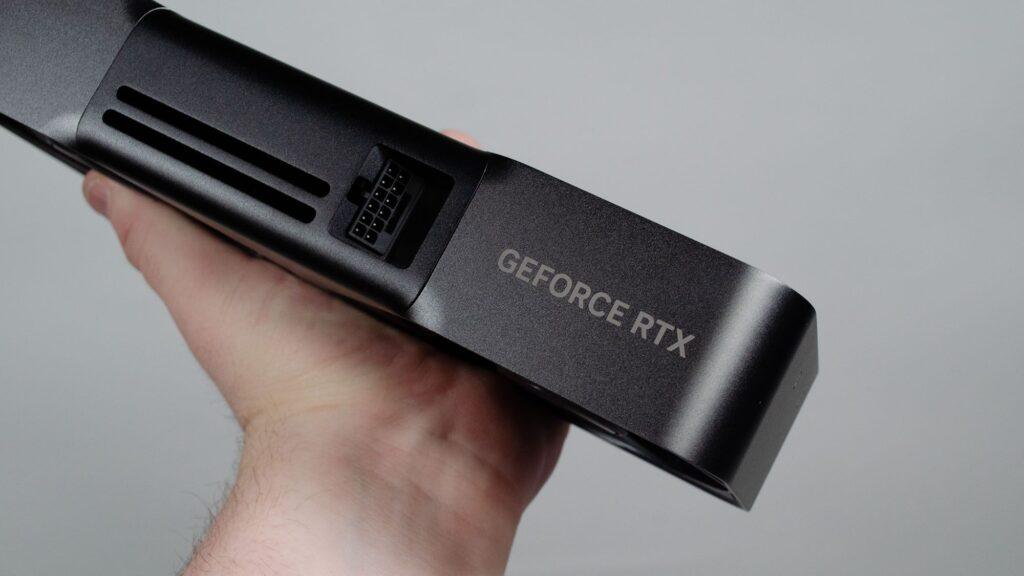
- Nvidia just announced its results for the first quarter of fiscal year 2027
- This came with a change to the way GPU sales are reported.
- They will no longer be detailed separately, but will be buried in another category: Edge Computing, and there is reason to be nervous.
Nvidia is flying with the reveal of its latest financial results, hitting a record quarter, but hidden among the boasts of success was a move that I find a bit disturbing regarding Team Green’s gaming GPUs.
Tom’s Hardware noted that aside from record revenue in the first quarter of fiscal 2027, which reached a staggering $81 billion, Nvidia is making a change to the way the company reports its financials going forward.
Starting this quarter and going forward, Nvidia will not separately report sales of customer graphics cards, i.e. consumer (GeForce) and professional (RTX Pro and others) GPUs.

Instead, sales of those graphics solutions will be absorbed by another, larger category: Edge Computing.
So Nvidia will have only two main categories in its financial reports: Data Center, which covers cloud, AI and supercomputing, and Edge Computing, which includes PCs, workstations, consoles, as well as robotics, automotive and telecommunications. We will not get any breakdown of sales of graphics solutions.
Analysis: changing priorities
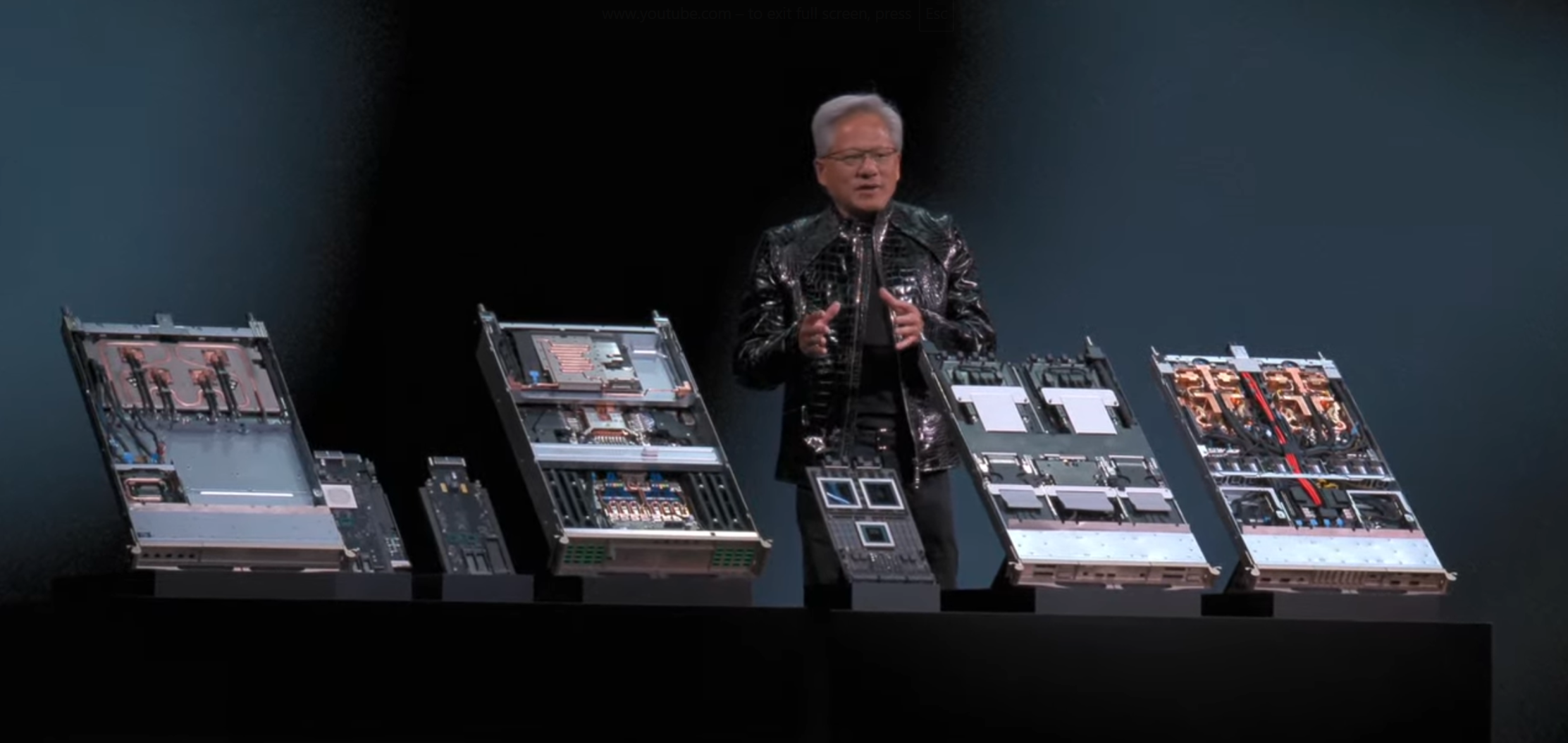
This all sounds awfully boring, of course, so why do gamers care? And why might it worry them, more specifically? Well, what it means is that it will no longer be possible to see how the GeForce and RTX side of Nvidia’s business is performing.
In short, it’s effectively covering a pall of darkness (I think I found one in Baldur’s Gate 3) over Nvidia’s graphics revenue so that no one can easily see how this side of the business is doing.
Of course, this is a reflection of a few things: Most likely, Nvidia has become an AI giant. And also the only thing that really matters to investors now is AI, and Team Green doesn’t think the charts are important enough to report directly. The various RTX graphics cards that Nvidia sells, whether GeForce or non-consumer RTX models, can be silently archived in the background.
What worries me is that this is also a way to keep graphics sales out of the spotlight if Nvidia is going to deprioritize its GeForce line in the future. Without visibility into financial reports, there will be no easy way to spot the decline of gaming GPUs.
It may seem like a leap to a conclusion, but it’s not just this latest move with financial reporting to consider; There’s also Nvidia’s broader attitude toward GeForce of late. With the RAM crisis, we have seen GPU price increases and concerns about production and stock. On top of that, there have been rumors about the GeForce models that were supposed to be released: RTX 5000 Super upgrades, which were long rumored and supposedly designed and prepared, but have now been shelved.
Rumor has it that we won’t see any new Nvidia GPUs this year, not a single one, and that’s very rare (in fact, it hasn’t happened in three decades). That’s because Nvidia needs all the chips it can get (and perhaps more specifically, all the video RAM) for AI graphics cards that are much more cost-effective than consumer models.
And let’s not forget Nvidia’s keynote at CES 2026, a show that’s all about consumer electronics –—didn’t mention anything to do with GeForce GPUs. (Not the hardware, anyway, although we heard about DLSS 4.5, but that’s not exactly the same thing – the only hardware that was mentioned was gaming monitors.)
There’s a growing sense among gamers that priorities are shifting more radically toward the AI side of Nvidia’s market, and away from gaming GPUs, and I can’t blame people for thinking this way. This latest move to bury graphics sales in Nvidia’s financial reports seems like another step on this path of marginalizing the GeForce family, and yes, I agree, we can’t jump to conclusions, but it all adds up and seems pretty sinister to me.

The best PC drivers

Follow TechRadar on Google News and add us as a preferred source to receive news, reviews and opinions from our experts in your feeds.


