
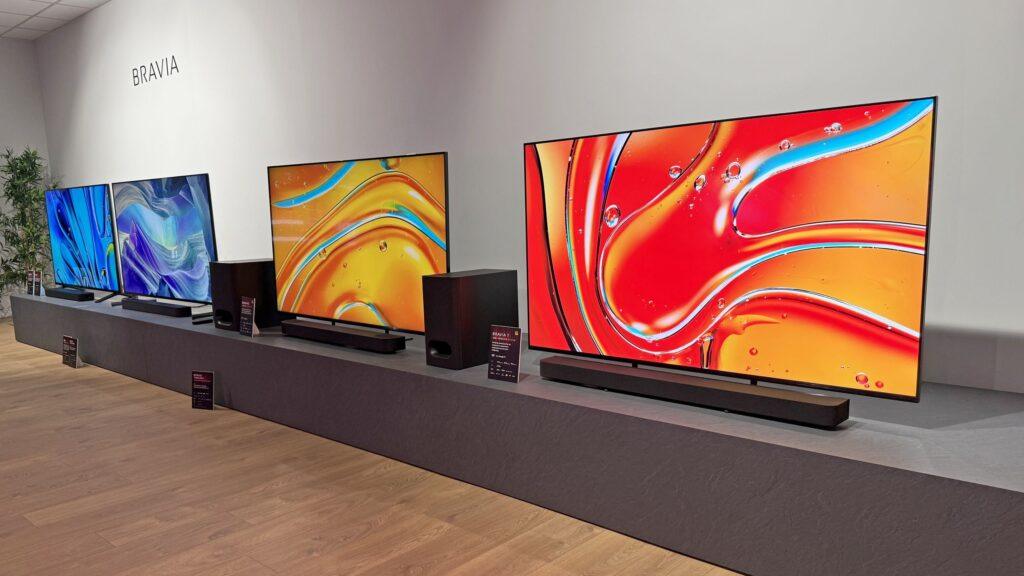
- Sony’s entire 2026 TV range has already been announced
- Three levels: mini-LED RGB, OLED and LED
- In sizes from 43 inches to 115 inches
Sony just launched two new Bravia TVs today, with the new Bravia 7 II and Bravia 9 II replacing the current Bravia 7 and Bravia 9. The new models have mini-LED RGB backlighting and pretty steep prices: the Bravia 7 II starts at £1,899/$1,599 (around AU$3,560) for a 50-inch model, and this rises to £22,999 / $30,999 (around AU$43,165) for the 115-inch Bravia 9 II.
Although the two higher-end models simply replace their predecessors, other models in the current Bravia range are a little more confusing: both the Bravia 8 and Bravia 8 II are available, while there is no Bravia 5 II, only the Bravia 5. And have you ever tried saying the name of the Bravia 2 II out loud to someone? Requires explanation!
It’s a little confusing (although only a little by TV naming standards), but it all makes more sense when you see that the Bravias are divided into three tiers: True RGB mini-LED, OLED, and LED respectively. The higher the number, the higher up the list it is.

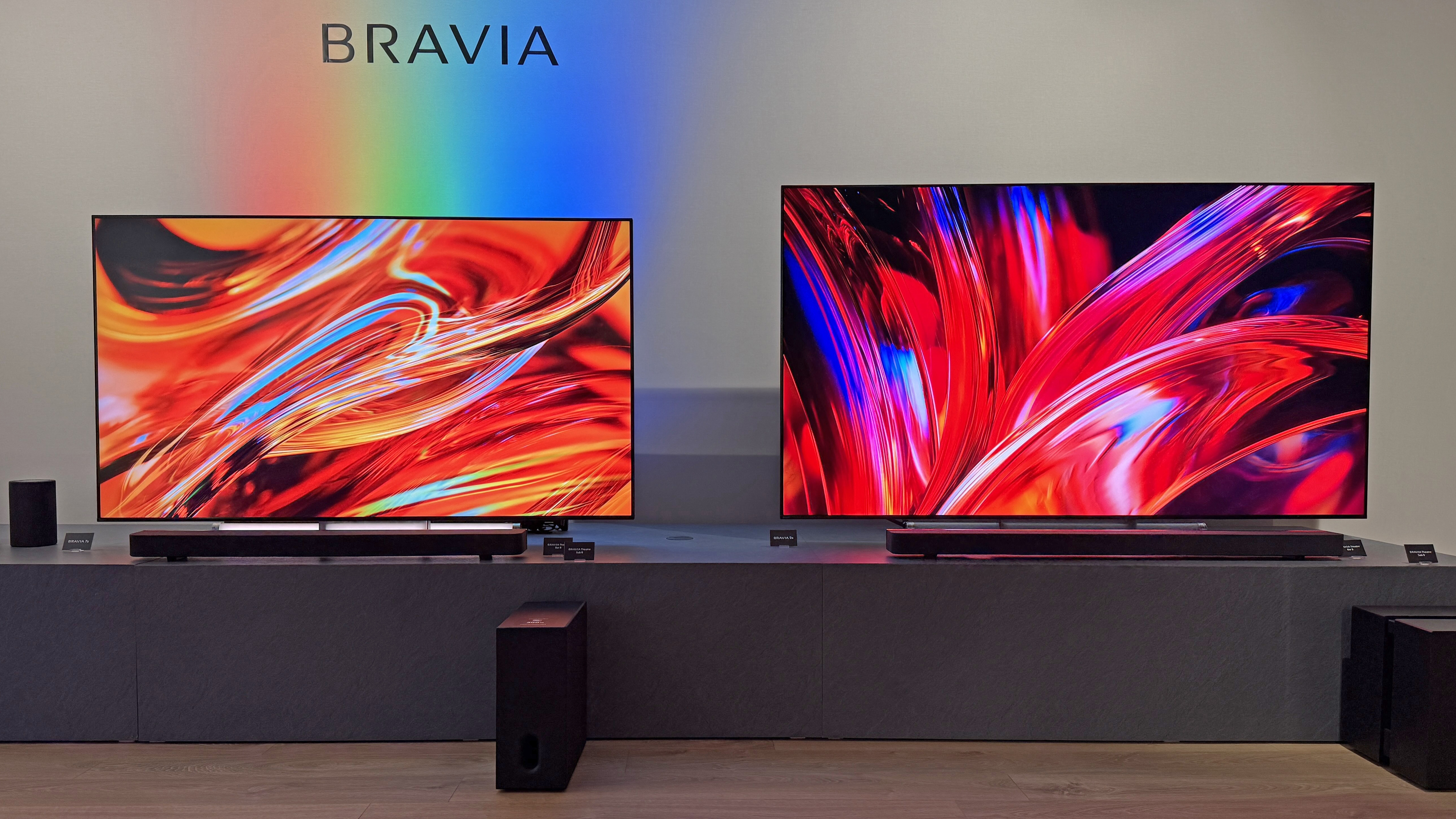
What Bravias are in the Sony range of 2026 televisions?
|
Name |
Screen type |
Sizes |
|---|---|---|
|
Bravia 9II |
true RGB |
65, 75, 85 and 115 inches |
|
bravia 7 |
true RGB |
50, 55, 65, 75, 85 and 98 inches |
|
bravia 8 |
OLED (QD-OLED) |
55, 65 inches |
|
Bravia 8 |
OLED (W-OLED) |
55, 65 inches (77 inches in US only) |
|
Bravia 5 |
LED (mini-LED) |
55, 65, 75 and 85 inches |
|
Bravia 3II |
LED |
43, 50, 55, 65, 75, 85 and 100 inches |
|
bravia 2 |
LED |
43, 50, 55, 65 and 75 inches |
Let’s start with the flagships first.
He Bravia 9II and bravia 7 They are True RGB televisions. The Bravia 7 II is available in 50, 55, 65, 75, 85 and 98-inch versions, while the flagship Bravia 9 II comes in 65, 75, 85 and 115-inch versions.
That makes the Bravia 7 II the first RGB TV from any brand to come in a 50-inch version (previously the smallest was 55 inches) and that puts it right up there with the best OLED TVs if you want a premium TV in a smaller size. Those TVs should be worried: we’ve seen Sony’s RGB technology on multiple occasions and it’s very impressive.
The key difference between the Bravia 7 II and the Bravia 9 II is that the latter has a more powerful backlight than its brother. It is capable of generating 3990 nits in professional mode. We measured the Bravia 7 II at 2078 nits in the same mode. Both numbers come from testing pre-production models, but we’d expect very similar actual numbers; We also expect there to be fewer dimming zones and other changes on the Bravia 7 II, but we’ll need to test the TVs to get more details on that.
Below are the two OLED ranges, the OLED Bravia 8 and the QD-OLED bravia 8. Both come in 55- and 65-inch versions. In the United States, the Bravia 8 is also available as a 77-inch TV. Here’s our Bravia 8 review and our Bravia 8 II review, if you’d like to read about both sets.
And the last level is LED televisions; the Bravia 5 is mini-LED, while the Bravia 3 II and Bravia 2 II are more standard LED technology.
He Bravia 5 comes in 55, 65, 75 and 85 inches; he Bravia 3II comes in 43, 50, 55, 65, 75, 85 and 100 inches, and the bravia 2 It is available in 43, 50, 55, 65 and 75 inches.
So that’s it: you can usually use the first number to tell if something is better or worse than the other models, but sometimes being a ‘II’ matters… and sometimes it doesn’t.
Are you thinking of buying a new television?
Try our TV size and model finder! You tell you how far you sit from your TV, we’ll tell you what size to buy based on viewing angle advice from picture quality experts, and we’ll recommend our three best TVs in that size at different prices.

Follow TechRadar on Google News and add us as a preferred source to receive news, reviews and opinions from our experts in your feeds.


