

- Microsoft has confirmed that 26H2 will be a minor update
- It will be a “small enablement package” like Windows 11 25H2
- This means less chance of bugs, as core features are rolled out separately in monthly updates – a sensible approach, although that said, 27H2 could be different.
Microsoft has confirmed that the next annual Windows 11 update will be another minor affair, all to avoid a repeat of the chaos around the 24H2 update.
Windows 11 24H2 was the latest version of the operating system to land with major changes, as 25H2 was a small incremental update, and it is now confirmed that this will also be the case for 26H2.
Windows Latest reports that Microsoft confirmed that Windows 11 26H2 is a “small enablement package” like the previous 25H2.

In reality, this means that the update is essentially a light download with no significant additional features, so isn’t that disappointing?
In a word, no, because it’s just an indication of how Microsoft has shifted to a more sensible way of working in terms of annual updates for Windows 11.
Analysis: a more stable way of working
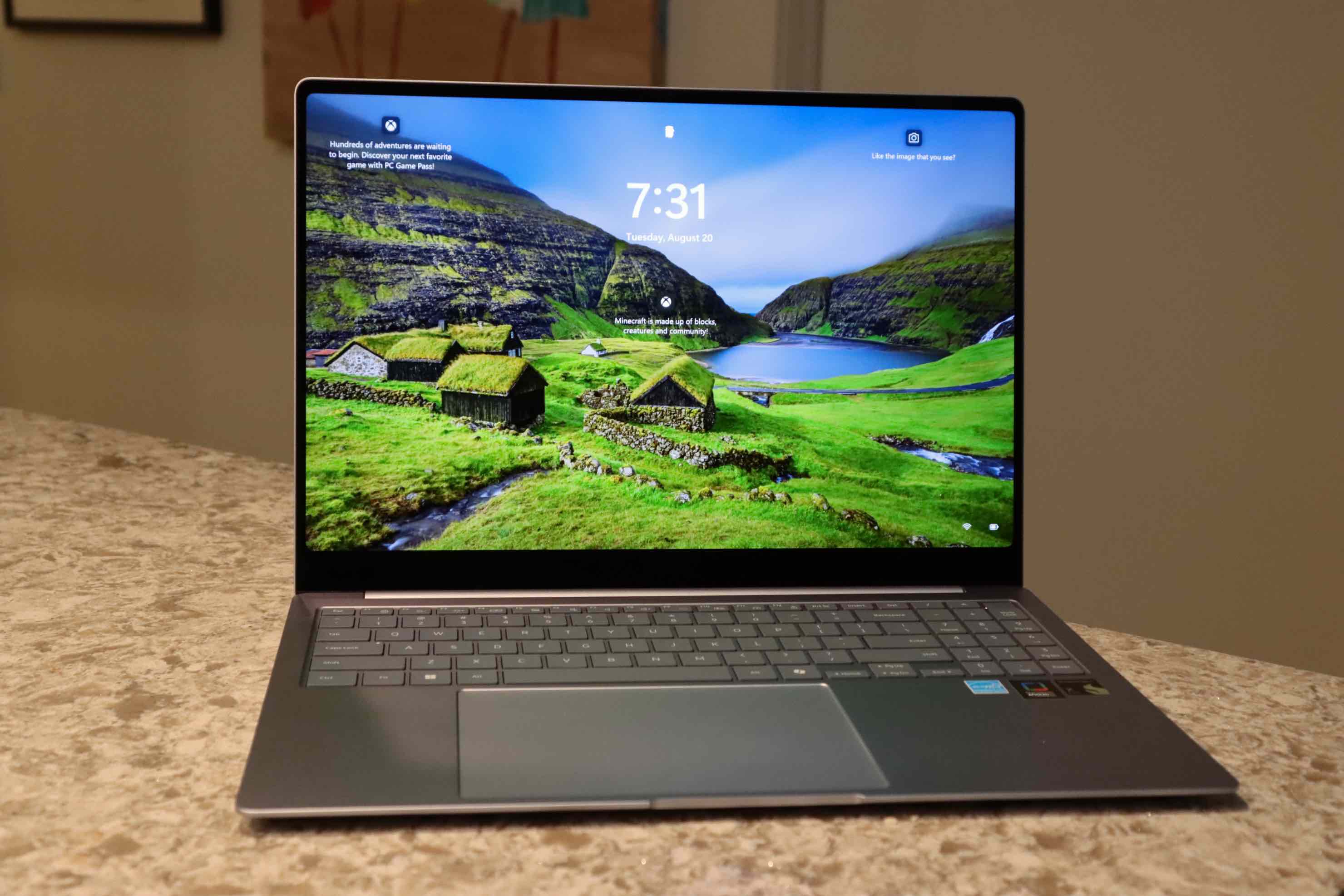
Instead of dumping a bunch of new features in the annual update, Microsoft is now rolling them out in stages throughout the year. And that strategy of introducing major new features in different monthly updates (with the usual controlled rollouts, the pace of which varies depending on how cautious Microsoft feels about any given functionality) is a better way to work overall.
Not only does it mean that we don’t have to wait until the second half of each year to receive major new changes for Windows 11, but we also don’t have to deal with a massive download or complicated installation when the H2 update arrives. On top of that, there’s more chance for things to go wrong when a big annual update hits, as we saw with the 24H2 update, which suffered from a lot of annoying bugs, and I think Microsoft learned its lesson from this.
So what’s the point of the annual update now? Well, 26H2 provides another support marker, expanding your ability to get upgrades. Those still using Windows 11 24H2 should note that support for this version ends in October 2026, which is when 26H2 should roll out (or just before, perhaps in September), so those using 24H2 will need to upgrade to 26H2.
That said, the other possibility of installing a newer version of Windows 11 that is an enablement package is that, while it doesn’t include any new features as such, upgrading to the latest version, such as 26H2, may trigger a rollout of features to your PC that you wouldn’t have otherwise gotten. There’s no guarantee you’ll get anything, but it might work that way.
In general, I prefer Microsoft to work this way for the reasons outlined around the greater stability of rolling out features gradually, rather than having them arrive in one big lump with the inherent danger of a bunch of gremlins in there.
Microsoft can go this route because the foundations of the underlying codebase remain the same, as has been the case since 24H2, although at some point it will need to port Windows 11 to a new codebase, which is when we will see a larger update.
And we’ve already had signs that this will happen with next year’s update, and that 27H2 could represent a big change for Windows 11, one that unifies the Arm and AMD/Intel (x86) architectures (with the former currently split into its own OS branch, in update 26H1 instead of 26H2).
Hopefully, going forward, Microsoft will continue to broadly stick to the new philosophy it seems to have adopted, in terms of fewer major updates and multiple enablement packages in between.

Follow TechRadar on Google News and add us as a preferred source to receive news, reviews and opinions from our experts in your feeds.

The best laptops for all budgets


