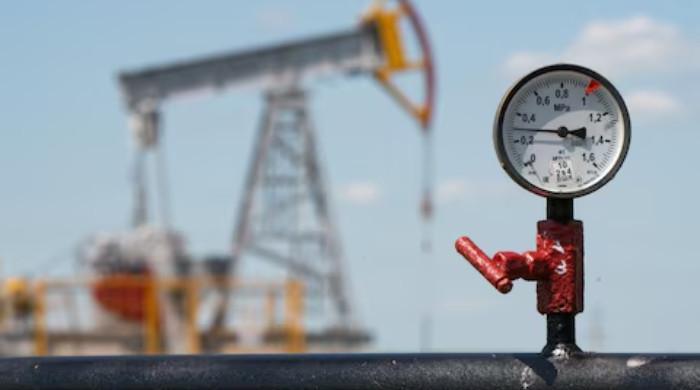
- Oil and LNG exports continued despite tensions in the Strait of Hormuz.
- Markets are watching possible talks between the United States and Iran in Doha on regional tensions.
- Investors remain cautious despite hopes of easing tensions in the Gulf.
Oil prices fell on Tuesday and were poised for a monthly decline, as investors eyed possible talks between the United States and Iran in Doha amid a tense interim ceasefire in the four-month war.
August Brent crude futures, which expire on Tuesday, were down 0.9%, or 64 cents, at $72.51 a barrel by 0356 GMT. These levels are about $20, or 22%, lower than last month’s close. The more actively traded September contract was down 0.4%, or 31 cents, at $73.6 a barrel.
U.S. West Texas Intermediate for August fell 0.6%, or 39 cents, to $70.36 a barrel. Prices are set for a drop of around $17, or 19%, from the May 29 close.
Both Brent and WTI prices have almost returned to pre-war levels on February 27.
“Investors are discounting hope for a positive outcome from the Doha talks, although actual normalization of flows through the Strait of Hormuz is not yet visible,” said Tim Waterer, chief market analyst at KCM Trade.
“The market is cautiously hopeful, but continues to hedge its bets until we see more tangible signs of de-escalation,” Waterer added.
Iranian and Omani experts will begin talks on redefining transit routes through the Strait of Hormuz in the coming days, Iranian Deputy Foreign Minister Kazem Gharibabadi told state television on Monday, adding that his country will try to obstruct ships outside the defined routes.
However, Iranian Foreign Ministry spokesman Esmaeil Baghaei said there will be no negotiating meetings at any level with the US side in the coming days.
“The meeting in Doha maybe important, maybe not. We’re going to find out,” US President Donald Trump told reporters in the Oval Office.
Uncertainty over whether the two sides would meet highlighted the fragility of a June 17 agreement to suspend fighting that has disrupted global oil flows through the Strait of Hormuz and posed a political challenge to Trump ahead of November’s congressional elections.
Weighing further on prices, some analysts were concerned about demand from China.
“We expect more evidence of an increase in Chinese buying, but we still can’t bet on a big return to the market from the world’s largest crude oil importer,” said Sparta Commodities head of research Neil Crosby.
Meanwhile, Middle East producers are pressing ahead with loading oil and LNG despite new attacks on ships in the Strait of Hormuz and new attacks between the United States and Iran in recent days, shipping data showed.
Last week traffic reached its highest level since the conflict began in late February.