NEWNow you can listen to Pak Gazette articles!
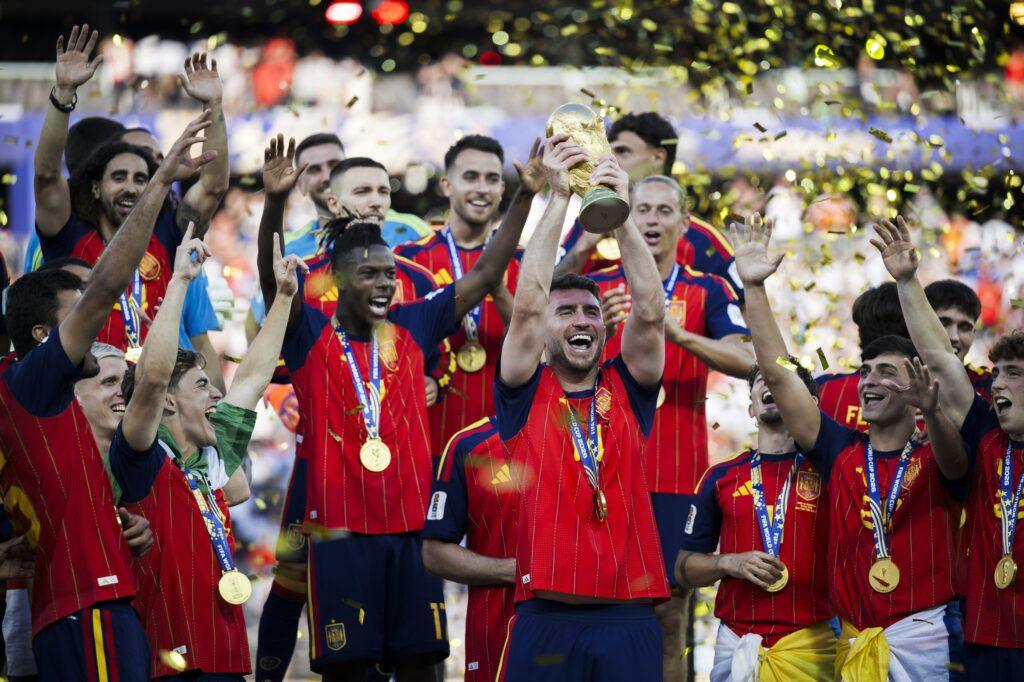
Spain won its second men’s World Cup title after a 1-0 victory over then-defending champions Argentina to cap a memorable run in which La Roja only conceded one goal in eight matches in the tournament.
The campaign began with a goalless draw against Cape Verde, but Spain bounced back with a resounding 4-0 victory over Saudi Arabia. The group stage concluded with a 1-0 victory over Uruguay to secure Group H.
In the knockout rounds, Spain defeated Austria 3-0 for the first time in the round of 32. That followed a 1-0 victory over Portugal in the round of 16. In the quarter-finals, a 2-1 win over Belgium set up a blockbuster semi-final clash with France. It turned out to be a dominant 2-0 performance for Spain, followed by the victory over Argentina in the final.
So what’s next for the players who led Spain to win the World Cup?
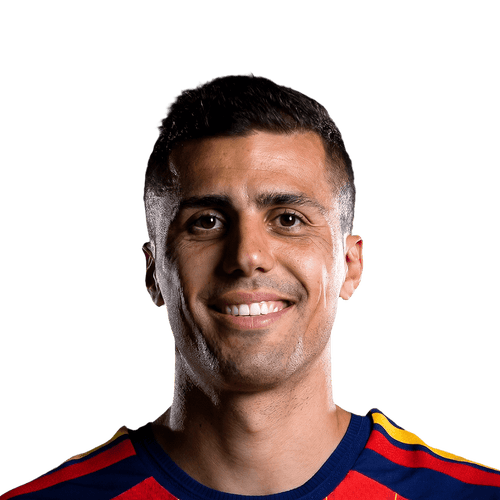
As the Ballon d’Or winner for best player of the tournament, Rodri delivered masterclass after masterclass as team captain and do-it-all midfielder. He didn’t score a goal or provide an assist, but his ability to contribute in both attack and defense made him a vital piece of Spain’s puzzle. He becomes the seventh player to win a World Cup, a European Championship, a Champions League and a Ballon d’Or throughout his career.
Rodri currently plays for Manchester City, with whom he has won every major title in his seven seasons there. He has now been linked with a move to Real Madrid.
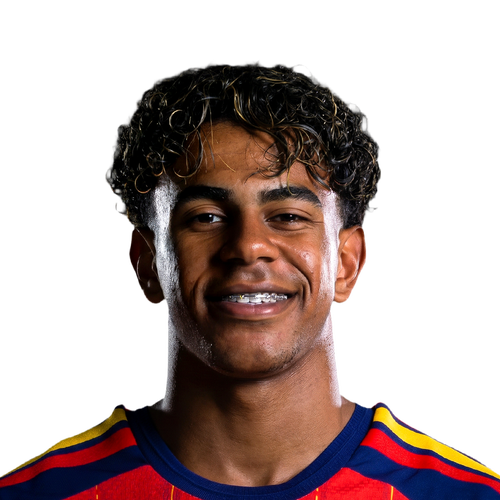
Turning 19 during the tournament, Yamal failed to live up to summer expectations as he recovered from a hamstring injury, but he still showed why he will be a star player for years to come.
His only goal came in the victory over Saudi Arabia, becoming the second player aged 18 or younger to score the first goal in a World Cup match since Pelé in 1958. Yamal became the youngest player to win both the World Cup and the UEFA European Championship at 19 years and six days. He also became the third youngest player to play in or win a World Cup final, after Pelé and Giuseppe Bergomi.
Yamal returns to action for Barcelona, having led the club to back-to-back LaLiga titles. He will be instrumental in trying to help the Catalan club win their first Champions League trophy since 2015.
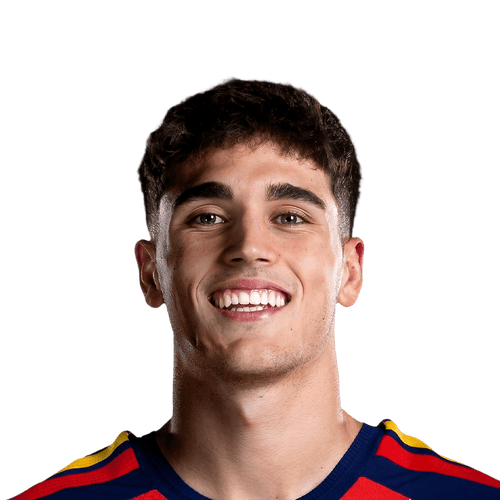
Another 19-year-old Barcelona phenom like Yamal, centre-back Pau Cubarsi, was a stalwart in Spain’s backline as he was paired with veteran Aymeric Laporte in central defence. He became just the second player on record to complete more than 100 passes in a World Cup final.
Cubarsi was a well-deserved selection as Young Player of the Tournament. His World Cup winner’s medal follows the Olympic gold medal he won with the Spanish under-23 team at the Paris 2024 Games.
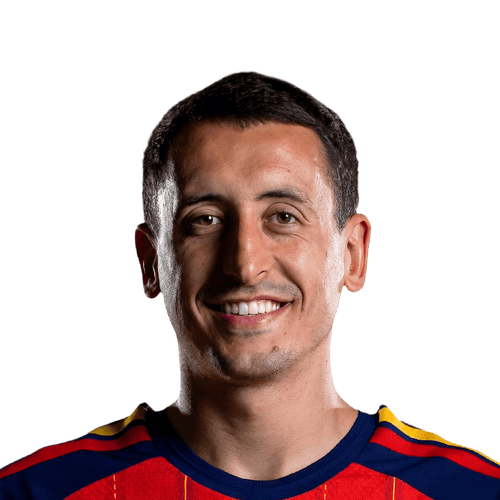
Mikel Oyarzabal was not considered Spain’s top scorer in the tournament with players like Lamine Yamal in the team, but the Real Sociedad man finished the tournament as a surprise contender in the Ballon d’Or chase with five goals.
Oyzarabal does not have the profile of a classic striker, but his ability to find space in Spain’s intricate passing and playing system made him the perfect man for Luis de la Fuente’s team. Oyzarabal, already a key man for Spain during their Euro 2024 title run, put the finishing touches on all summer. His five goals equaled the record by a Spanish player in a single edition previously achieved by Emilio Butragueño and David Villa.
Oyarzabal returns this season to Real Sociedad, the only club for which he has played professionally.
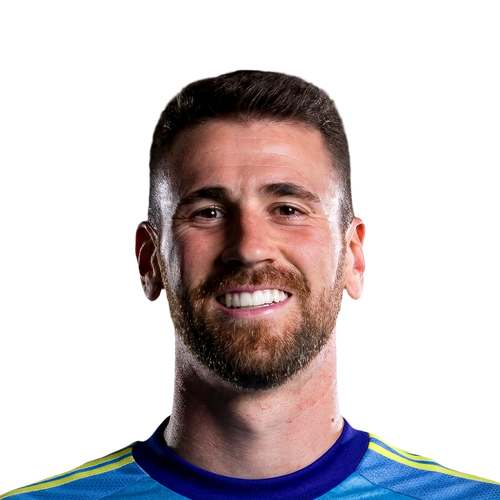
Unai Simón won the tournament’s Golden Glove as best goalkeeper, although he was not always the busiest man on the field.
He only allowed one goal in eight games (Charles De Ketelaere’s goal for Belgium in the quarterfinals was the only blemish) and in the final against Argentina he only saw two shots, none on goal. In total, Simón only needed to make 14 saves in the tournament. Argentine Emiliano Martínez almost had to score that amount in the final alone, finishing with 11.
Simón plays for Athletic Club de Bilbao, where he is one of the best goalkeepers in LaLiga.