
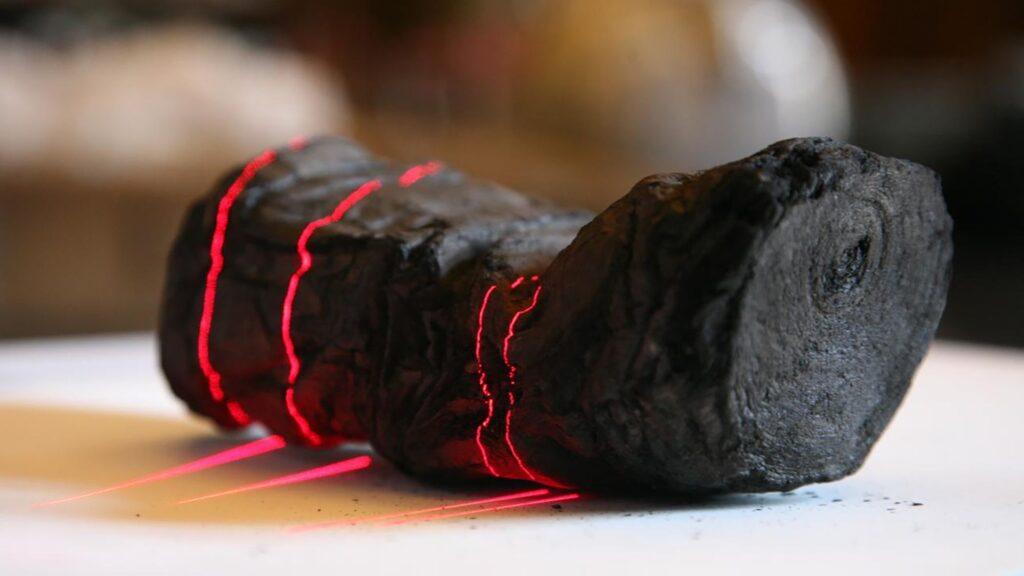
- The Vesuvius Challenge is decoding scrolls affected by the 79 AD eruption
- The AI just partially read another scroll
- This despite the fact that the parchment was rolled up and badly burned.
Look at the ancient PHerc scroll of 1667, recovered from the ancient Roman city of Herculaneum that was smothered by the eruption of Mount Vesuvius in AD 79, and you would think there wasn’t much chance of discovering what was written on it. It is rolled up, burned and blackened, and it is impossible to open it without destroying most of it.
However, using the latest artificial intelligence techniques, researchers on the Vesuvius Challenge project (via The Guardian) have now been able to read 20 columns of sealed text, describing the Stoic philosophy that was much discussed at the time and how it relates to ethics, art and human behavior.
Here’s how it works: Without opening this scroll and others like it, a combination of X-rays and artificial intelligence algorithms can be used to recognize subtle differences between the papyrus fibers encased in the charred manuscript. That tells researchers where the ink is.

Additional AI processing can identify and complete letter fragments and suggest possibilities for what might be missing. It is then up to human researchers to read and interpret what the writing actually means, an approach that has seen multiple successes since the Vesuvius Challenge was launched in 2023.
Going deeper into the texts
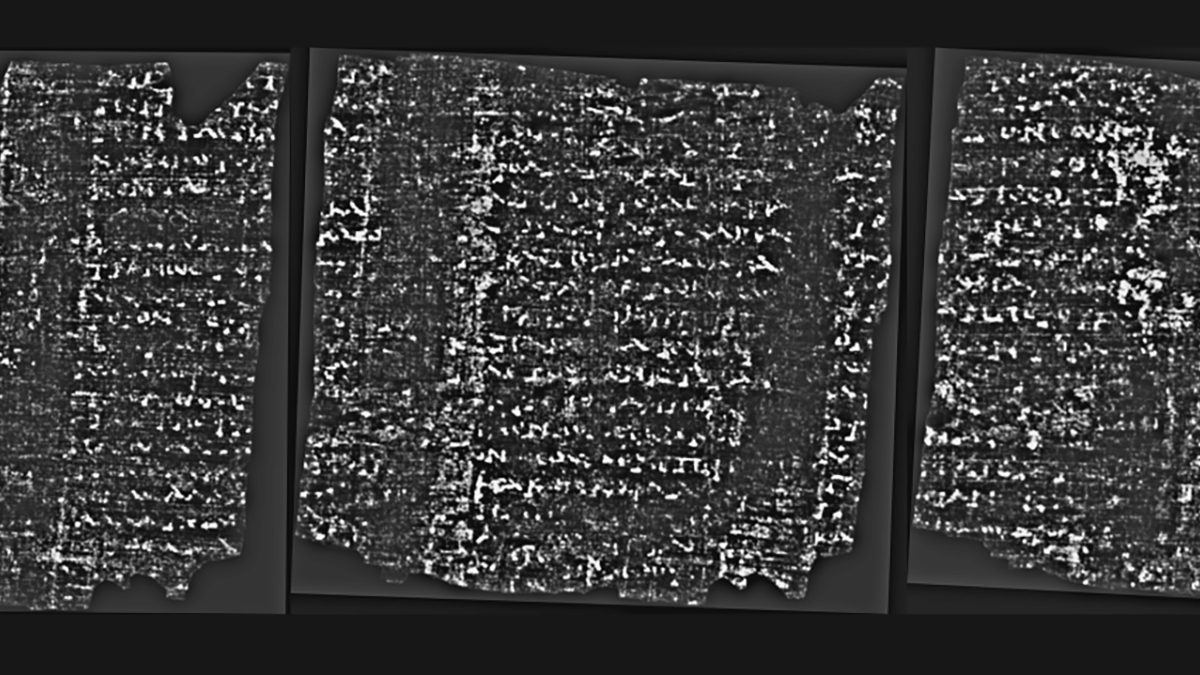
Experts believe that PHerc 1667 may actually date back to two or three centuries before Mount Vesuvius erupted, making it an intriguing look into the ancient past. The same cloud of fire and ash that engulfed Herculaneum also (and more famously) covered Pompeii, although the two cities were preserved in quite different ways.
Researchers working on the project say the scroll is one of many believed to be found inside a library and part of a luxurious Roman villa. By now, the scroll had already been torn in half (it is now just 8 cm (3.15 in) long) and part of it has disintegrated due to previous attempts to open it.
Each new discovery reveals more about the scroll collection as a whole, including how these texts relate to each other and who their author was. Initial analysis suggests that this particular scroll may have been written by the Greek philosopher Chrysippus, a prominent member of the Stoic school.
“People now know that this can be done and we are now exploring what [the texts] “This really means it,” one of the research team members, Professor Brent Seales, a computer scientist at the University of Kentucky, told The Guardian. “For me, that’s the World Cup. I just won the World Cup: that’s my victory.”

Follow TechRadar on Google News and add us as a preferred source to receive news, reviews and opinions from our experts in your feeds.

The best laptops for all budgets


