
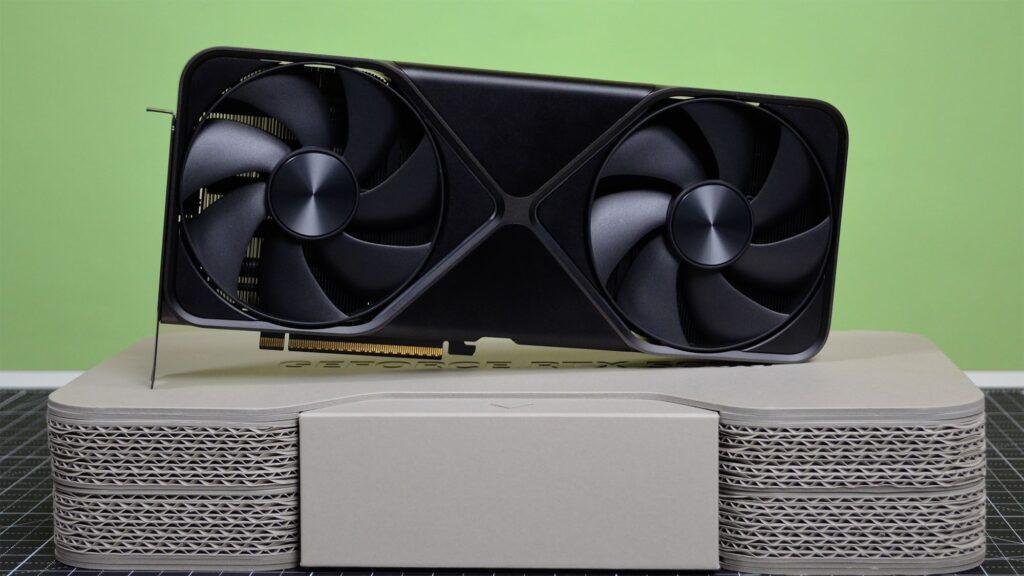
- A Reddit user’s RTX 5090 has partially melted a PCIe riser cable
- Some of the riser cable material is stuck on the backplate of the RTX 5090
- It’s not as serious a concern as connector melting issues, but it’s worth being careful with riser cable and GPU spacing from now on.
Building a new gaming PC in 2026 and beyond is a tall order for any gamer amid the RAM crisis, and that’s why this case of caution around hardware components is vital.
As reported by TweakTown, a Reddit user reported a partially melted Lian Li PCIe riser cable due to heat from direct contact with the Asus TUF GeForce RTX 5090 backplate. Material dislodged from the riser cable is evident on the GPU backplate, but fortunately it is not a substantial amount.
Riser cables are an ideal solution for any PC builder looking for a small case that can accommodate larger GPUs by placing them vertically. In this case, the user specifically notes that the riser cable became trapped against the GPU backplate during a routine cleaning of the PC, suggesting that heat from the GPU melted the riser cable’s insulation.

It shouldn’t be a big surprise that the RTX 5090 is involved in a case of component fusion (albeit minimal). In case you missed it, there have been several cases of GPU power cables melting on RTX 5090 GPUs, which is due to high power consumption (575W).
However, it’s important to note that this can happen with other GPUs on AMD’s Radeon and Nvidia’s RTX cards, especially those that can get quite hot under heavy load. However, the Team Green flagship is likely to be more prone to melting complications, which are made worse when using cheap riser cables or GPU power connectors.
Rtx 5090 Fused Vertical Cable from r/pcmasterrace
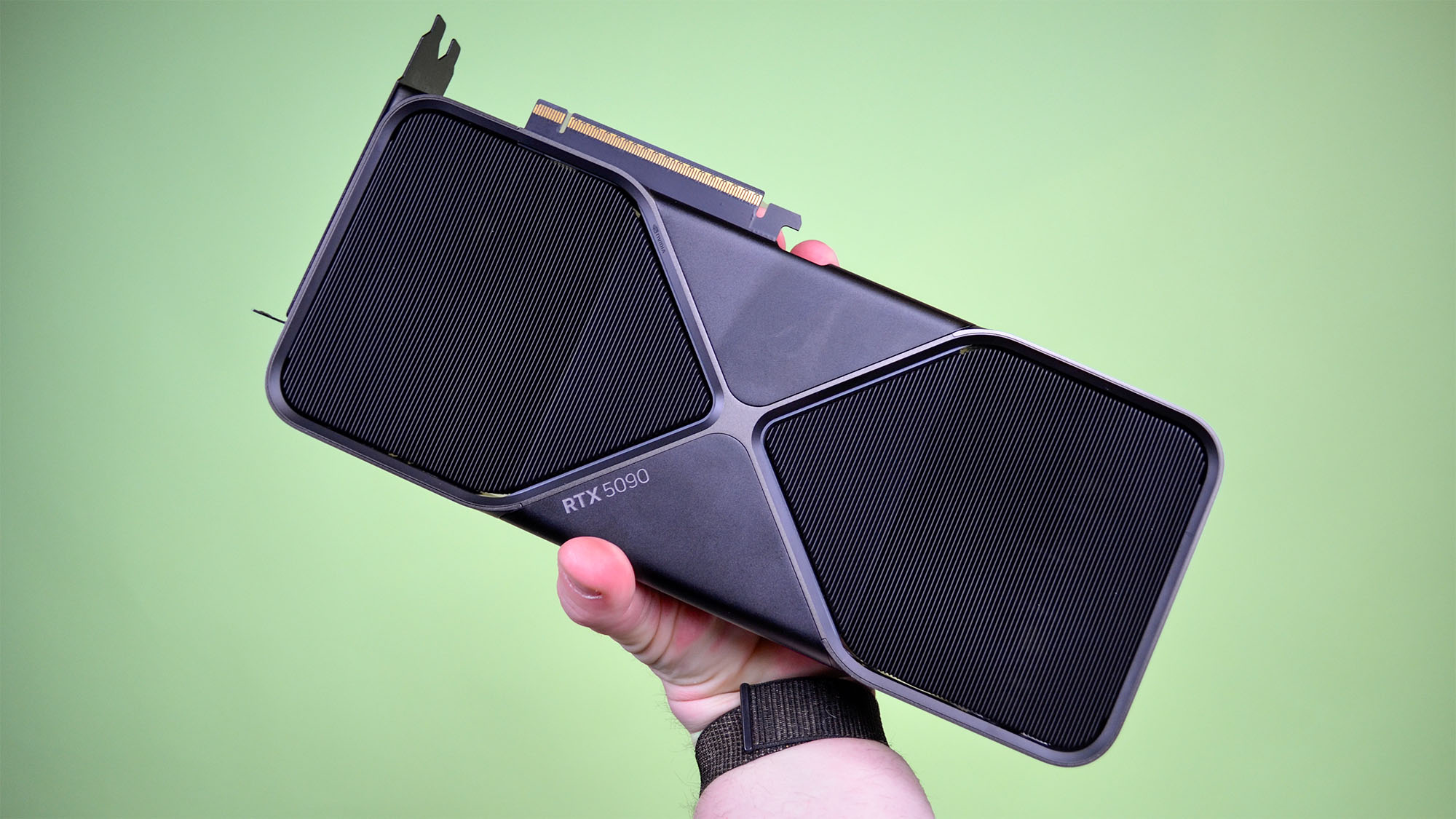
Fellow Redditors argue that this is not a fusion issue, as it appears the riser cable has detached. Regardless of the exact cause, it is best to use this as an example to proceed with caution when mounting a new GPU.
If it is necessary to use a riser cable due to space limitations, users should leave enough space for both the GPU and the riser cable to avoid direct contact. It’s great that this user became aware of the issue before a real problem arose.
We’ve reached out to Nvidia to see if they have any comments on this particular case, but haven’t heard back yet, but I’m sure the same cautionary note will be shared.
We’ve seen rare, but much worse, cases of GPU meltdowns, and given how expensive it would be to purchase new PC hardware, I’d go so far as to suggest users be overly cautious.

Follow TechRadar on Google News and add us as a preferred source to receive news, reviews and opinions from our experts in your feeds.


