
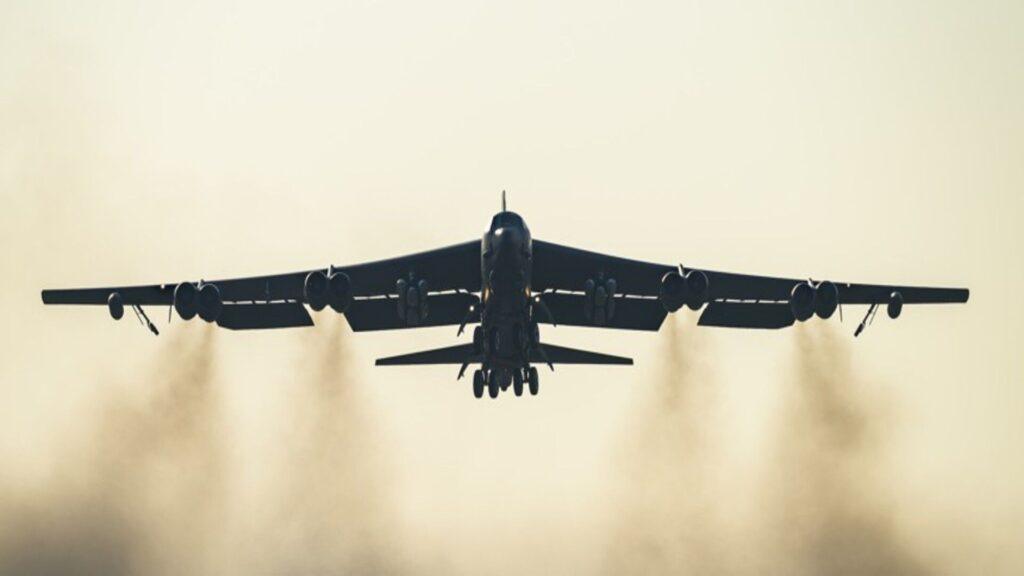
- B-52 bombers receive gigabit weapons links via advanced fiber optic pylons
- US Air Force plans 130 modern pylons for aging strategic bomber fleet
- New pylons enable heavier weapons on upgraded B-52 aircraft for decades
The US Air Force is moving forward with another major modernization effort for its fleet of 75 B-52H bombers, focusing on replacing gun pylons originally designed in the late 1950s.
The proposed Advanced Wing Weapons Pylon introduces support for much heavier weapons while providing modern digital connectivity through the MIL-STD-1760E interface.
Those interface requirements include gigabit data transfer capability and fiber optic connections that allow advanced weapons to exchange significantly greater volumes of information with aircraft systems.

New pylons prepare decades-old bombers for future weapons
According to an Air Force trade advisory, the replacement pylon must carry conventional or nuclear weapons weighing up to 20,000 pounds, while the wing’s hardpoint remains limited to 28,000 pounds.
This development effort will require about 36 months before reaching a critical design review, although industry feedback will determine whether that timeline remains achievable.
The service expects an initial production requirement of between 20 and 24 pylons, with at least 12 arriving during the first year of production before expanding to approximately 130 units.
The acquisition replaces the Improved Common Pylon, introduced during the 1960s after its original design work began in 1959 for considerably lighter weapons.
Air Force documents explained that previous engineers never anticipated external weapons exceeding 5,000 pounds, leaving current equipment facing structural problems under modern operational requirements.
Officials said the replacement effort will identify suppliers capable of delivering accelerated pylon designs while also modifying existing carrying equipment for newer, substantially heavier munitions.
The standardized electrical interface also allows modern avionics to exchange complex guidance, mission and release information with sophisticated precision weapons over high-speed digital links.
Upgrade supports broader B-52J modernization effort
The pylon replacement is part of a broader conversion that converts the current B-52H fleet to B-52Js through new engines, modern radars, updated avionics and expanded weapons integration capabilities.
The Air Force requested $30 million during fiscal year 2027 for research and development to support the new pylons, along with another $50 million to integrate newer variants of the AGM-158 joint air-to-surface standoff missile.
Budget documents describe the Forward Wing Weapons Pylon as “the key that unlocks all future heavy weapons capabilities for the B-52,” reflecting its importance within broader modernization plans.
The upgraded equipment increases both the weapon’s weight capacity and the number of carriers, allowing each pylon to support eight JASSM missiles instead of six.
Separately, the Air Force requested $1 million during fiscal year 2027 to begin examining potential long-term successors to the B-52, even as modernization continues.
Those parallel efforts illustrate how military planners intend to extend the bomber’s operational usefulness to nearly 100 years while also examining possible replacement options.
It remains uncertain whether each modernization target progresses according to current schedules, although ongoing investment shows continued confidence in extending the aircraft’s military relevance for decades.
Via Aviation Tech Today
Follow TechRadar on Google News and add us as a preferred source to receive news, reviews and opinions from our experts in your feeds. Be sure to click the Follow button!
And of course you can also follow TechRadar on TikTok for news, reviews, unboxings in video form and receive regular updates from us on WhatsApp also.


