
The threat of quantum computing has some of Bitcoin’s most vocal developers landing in wildly different places.
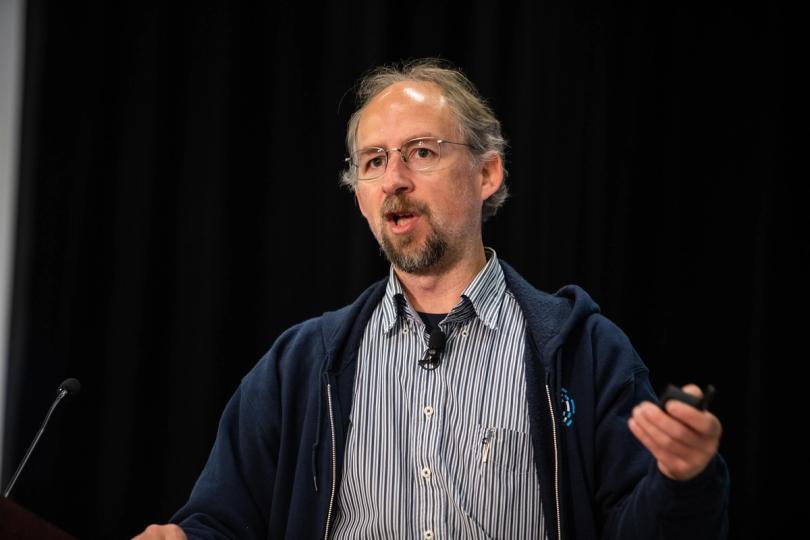
Blockstream CEO Adam Back told attendees at Paris Blockchain Week on Wednesday that Bitcoin developers should start building optional quantum-resistant upgrades now, even though current quantum computers remain “essentially lab experiments” with progress that has been “incremental” over the 25 years the field has followed.
“Preparation is key. Making changes in a controlled way is much safer than reacting to a crisis,” said the Blockstream CEO.
He pointed to his company’s work testing quantum-resistant transaction signatures on Liquid, a sister network to Bitcoin. He argued that a 2021 Bitcoin update called Taproot was designed flexibly enough to accept new signing methods without disrupting anyone currently using the network.
The comments echo Back’s position from last week, when he told CoinDesk that users should have about a decade to migrate their keys to quantum-resistant formats.
What is different now is the context around them. BIP-361, the proposal from Jameson Lopp and five other developers published Tuesday, would phase out vulnerable quantum addresses over a fixed five-year schedule and freeze any coins that cannot migrate.
That includes roughly 1 million bitcoins attributed to pseudonymous Bitcoin creator Satoshi Nakamoto, and an estimated 5.6 million coins, according to Loppsay, haven’t moved in more than a decade.
Back’s framing reads as the implicit alternative to the forced migration of BIP-361. He did not directly mention Lopp’s proposal, but addressed the underlying question of whether the Bitcoin developer community can respond quickly to a sudden quantum advance.
“Bugs have been identified and fixed within hours. When something becomes urgent, it focuses attention and drives consensus,” he said, suggesting that Bitcoin’s rough consensus governance could handle an emergency without pre-scheduled freezes years in advance.
The two positions represent the central disagreement shaping the Bitcoin quantum debate.
Back is betting that developers can coordinate quickly if the threat accelerates. Lopp is betting they can’t since a scheduled freeze is the only way to avoid a disorderly migration under pressure.
Researchers at Google and Caltech said last month that functional quantum computers capable of breaking Bitcoin’s cryptography could arrive sooner than previously estimated, which is what turned the debate from theoretical to active.


