
Bolivia is considering adding Tether’s USDT stablecoin to its national payments system, marking another step in the country’s shift from banning crypto transactions to allowing regulated use of digital assets.
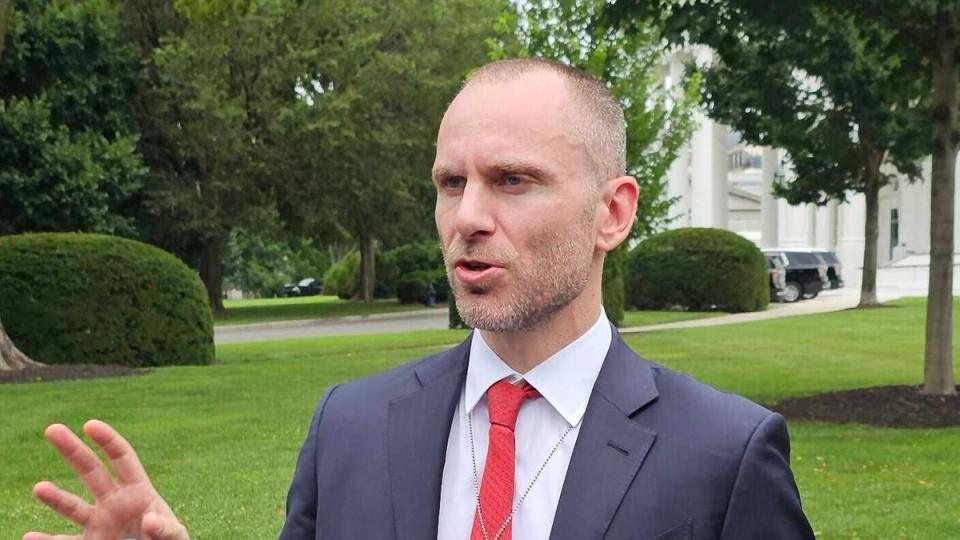
Economy Minister José Gabriel Espinoza said at a press conference on Monday that the government is evaluating whether USDT could circulate alongside the Bolivian, the country’s fiat currency, and the US dollar.
The proposal is still under technical review and the government has not published implementing rules or granted legal tender status to the stablecoin, local news outlet La Razón reported.
According to Espinoza, officials are developing a framework for banks, digital wallets and payment providers. Any implementation would require stronger anti-money laundering controls, as Bolivia remains on the Financial Action Task Force’s gray list, which subjects the country to increased monitoring for shortcomings in its financial crimes regime.
The proposal comes amid a sharp rise in cryptocurrency adoption after Bolivia’s central bank lifted restrictions on transactions in June 2024. Data from the central bank shows that cryptocurrency transaction volume increased from $46.5 million in the first half of 2024 to $294 million during the same period last year. Total transaction volume increased by 630% after restrictions were removed, the central bank said.


