NEWNow you can listen to Pak Gazette articles!
In a historic moment for the Senate Commerce Committee, the College Sports Protection Act now moves to a full vote that has already begun lobbying.
As the leaders of all college sports watched from afar, the Sens. Ted Cruz (R-Texas) and Maria Cantwell (D-Wash.) appeared in court during a review session Thursday that ultimately took aim at those within the SEC and Big Ten conferences who have opposed the bill in its current form.
“What we did today was say we’re not going to allow the most powerful and richest conferences to dictate to the rest of America what’s going to happen to 500,000 athletes,” Cantwell said after the 19-9 vote was reached.
CRUZ AND CANTWELL REFUSE TO COMPLY WITH SEC AND BIG TEN CONCERNS IN REVISED COLLEGE ATHLETIC LEGISLATION
There have been numerous leagues that have supported the bill, while those representing athletes have opposed it.
But gaining support from those within the Big Ten and the presence of the SEC is clearly not an aspect of this process that worries both Cantwell and Cruz.
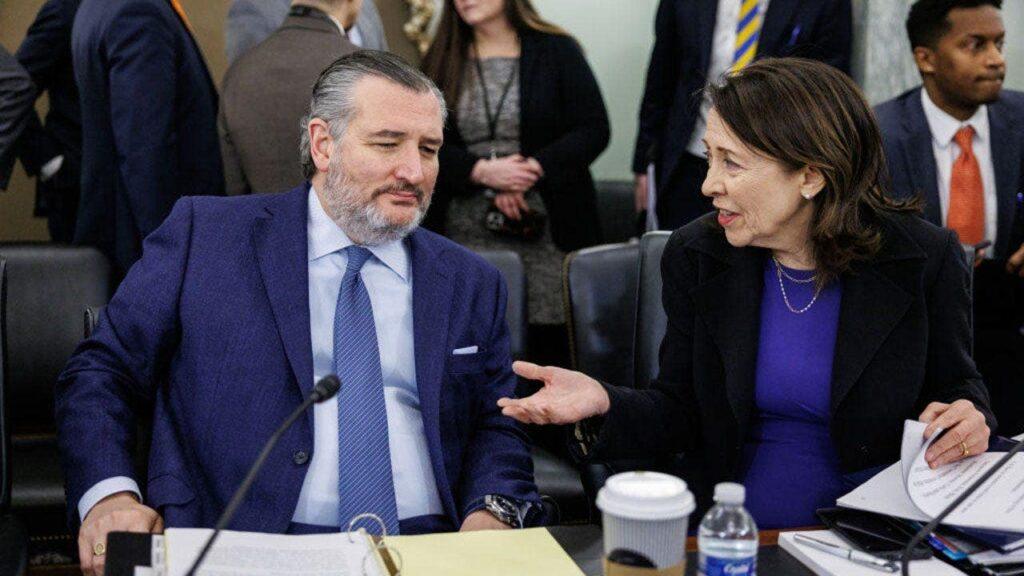
Senator Ted Cruz, Republican of Texas and chairman of the Senate Committee on Commerce, Science and Transportation, and Senator Maria Cantwell, Democrat of Washington and ranking member of the committee, attend a hearing in Washington, DC, on April 2, 2025. Kelly Ortberg, CEO of Boeing, is scheduled to testify about the company’s quality standards and cultural review. (Al Drago/Bloomberg via Getty Images)
Let the lobby continue, while the opposition remains firm
On Thursday morning, the SEC and the Big Ten released a joint statement on the legislation, making clear that they did not agree to support it.
“From the beginning, we identified a set of essential revisions to the PCSA necessary for the long-term sustainability of collegiate athletics,” both conferences noted. “We have worked with both majority and minority staff to advance those revisions, which focus on better supporting student-athletes and stabilizing the collegiate sports environment. We continue to believe that revisions are needed to ensure our support for the bill.
“Despite our sustained commitment and good faith efforts, these critical reviews have not been accepted. We are encouraged that several members of the Commerce Committee share our concerns and support these recommendations.”
TED CRUZ AND MARIA CANTWELL INTRODUCE BIPARTISAN COLLEGE ATHLETICS BILL AMID NIL CHAOS, LAWSUITS AND ‘LANE KIFFIN RULE’
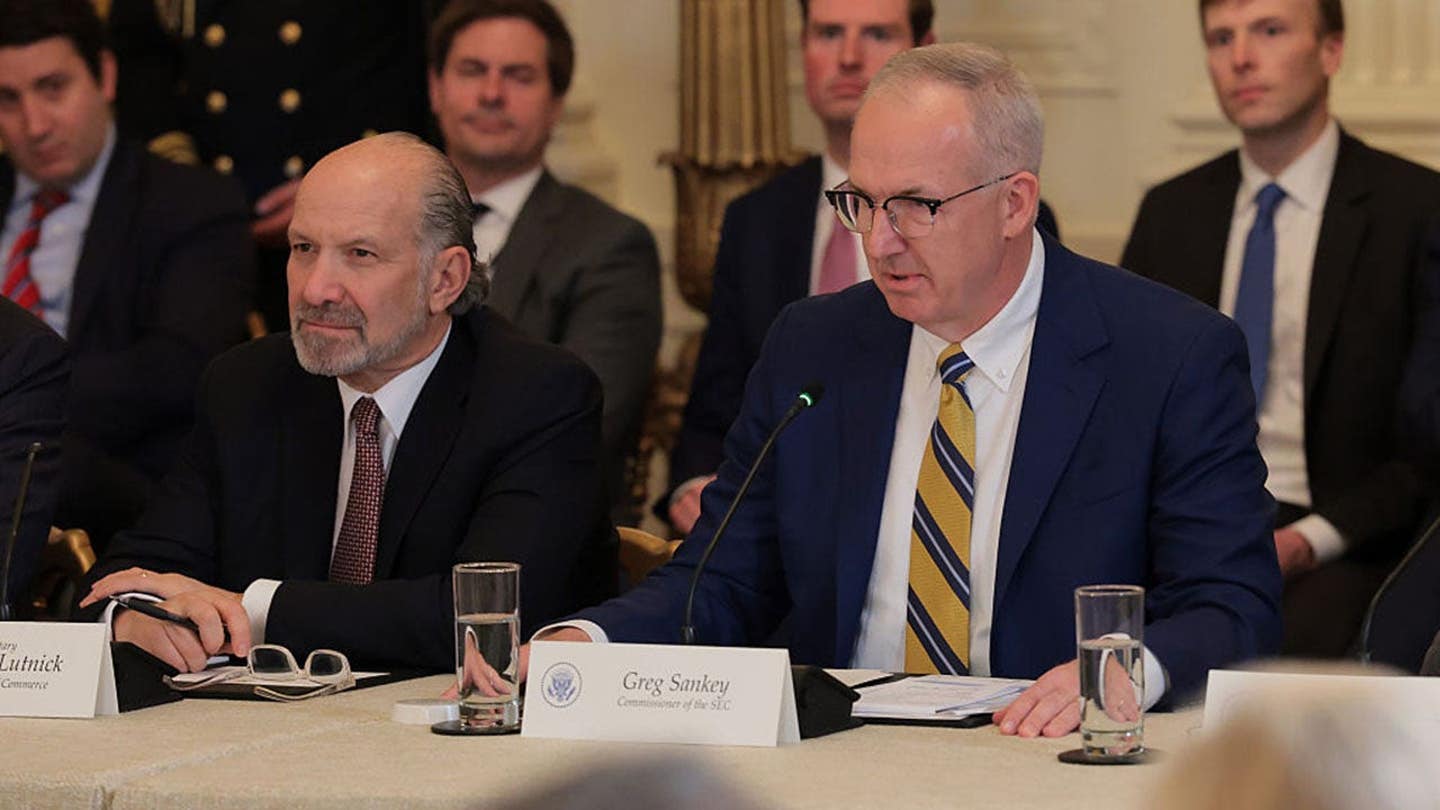
SEC Commissioner Greg Sankey speaks during a roundtable discussion on college sports in the East Room of the White House on March 6, 2026, as Commerce Secretary Howard Lutnick looks on. The Trump administration hosted the event titled “Save College Sports” with leaders from Power Four conferences, media executives and former coaches. (Anna Moneymaker/Getty Images)
For the first time, a college sports bill has passed a committee vote that will now send it to the floor for possible historic approval.
“Nobody got everything they wanted. But we created a framework that stabilizes college athletics,” Cruz said Thursday.
As for the SEC and Big Ten’s opposition to the bill, this boils down to a number of different issues, including the “voluntary” pooling of media rights. Furthermore, the legislation targets both to potentially form a ‘Super League’. But, in a concession Wednesday night, that changed.
IOWA STATE AD SAYS IT DOESN’T CARE IF THE SEC AND THE BIG TEN LEAVE OTHER CONFERENCES BEHIND P4: ‘LET THEM SEPARATE’
The anti-expansion provision in the bill now includes the Big 12 and the ACC, and senators changed language that now includes conferences that generate $700 million in revenue by not being able to join forces like the Avengers. This was a decrease from the $1 billion proposed earlier in the legislation.
There will still be opposition from the two largest conferences in college athletics, but Senator Cantwell made clear Thursday that they will not be deterred from moving forward even if the SEC and the Big Ten object.
What’s next for the College Sports Protection Act? A Senate vote
Will this finally work? Potentially, but there will be a lot of lobbying over the next month that could ultimately change the trajectory of this legislation. There are many issues left to discuss.
But there were also a number of changes in the new legislation which was reviewed this week.
Olympic and women’s sports were separated from the media rights pooling provision, which now remains isolated. This would establish a minimum limit on scholarships and staff size, which is not linked to the income generated by television agreements.
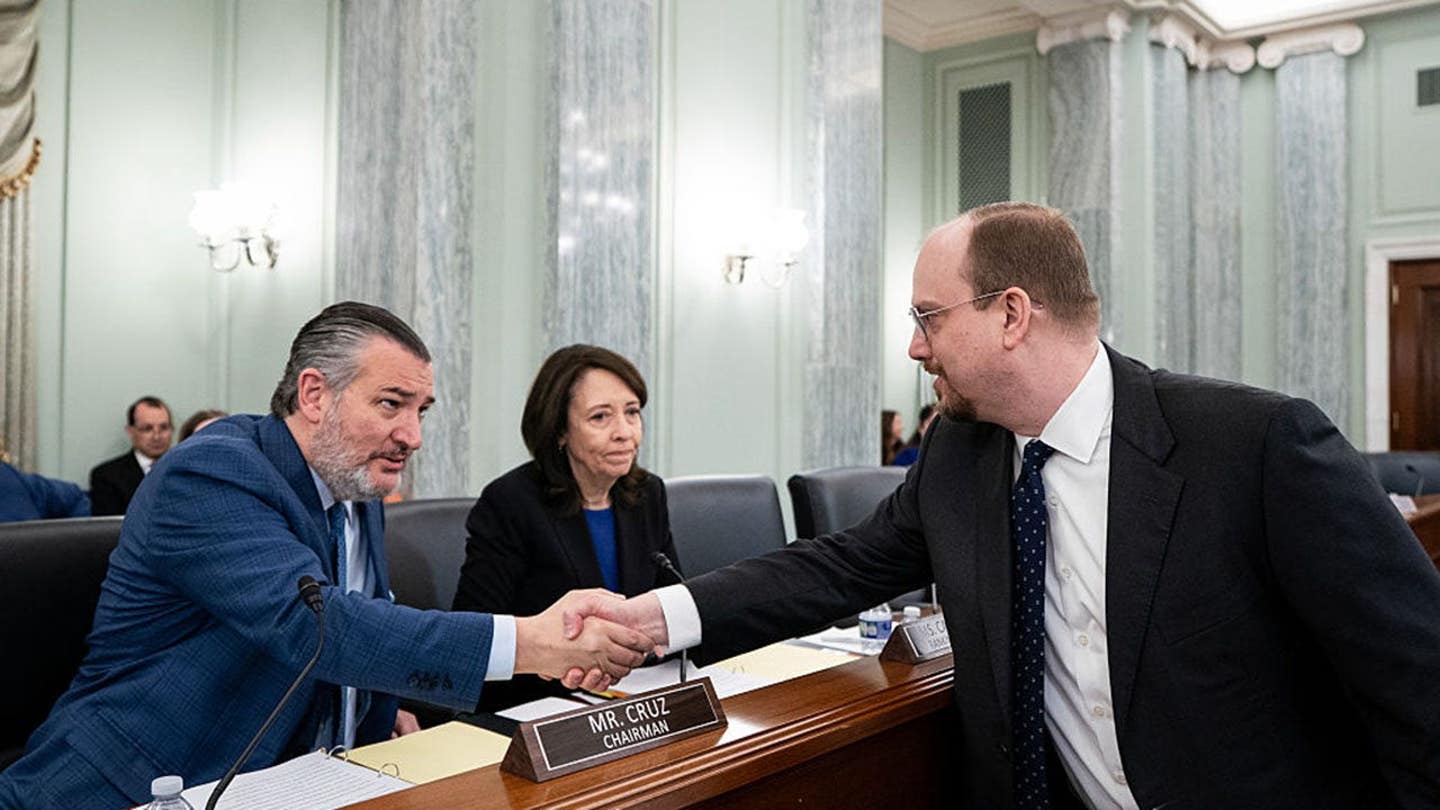
Federal Trade Commission Commissioner Mark Meador greets Sen. Ted Cruz, R-Texas, chairman of the Senate Commerce, Science and Transportation Committee, and Sen. Maria Cantwell, D-Wash., ranking member of the committee, during a hearing titled “Oversight of the Federal Trade Commission” in Washington, DC, on April 15, 2026. (Al Drago/Bloomberg)
Prior to its review, these necessary protections would only be enacted if media rights were truly bundled.
As we have noted numerous times over the past few weeks, this bill will face rejection on multiple fronts. There is language in the legislation that limits player compensation and the ability to make transfers.
With that in mind, opponents of the bill are already preparing lawmakers for an increase in lawsuits that would occur if it attempts to put a specific barrier on player movement.
Additionally, there has been opposition from many unions who oppose collective bargaining for student-athletes.
Either way, Thursday’s vote was historic in the current era of college athletics. For years, the House tried to advance the SCORE Act, but failed several times and the legislation ultimately failed to make it to the vote.
Now, with the Senate Commerce Committee opening the opportunity for the College Sports Protection Act to be voted on on the Senate floor, this college athletics bill has essentially passed the milestone.
CLICK HERE TO DOWNLOAD THE Pak Gazette APP
But, with 50 days left until Congress goes into summer recess, the clock is ticking for Senate Majority Leader John Thune to bring this to the floor for a vote. Can Cruz and Cantwell get enough support to get this passed?
Ultimately, this is just one part of this process, while the House waits.