
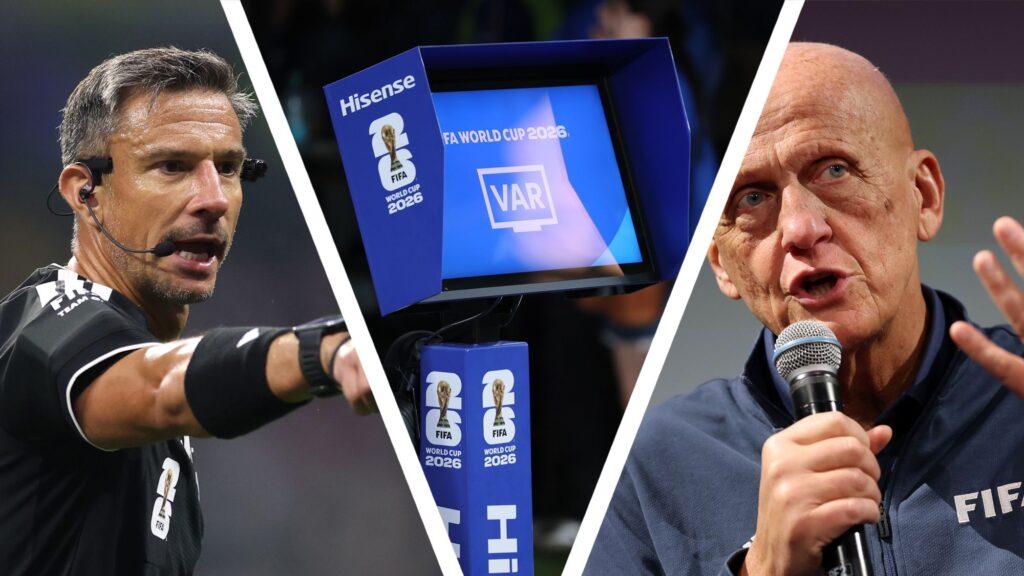
Pierluigi Collina retired more than 20 years ago, but he remains the only match referee that most people on the planet could tell from a lineup.
These days, the president of FIFA’s referee committee is leading the biggest sporting event ever organized, and when I met him at FIFA headquarters in Miami, home of the Technology Command Center that serves as the tournament’s nerve center, the famous look was replaced by a smile.
The eve of the World Cup final between Spain and Argentina is a good time to remember the technology of this year’s tournament. For many fans, this has been the most controversial World Cup in refereeing history; quite a claim given that previous tournaments had the ‘Hand of God’, David Beckham’s red card against Argentina in 1998 and Frank Lampard’s ‘ghost goal’ against Germany in 2010.

So what does the ‘best referee in the world’ (an award Collina won six consecutive times) really think about VAR? Are there some things that technology just can’t solve?
After further review…
Unfortunately, humans don’t trust humans. They always think something is wrong.
Pierluigi Collina, FIFA refereeing director
The incorporation of new technology, improved cameras and connected Lenovo devices in this tournament has been crucial, because when an incident breaks out at this World Cup, the first person to demand an explanation is usually FIFA president Gianni Infantino himself.
“Normally he says, ‘What was that?’ I need to answer him and I have to tell him,” says Collina, who has divided his time between watching the matches live or following the action in a control room at the FIFA base in Miami.
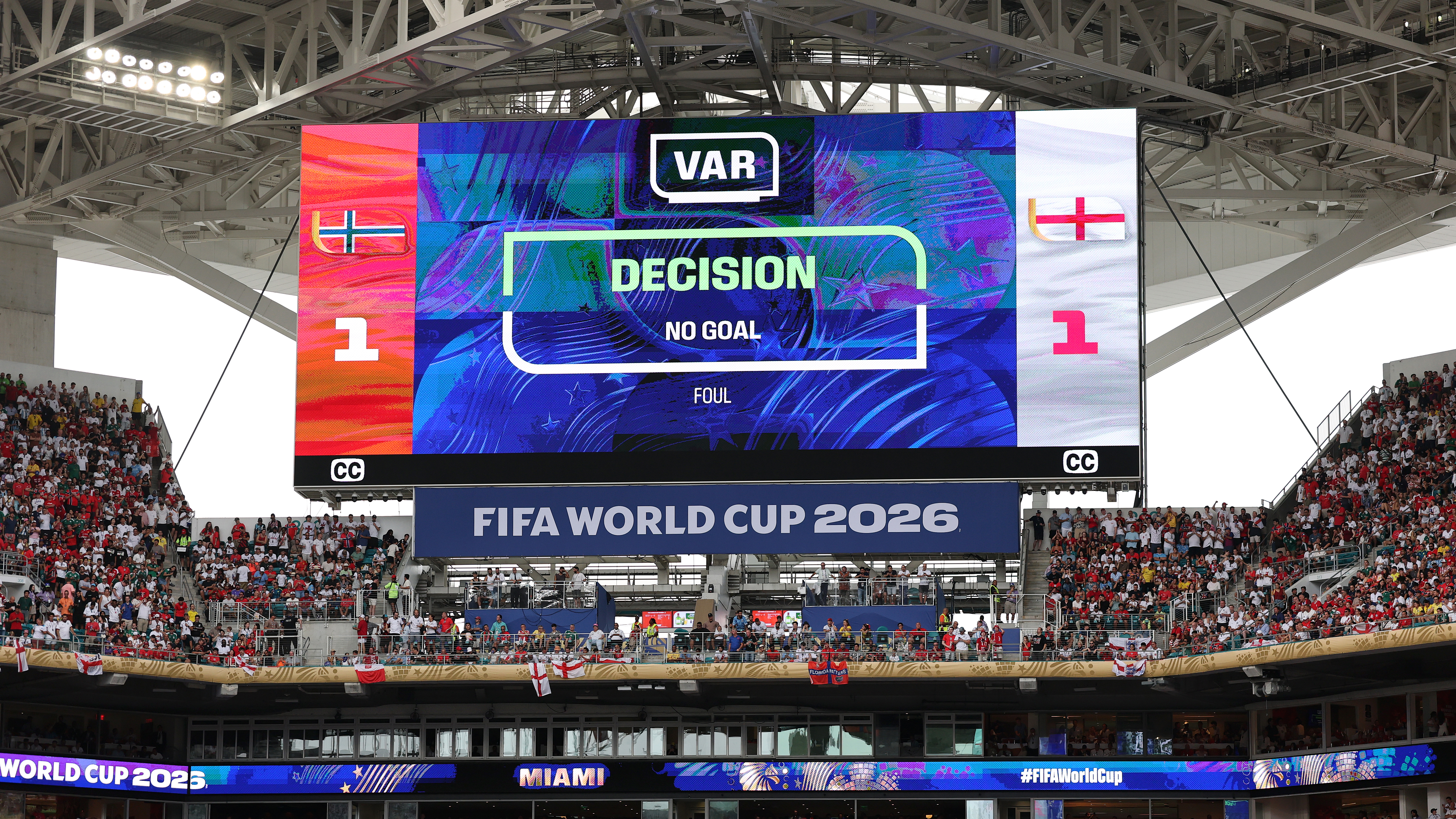
“There are many connected televisions that listen to everyone,” says Collina, describing the display of images to inform Infantino of the moment. In Qatar four years ago, the two watched all 64 games together and changed stadiums at halftime. A tournament spread across three major countries has put an end to that this time.
The claim that VAR kills the joy of a goal receives little attention. “The player reacts immediately and celebrates the goal. And then there is a moment of suspense, because there is a control. The goal is controlled. And at the end, when the goal is confirmed, there is a second celebration. Basically, the emotion is doubled, not reduced.”
“I always prefer a correct decision, even if it is a little delayed, than something that will be discussed for weeks, months, years,” he says, noting that “someone is still arguing about the goal or no goal scored in the 1966 World Cup final in England.”
Raising the VAR
I always prefer a correct decision, even if it is a little delayed, than something that will be discussed for weeks, months, years.
Pierluigi Collina, FIFA refereeing director
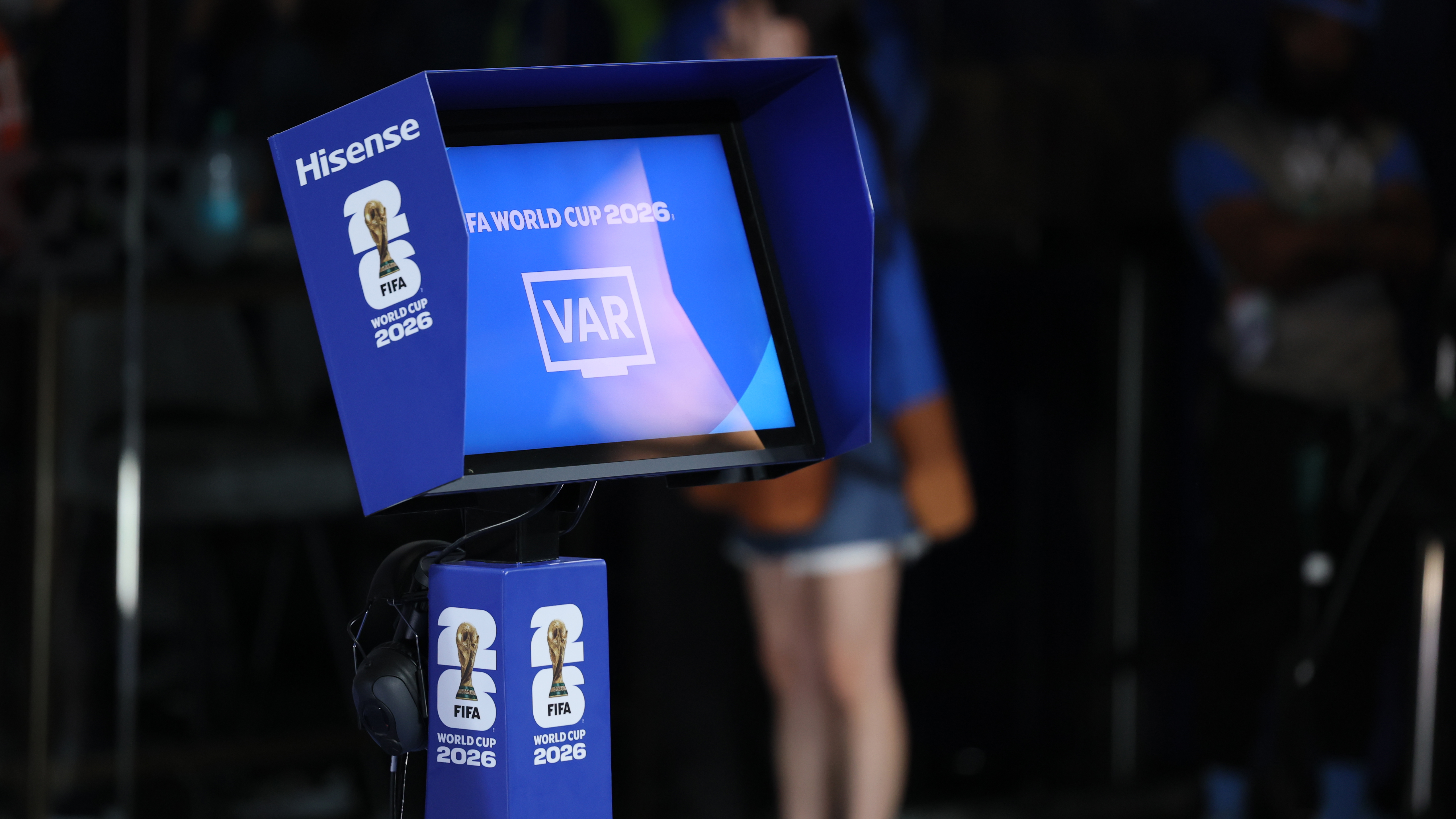
“The only one who didn’t have that opportunity was the one who had to make the decision,” he says of the pre-VAR era, when everyone in the stadium could review an incident on a device except the person ruling on it.
“At that time there were two possibilities. One, to make the football game a kind of protected area, in an Amish community like in Pennsylvania, where they still go without technology, nothing. Which was not an option, of course. The other possibility was to give the same tools to whoever was on the field.”
Goal-line technology led the way in the 2014 tournament in Brazil, “because it is impossible for a human being to detect whether the ball passes the line or not.” Fans praised goal-line decisions but were infuriated by equally precise offside decisions. The problem, Collina concluded, was that a human was drawing the lines.
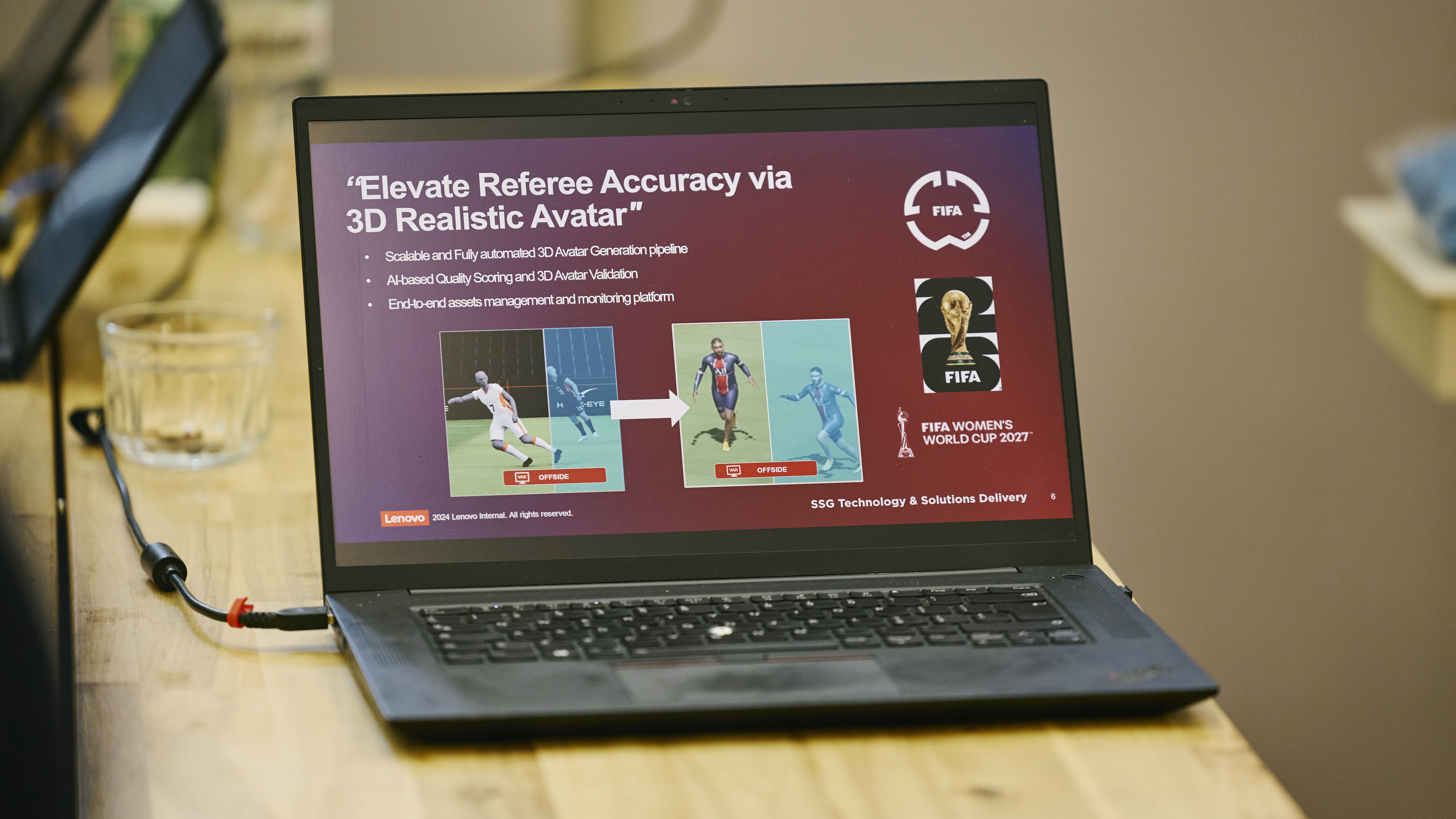
“Unfortunately, humans don’t trust humans. They always think something is wrong. That’s why FIFA started working on a system that would be more automated,” he says. Semi-automated offside followed, whose clinical lines evolved into a 3D wall of recognizable player avatars, because a decision about a player that fans recognize “is even more reliable.”
You have 20 seconds to complete
When the goal is confirmed, there is a second celebration. Basically, the excitement is doubled; it is not reduced.
Pierluigi Collina, FIFA refereeing director
Those avatars are the work of Lenovo, FIFA’s official technology partner, which laser scanned more than 1,200 players, while the VAR itself is managed by Hawk-Eye Innovations on Lenovo ThinkStation workstations.
Lenovo AI also powers Referee View, the stabilized body camera feed that places viewers inside the referee’s race, adapted from Formula 1 to reduce camera shake by up to 60 percent.
Collina defended his position on ergonomics. “When you’re on the field and you have to run 90 minutes, every ounce matters,” he says.
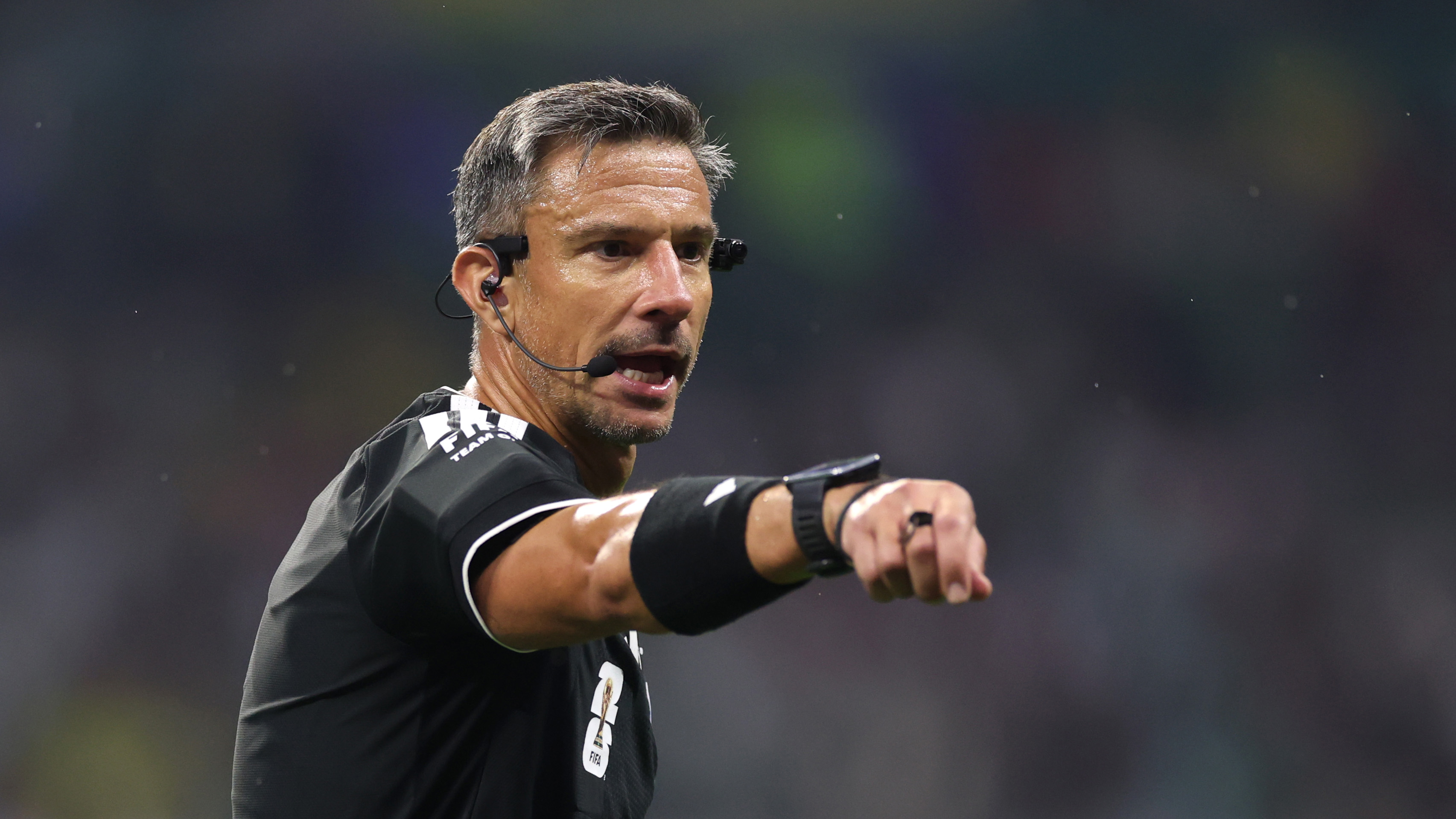
The current head-mounted version “makes referees look like Robocop,” but outperforms the chest-rig alternative. “The referee would have worn a vest. 35 degrees in New Jersey with a vest, an extra vest would have been a problem.”
The limits of technology
The misconception is that we have the technology and we can provide an answer to everything.
Pierluigi Collina, FIFA refereeing director
In 2002, Collina prepared for the World Cup final by playing a VHS tape “back and forth for basically a day.” Its analysts now prepare referees with Football AI Pro, the AI built by Lenovo and FIFA that processes more than 2,000 metrics per match for all 48 teams. “I’m a user, so I’m the one who’s surprised. It works great.”
There are some things AI can’t solve, after Collina defended the Brazilian official mocked for his English-language announcement in the tournament’s opening match. His own pre-match advice is more direct: “I was talking this morning to the referee who will officiate Brazil-Norway. He’s American and, ironically, I told him: if you have to make an announcement, please speak English, not Texan.”
Collina admits that technology still has its limits. “Football is a contact sport and there is no technology that can evaluate something like pushing, pulling, etc. The misconception is that we have the technology and we can give an answer to everything.” Those judgments are still human.

Follow TechRadar on Google News and add us as a preferred source to receive news, reviews and opinions from our experts in your feeds.


