
Work on global standards for stablecoins has slowed over the past year, raising concerns among central bankers that gaps in oversight could divide markets and amplify risk.
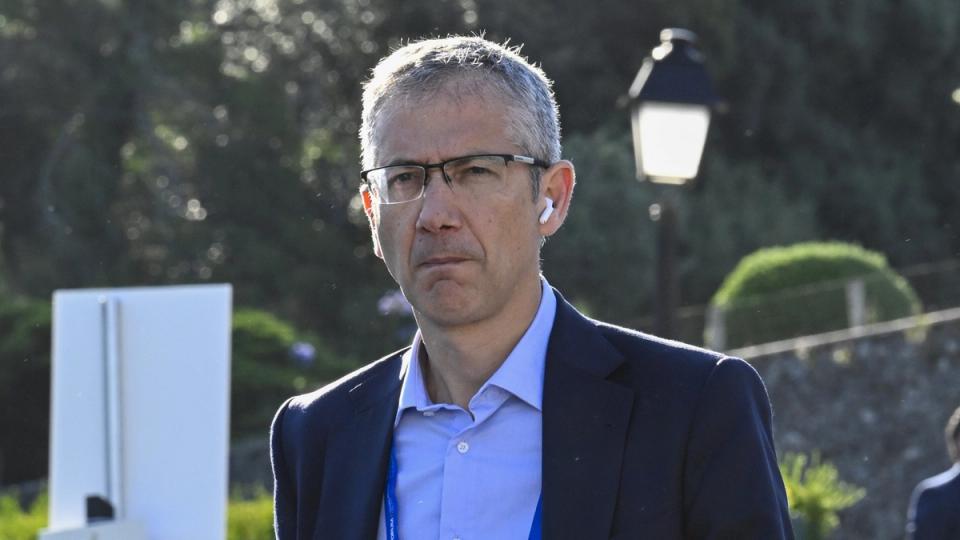
Bank of England Governor Andrew Bailey, who chairs the Financial Stability Board, said progress on international standards has stalled, Reuters reported last week. That is worrying, the general director of the Bank for International Settlements (BIS), Pablo Hernández de Cos, said on Monday in Japan.
Global coordination is critical to avoid a patchwork of rules that companies could exploit, de Cos said, according to Reuters. Without international alignment, companies can move their operations to jurisdictions with lighter supervision, a practice known as regulatory arbitrage.
The warning comes as major economies press ahead with their own frameworks, often on different timelines and with different approaches.
The stablecoin sector has expanded in recent years and now represents $320 billion, according to DeFiLlama. Tether’s USDT and Circle Internet’s USDC (CRCL) account for most of that figure. De Cos said its structure may be more like securities than cash, noting that redemption frictions can push prices away from their intended value of $1.
He also said sudden withdrawals could affect markets. Proposals to reduce risk include capping interest payments on stablecoins and giving issuers access to central bank lending facilities or deposit insurance-type arrangements.
Policymakers argue that such measures could make the sector more secure while preserving its role in digital payments.
In the United States, lawmakers are working to promote the Digital Asset Market Clarity Act, which would establish federal rules for digital asset markets.
The bill passed the House last year and is now before the Senate, where Banking Committee Chairman Tim Scott and Agriculture Committee Chairman John Boozman are leading the push. Senators Thom Tillis and Angela Alsobrooks have negotiated a compromise on stablecoin performance that could clear the way for a margin, while Senator Cynthia Lummis, who chairs the Banking Committee’s digital assets subcommittee, has said a hearing could take place in the second half of April.
A deal remains dependent on the resolution of several open issues, including DeFi ethics and oversight provisions.


