
Under the proposed system, a Judge Evaluation Committee will review judges’ performance at the end of each year.
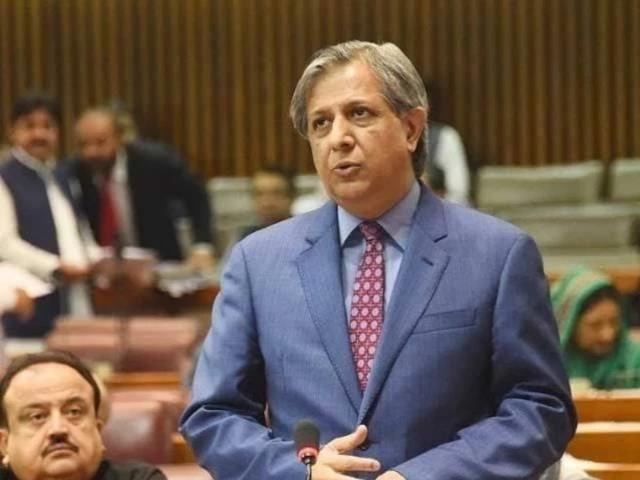
On judicial reforms, Tarar said a seven-member committee had been constituted to ensure transparency. PHOTO: ET
Law Minister Azam Nazeer Tarar on Saturday said the government was committed to improving legal education, strengthening professional training of lawyers and ensuring effective administration of justice.
Addressing the inauguration of the Bar Education Academy at the Punjab Bar Council and a certificate awarding ceremony for successful participants of the Bar Vocational Course, the minister said work was underway to introduce a comprehensive health insurance policy for lawyers and their families. He said the federal and Punjab governments were providing full support to the welfare of the legal fraternity.
Tarar said lawyers would receive treatment for cancer, kidney, liver and heart diseases in public and private hospitals under the proposed health plan. He added that the Punjab government had released Rs 1.35 billion in grants for bar colleges and announced an additional Rs 20 million for the lawyers’ vocational course.
The minister said that the establishment of Directorate of Legal Education in the Pakistan Bar Council was an important reform aimed at modernizing legal education. He termed the legal profession as a sacred responsibility and urged lawyers to strengthen their institutions and resolve disputes through institutional forums.
On judicial reforms, Tarar said a seven-member committee had been constituted to ensure transparency and merit in the appointment of high court judges. The committee would interview the candidates and present its recommendations to the Judiciary Commission.
Questioning why high court judges should not undergo interviews when civil judges and additional sessions judges were required to pass exams, the minister said judicial appointments should be strictly based on merit. He added that the government was introducing, for the first time, a constitutional mechanism for the annual evaluation of the performance of judges through a Judges Evaluation Committee.
Under the proposed system, a Judge Evaluation Committee would review judges’ performance at the end of each year. If a judge’s performance is deemed unsatisfactory, the committee can send a referral to the Judicial Commission and recommend his or her dismissal, he added.
Read more: CJ forms panels for judicial appointments
Commenting on the constitutional reforms, Tarar said the 28th Constitutional Amendment would not be rushed in. He said that whenever the amendment was introduced, it would only be after wide consultation. He noted that the legal fraternity, including the Supreme Court Bar Association and other bar councils, had supported the 26th and 27th Constitutional Amendments.
Punjab Bar Council Executive Committee Chairman Fakhar Hayat Awan said the vocational course for lawyers had been mandatory since 2018 and announced that the Punjab Bar Council would no longer issue licenses without verification of law degrees by the Higher Education Commission (HEC).
He also announced that the Bar Charity Fund had been increased from Rs 300,000 to Rs 600,000, promising that the rights and welfare of lawyers would not be compromised.
Earlier, the Minister of Justice inaugurated the Lawyers Training Academy and subsequently distributed certificates among the successful participants of the Lawyers Professional Course.
The ceremony was attended by Judicial Commission member Ahsan Bhoon, Pakistan Bar Council vice-president Pir Muhammad Masood Chishti, Punjab Bar Council vice-president Khawaja Qaiser Butt, senior officials of Pakistan and Punjab Bar Councils and a large number of lawyers.


