
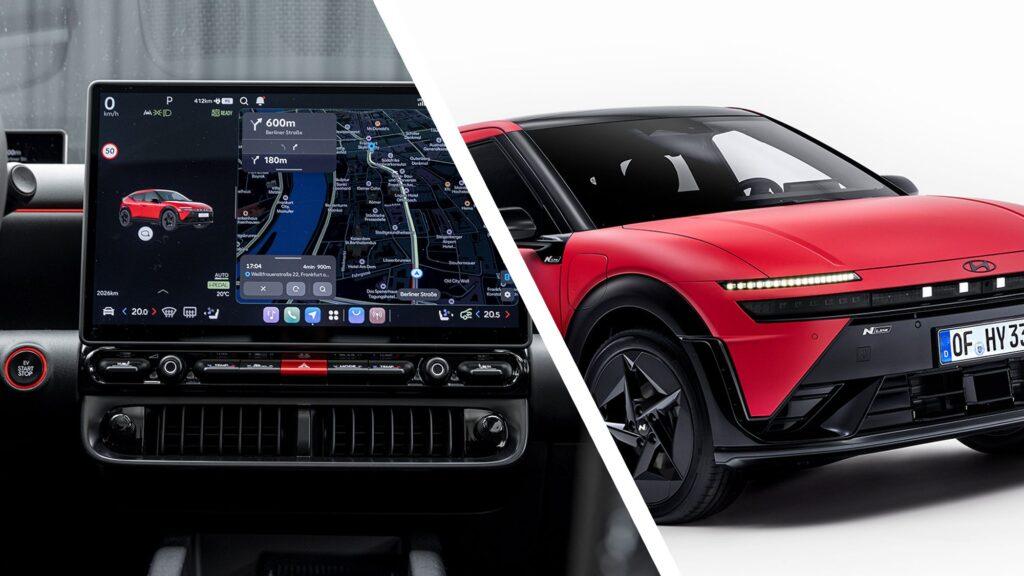
- Hyundai has presented the Ioniq 3, a compact electric vehicle with ‘Aero Hatch’ design
- You can expect over 300 miles on a single charge
- It is the first car to run Hyundai’s new Android-based infotainment system.
Hyundai chose the glamorous surroundings of Milan’s annual Design Week event to launch the fourth European car in its growing Ioniq range.
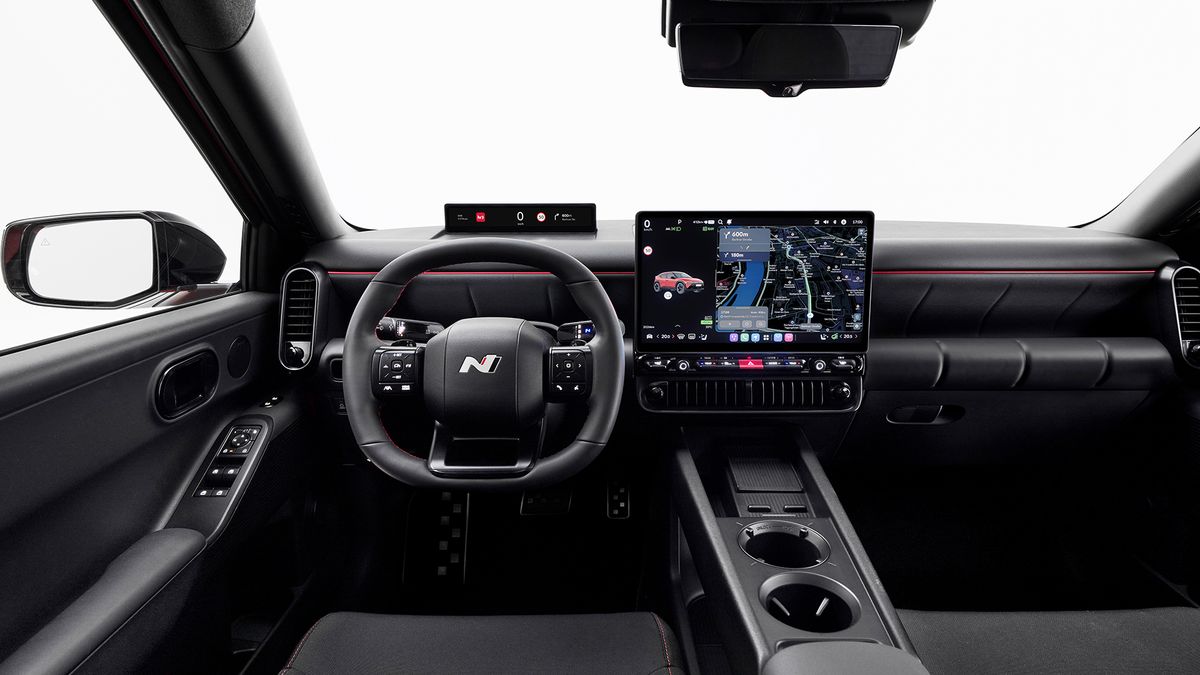
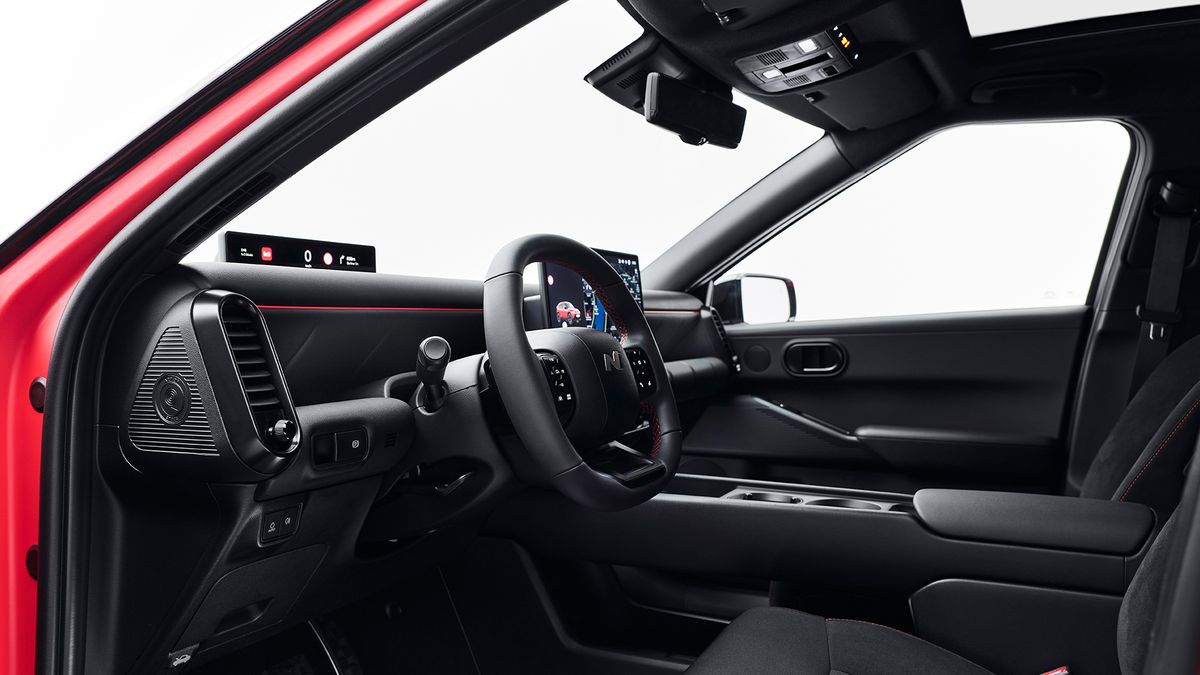
Joining the larger hatchback Ioniq 5, aerodynamically inspired Ioniq 6 and seven-seat Ioniq 9 SUV, the Ioniq 3 features an interior inspired by 1970s Italian furniture design, while exterior styling stays surprisingly close to the Concept 3 revealed last year.
It’s all rooted in the “Art of Steel” philosophy, which we first saw in the bold Initium hydrogen concept, with clean surfaces that take inspiration from steel-making processes…apparently.
Article continues below.
“Ioniq 3 will offer best-in-class aerodynamics, helping it achieve best-in-class range. It also offers class-leading boot space and a premium interior that truly belongs in the premium segment,” says Hyundai chief designer Eduardo Ramírez.
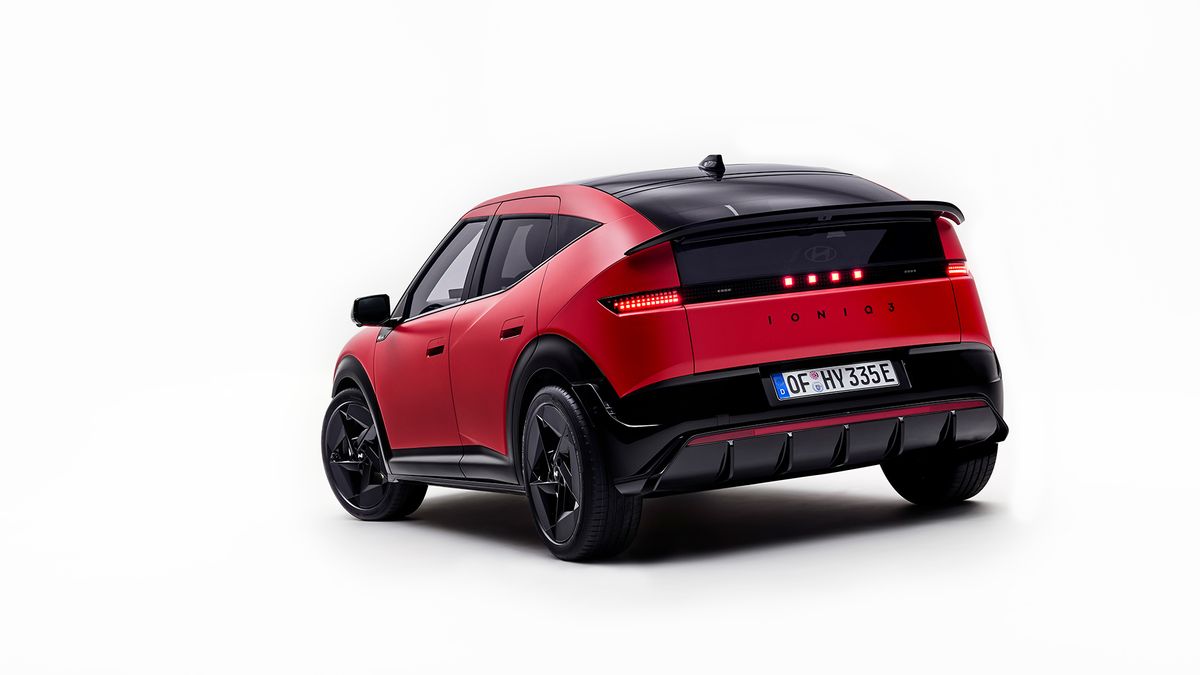
The compact, electric design of the Aero Hatch, as Hyundai calls it, is aimed at the European market, but aims to inject premium appeal into the segment.
Image 1 of 5
As a result, it will be available in two versions. A standard range variant features a 42.2 kWh battery that is capable of 344 km (214 miles) on a single charge, while a 61 kWh long range version offers 496 km (308 miles).
Both models use a single motor driving the front wheels, resulting in a 0-62 mph sprint time of nine seconds in the standard car and 9.6 seconds in the heavier, larger-battery Long Range edition.
Hyundai’s European CEO, Xavier Martinet, says this vehicle was designed to combine “segment-leading driving range and aerodynamics with extraordinary levels of space.”
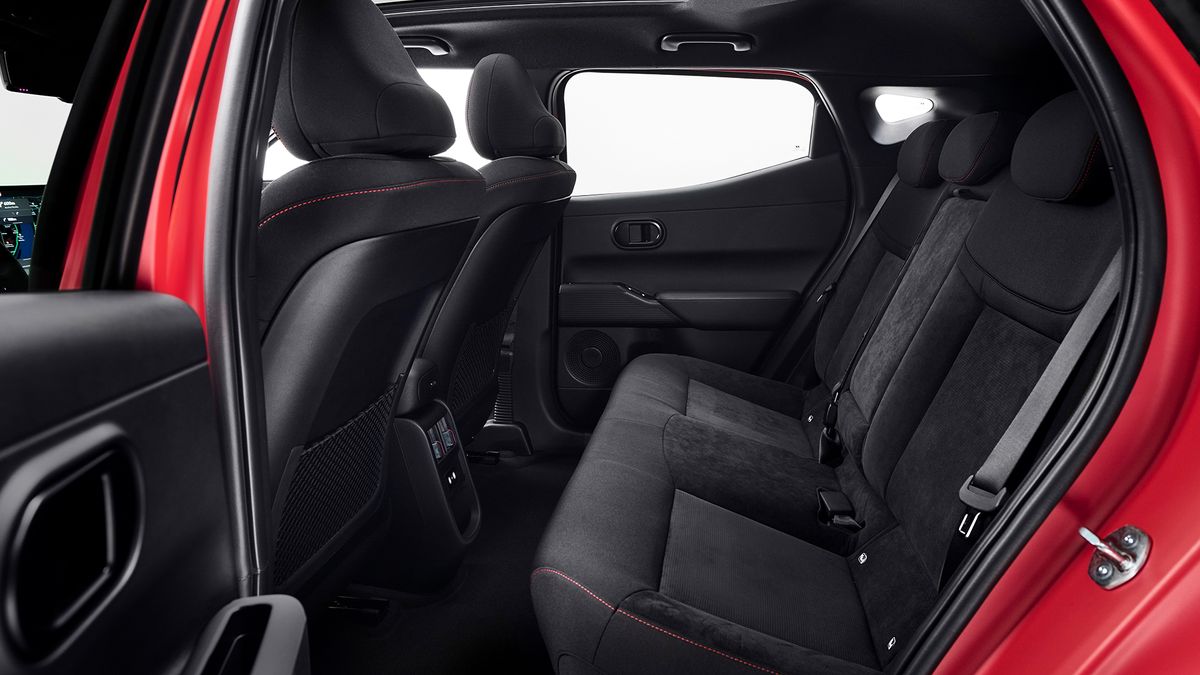
The spaciousness is impressive, as despite the relatively compact exterior dimensions, Hyundai designers have managed to offer a generous amount of head and legroom inside, while a large number of cubbies and storage areas increase the overall feeling of practicality.
Analysis: Android Automotive opens new doors
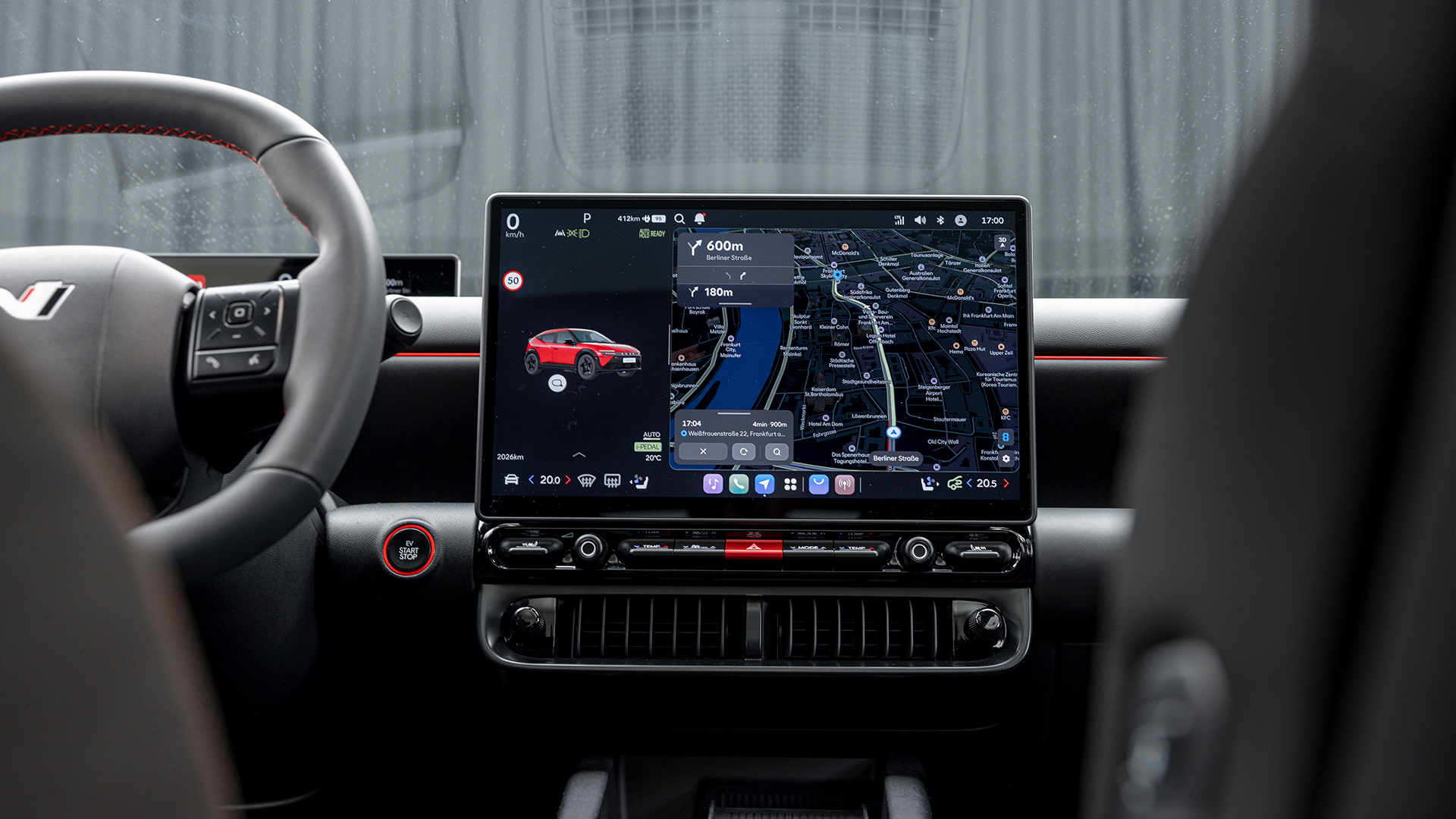
Perhaps the biggest news is that the Ioniq 3 will also be the first to feature Hyundai’s new Pleos Connect infotainment system, which uses the Android Automotive operating system for the first time.
This has allowed the company to create an intuitive trip planner that takes into account live public charging data, as well as the ability for owners to lock and unlock the car with a digital key, whether using a smartphone or smartwatch.
It also opens up the possibility of an app store, with the ability to download popular streaming, news and other entertainment apps directly to the unit for the first time.
Unlike some of the other models built on Hyundai Motor Group’s E-GMP platform, the Ioniq 3 features a 400V electrical architecture, as opposed to the 800V ultra-fast charging system found elsewhere in the Ioniq range.
However, the company claims that a DC fast charge from 10 to 80 percent takes 29 minutes under optimal conditions.
Despite all the adult talk, Hyundai insisted the Ioniq 3 still has a sense of fun, with the four dots on the pixel taillights marking the Morse code for the letter ‘H’.
There are also plenty of other ‘Easter Eggs’ to explore inside which, while not quite reaching Renault 5 levels of fun, are at least something to show off to friends when transporting them.
During the launch in Milan, Hyundai executives suggested that the vehicle will go on sale in Europe during September this year, priced at around €30,000, which is equivalent to around £26,000 in the UK or approximately $35,000 ($A50,000). Although there are still no plans to sell it in the United States.
Follow TechRadar on Google News and add us as a preferred source to receive news, reviews and opinions from our experts in your feeds. Be sure to click the Follow button!
And of course, you can also follow TechRadar on YouTube and tiktok for news, reviews, unboxings in video form and receive regular updates from us on WhatsApp also.


