
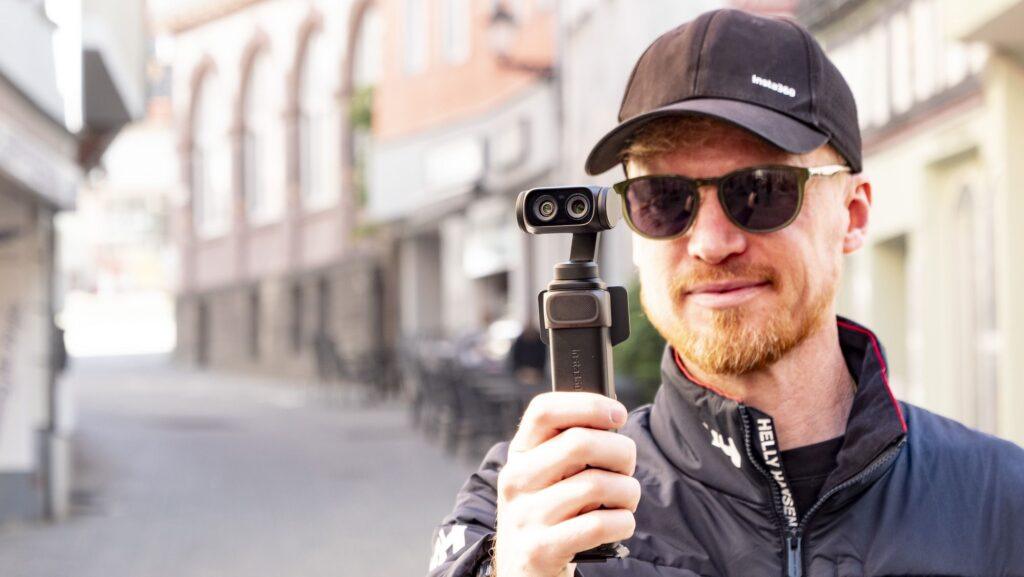
Insta360 might be the dominant force in 360 cameras, but the brand just stepped out of its lane in a major way and entered DJI territory with its first vlogging camera, the Luna.
Luna rivals DJI’s unique Pocket series of gimbal-stabilized 4K vlogging cameras. With no obvious competition, the DJI range has been selling in bulk for years. But with Insta360 adding its own unique features, could DJI finally see some proper competition?
I’ve been testing the Luna ahead of its official launch, and while I can’t yet share everything I know about the Luna, or any samples of material I’ve taken, there are a few details that can reveal. Firstly, the Luna comes in two varieties, the single-lens Luna Pro and the dual-lens Luna Ultra, which are clearly set to rival the recently announced or soon-to-be-released DJI Osmo Pocket 4 and Pocket 4P, respectively. Both versions of Luna are available in white or black colors and pricing is yet to be confirmed.

I’ve been using the dual-lens Ultra version, which, like the Pro version, features a 1x f/1.8 wide-angle main lens and a 1-inch sensor (it’s the largest sensor on an Insta360 yet and matches DJI), but also adds a 3x telephoto camera.
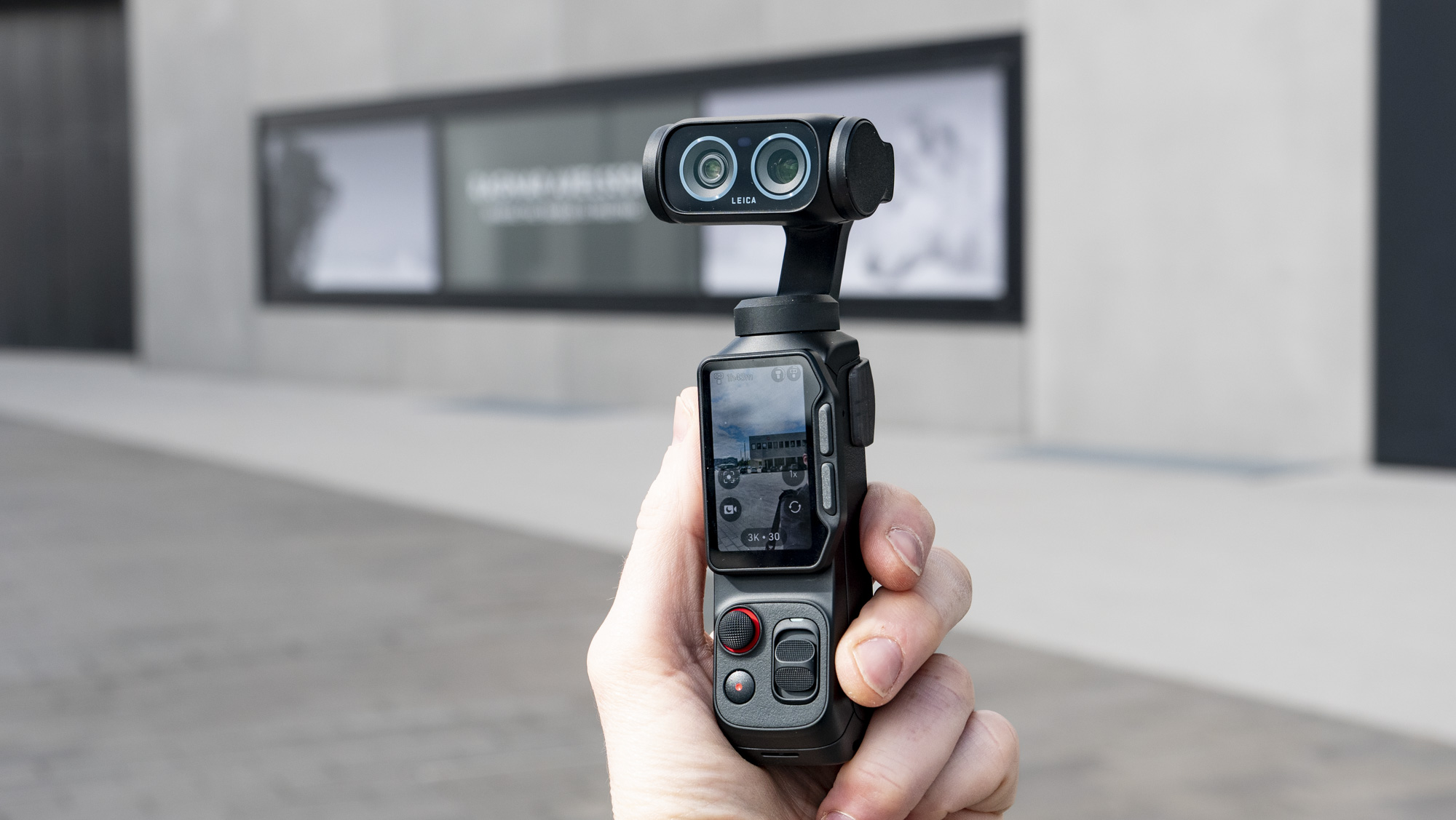
Users can log in with that telephoto camera to get 6x lossless zoom (meaning there should be no obvious degradation in image quality) and up to 12x with a digital zoom, a total of five zoom steps.
We don’t have concrete details on the DJI Osmo Pocket 4P yet, but from early previews it looks like DJI is taking the same dual-lens approach as the Luna Ultra, so the rivalry is about to get real. We’ll have to wait and see who comes first with the world’s first dual-lens vlogging camera.
Naturally, Luna cameras support 3-axis gimbal stabilization like Pocket cameras. In another first for Insta360, they offer 10-bit color depth and an I-Log color profile, again matching the DJI Pocket’s specs (although which has the best-looking footage is another question).
All of the above suggests that Insta360 is ready to go toe-to-toe with DJI, but that’s not even the most exciting part of Luna.
The feature DJI wishes it had
The Luna has a modular design party trick that DJI wishes it had: a multi-function removable display, and it’s brilliant. Simply press the buttons on either side of the screen to release it from the camera body, and then you can see what the camera is seeing remotely, complete with recording, zoom, and joystick controls.
This is where things get really clever: the Luna’s removable screen features a built-in microphone, so you can use it to view yourself remotely, compose the shot, and present to the camera.
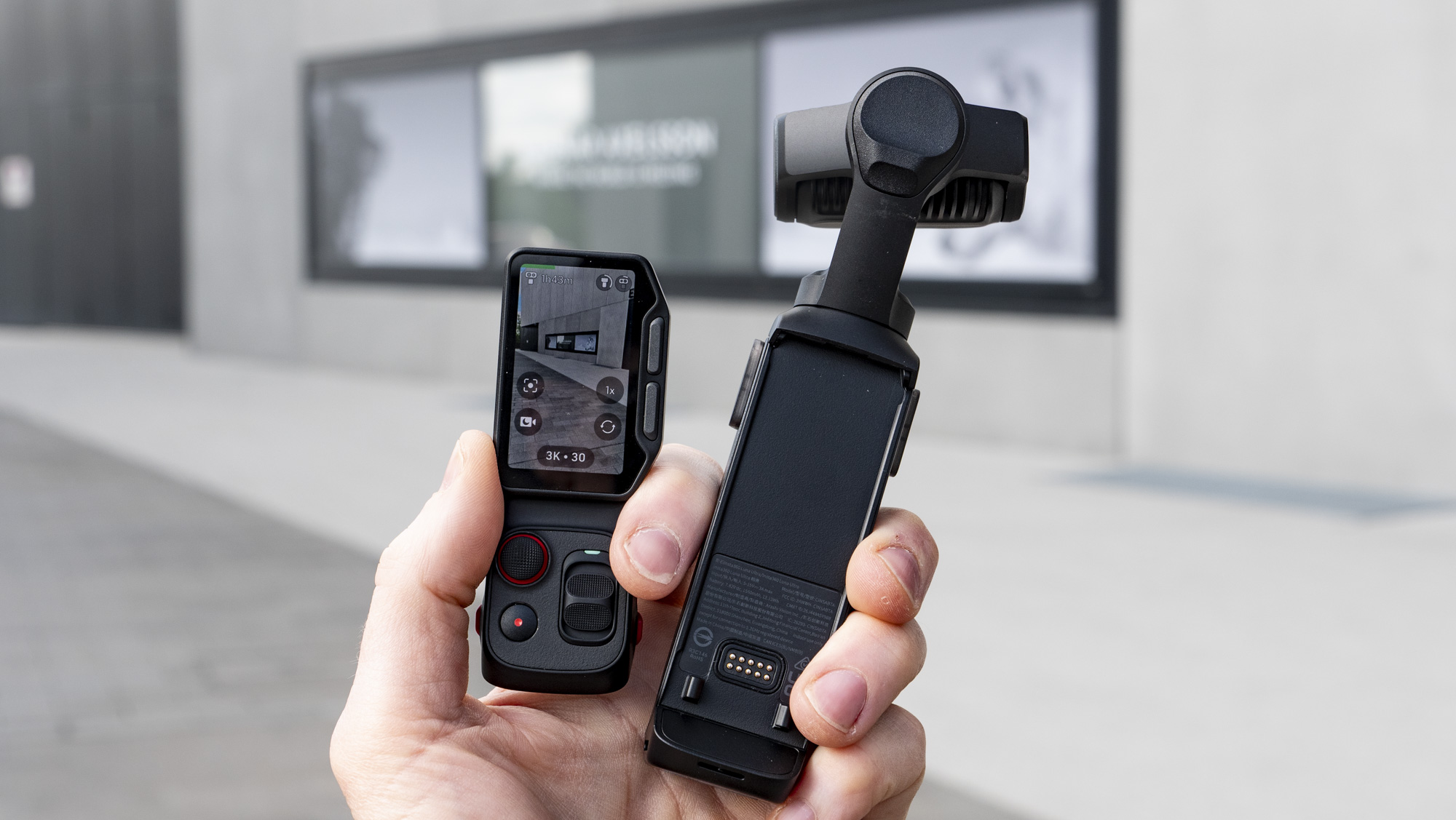
Additionally, Luna has subject tracking. With a double tap on the desired subject’s screen, the camera will track it, keeping it centered in the frame as it moves.
Combine those features (a removable screen with microphone and subject tracking) and you can really be a one-person show, getting the impression that a cameraman is following you as you walk through the scene (although, of course, you’ll need to find a suitable surface to rest the camera body on or mount it on a stand).
The removable screen is a very cool feature, especially for solo creators, but also when you are traveling with friends or family and want to take selfies.
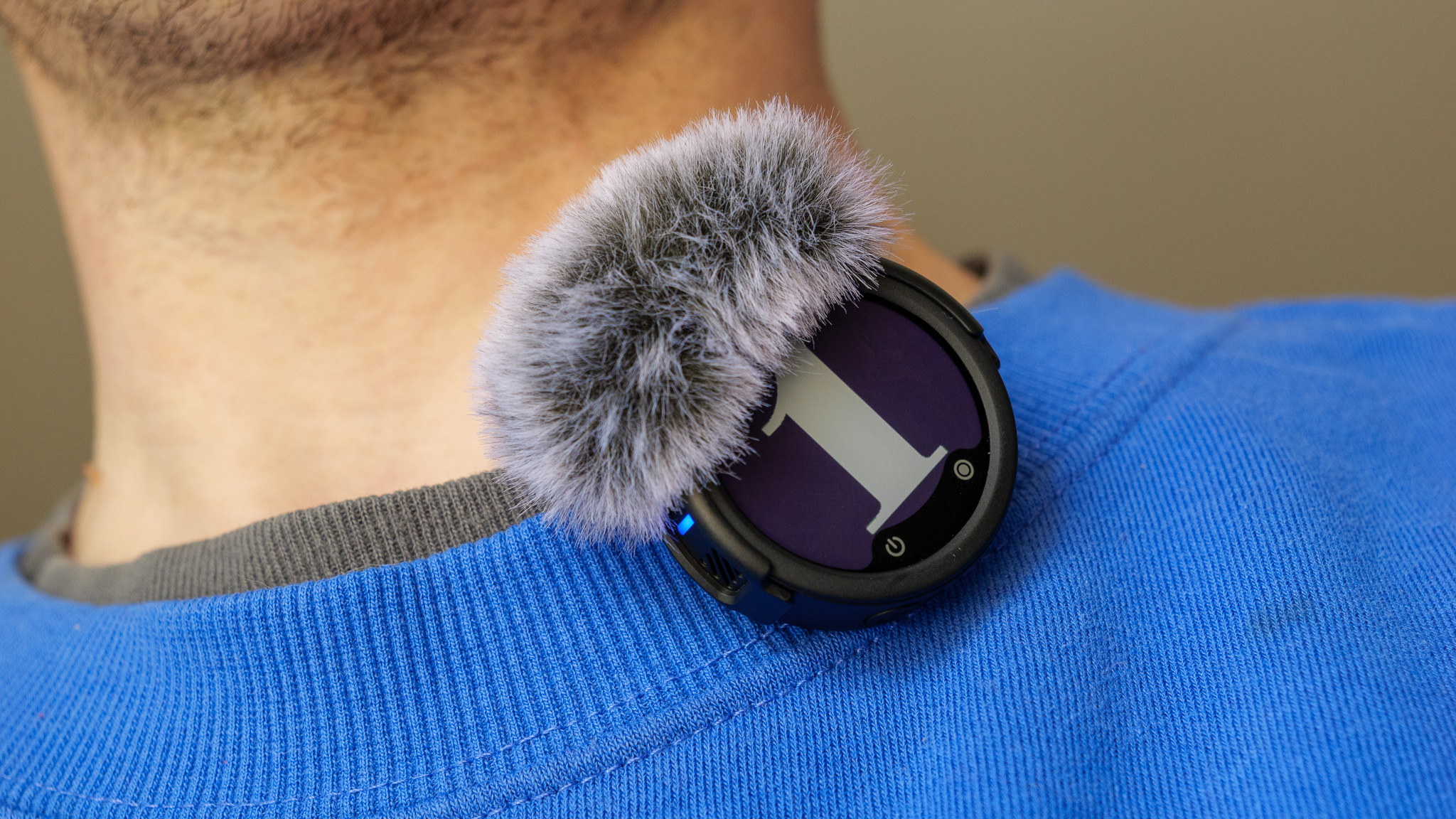
What makes the Luna even more compelling as an alternative to the DJI Pocket is that Insta360 recently launched new accessories, including the recent Mic Pro wireless microphone (see above), which we gave a top rating of 5 out of 5 in our review. These great accessories mean you don’t need to mix and match brands to get high-quality video and audio – Insta360 now has its own complete ecosystem for vlogging.
Yes, DJI has been making vlogging cameras longer than Insta360 and I expect it to continue dominating the space for some time to come. Reports suggest that the Pocket 4 took a whopping 72.5% of total video camera sales in Japan last month, despite launching in the third week of the month, in the same way that DJI launched its own Osmo 360 to rival the Insta360, but Insta360 still has almost 70% of total market share. However, the Luna might do things differently enough to persuade beginners or DJI fans to switch.
I’m excited to share more details about Luna with you when the full embargo is lifted. But what do you think of the features I’ve been able to share: a game changer or a trick? How does the Luna look compared to the Pocket 4? Have your say in the comments below.

Follow TechRadar on Google News and add us as a preferred source to receive news, reviews and opinions from our experts in your feeds.


