
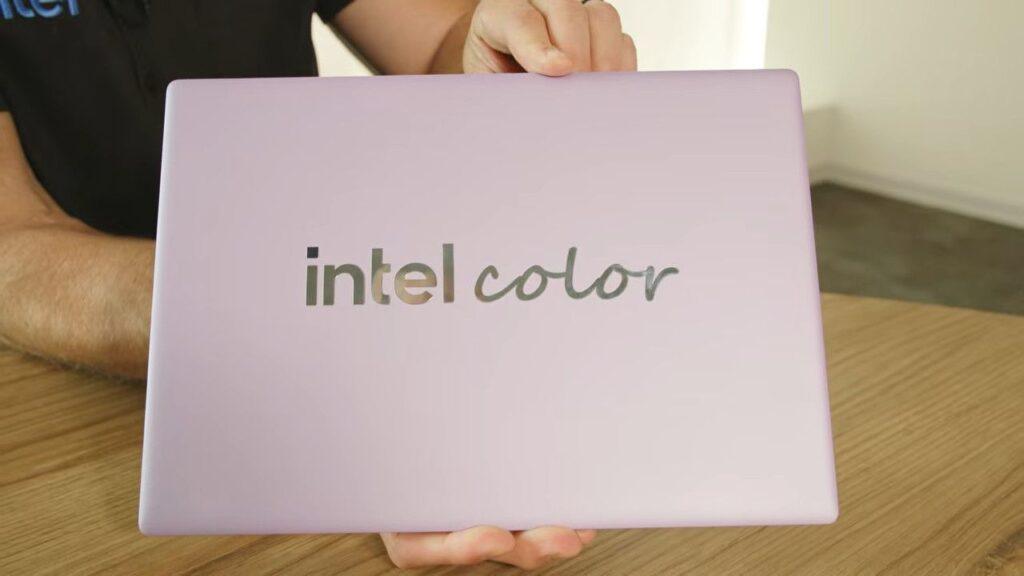
- Intel has detailed how it has designed Wildcat Lake laptops to be affordable
- It’s not just the Wildcat Lake processor itself, but also the supporting components.
- These have been implemented cost-effectively, taking advantage of telephone chips and design elements, helping to further reduce the cost of production.
Intel is talking about how laptops based on its new Wildcat Lake mobile chips will be a big step forward in terms of affordable laptops, underscoring how far it has gone to keep costs down.
VideoCardz noticed a new video from Intel on YouTube (see below) in which the company claims to “reimagine mainstream laptops with Core Series 3 processors” (Wildcat Lake, not to be confused with Core Ultra Series 3, which is Panther Lake).
Wildcat Lake is mobile silicon for more budget-oriented laptops, and the chip itself is built firmly with that affordability and power efficiency in mind. But what Intel details here is how it has implemented the rest of its reference platform (which laptop makers can use to produce their own models) in order to reinforce those cost savings.

It’s called the ‘Firefly program’ and, long story short, Intel has brought in support elements from the phone world as an alternative to what would normally be used on PCs.
That means using phone-class system memory (LPDDR5X), along with audio chips from the phone world, and much more.

Look
Intel explains: “We see two Firefly prototypes, including a 12.9mm metal chassis with redesigned thermal elements, standardized internal wiring for a separate I/O board, and a new core logic module that combines Intel SoCs with phone-grade memory to reduce costs and accelerate time to market.”
With cost reductions across all supporting chips and hardware, and on things like internal wiring and indeed the motherboard itself, as well as the cheaper CPU, Intel is further reducing the bill of materials (overhead cost) for laptop manufacturers.
Analysis: Intel is definitely not phoning it in…
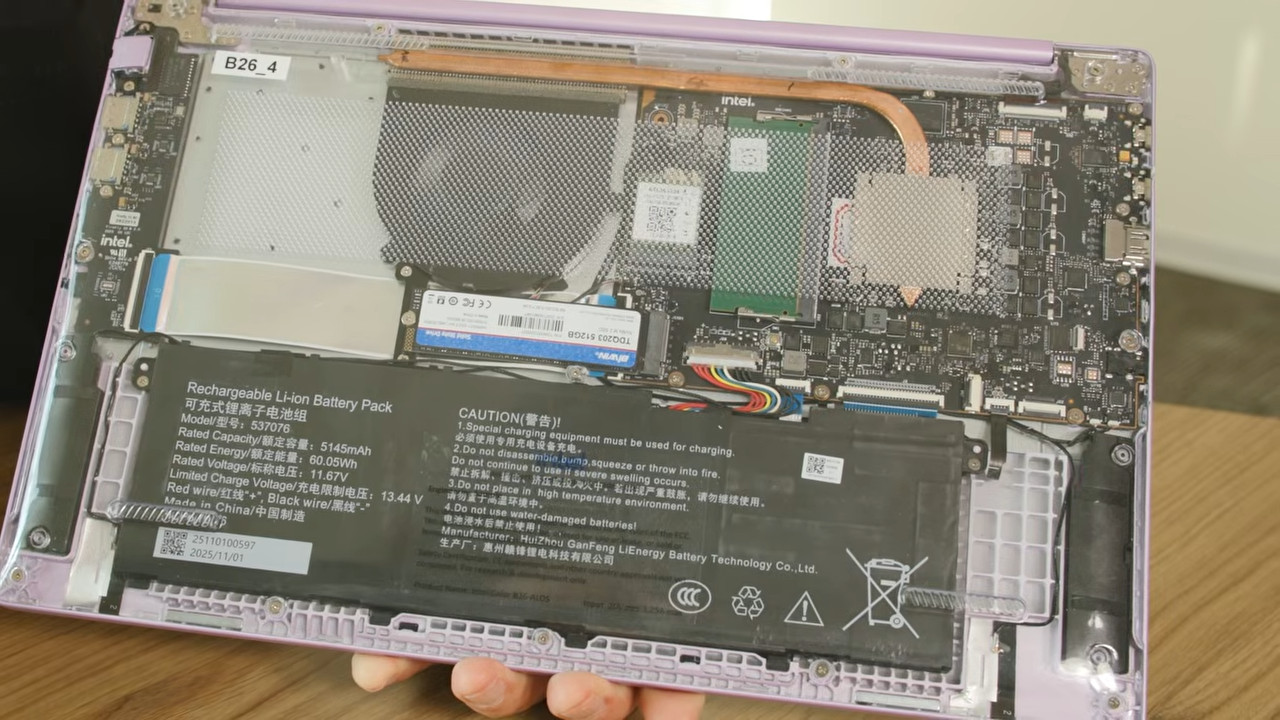
The core idea is to leverage the supply chain of smartphone components for use in laptops, and the design work required quite a bit of effort from Intel engineers. The end result is a more affordable laptop, a key consideration for Windows 11 laptops considering how well Apple is doing in this budget space with the MacBook Neo.
There’s another big boast here from Intel, too, and that’s the speed with which Firefly laptops can be brought to market. This can apparently be done in just a few months using Intel’s reference platform, so the suggestion is that Wildcat Lake laptops will soon arrive in force to combat the MacBook Neo, which is already a very popular device.
There’s a reason for that popularity, of course, because there have now been increases in laptop prices, so an attractively priced MacBook seems doubly tempting. We need more rival Windows 11 laptops to offer a broader choice in that regard, and from what I’ve seen of Wildcat Lake so far, I think it’s a great move from Intel, and it will be interesting to see exactly what kind of price tags are attached to these laptops.
Models like the new Dell However, I expect there to be a good number of laptops priced below this type.
This would all be good news given the RAM crisis, of course, and could provide excellent opportunities to get an affordable new laptop later this year (and I think buying in 2026 could be a smart decision, if you need a new laptop).
Of course, there is another competitor that Intel will need to consider carefully: Nvidia with its new RTX Spark chip. Now, although this silicon is as far as possible from a budgetary effort, and not from a straight rival, is having a knock-on effect to advance all Arm-based Windows 11 laptops, as I mentioned recently. These are interesting times indeed, and Qualcomm’s Snapdragon C chips also arrive as a tempting budget option this year.

Follow TechRadar on Google News and add us as a preferred source to receive news, reviews and opinions from our experts in your feeds.

The best laptops for all budgets


