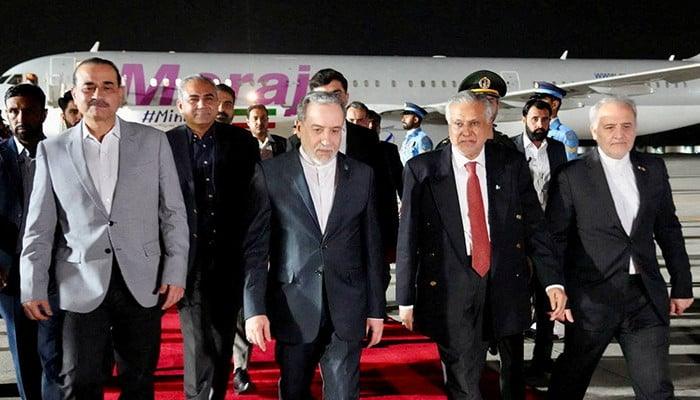
- Araghchi ‘raised plan’ to postpone nuclear talks at Islamabad meetings.
- He tells mediators there is no consensus on how to address American demands.
- Ceasefire can be extended or become a permanent end to war: proposal.
Iran, through Pakistani mediators, has offered a new proposal to reopen the Strait of Hormuz and end the war, postponing nuclear negotiations to a later stage, US media reported. axios reported, citing a US official and two sources with knowledge of the matter.
Hopes of reviving peace efforts diminished on Saturday when US President Donald Trump canceled a visit to Islamabad by his envoys Steve Witkoff and Jared Kushner.
Iranian Foreign Minister Abbas Araqchi traveled between mediators Pakistan and Oman on Sunday before flying to Russia, and the two sides still appear far apart on issues such as Iran’s nuclear ambitions and access through the crucial Strait of Hormuz.
Trump said Iran could make a phone call if it wants to negotiate an end to its two-month war.
“If they want to talk, they can come to us or call us. You know, there’s a phone. We have nice, secure lines,” Trump said on The Sunday Briefing. fox news.
“They know what has to be in the deal. It’s very simple: They can’t have a nuclear weapon, otherwise there’s no reason to meet,” Trump said.
Iran has long demanded that Washington recognize its right to enrich uranium, something Tehran says it only pursues for peaceful purposes but which Western powers say is aimed at building nuclear weapons.
Although a ceasefire has halted large-scale fighting in the conflict, which began with the US and Israeli attacks on Iran on February 28, no agreement has been reached on terms to end a war that has killed thousands of people, driven up oil prices, fueled inflation and clouded global growth prospects.
axiosCiting two knowledgeable sources, it reported that the Iranian Foreign Minister raised the plan to circumvent the nuclear issue during their meetings in Islamabad.
According to one of the sources, Araghchi made it clear to Pakistani, Egyptian, Turkish and Qatari mediators over the weekend that there is no consensus within the Iranian leadership on how to address the American demands.
Under the proposal, Axios reported, the immediate focus would be to reopen the strait and lift the blockade before moving on to broader negotiations.
As part of this framework, the existing ceasefire would be extended for an extended period or made into a permanent end to the war, the sources said.
The proposal provides for negotiations on the nuclear issue to begin only at a later stage, after maritime access is restored and concerns related to the blockade are addressed.
The White House welcomed the proposal, although it is not yet clear whether Washington is prepared to consider or implement the framework.
“These are delicate diplomatic discussions and the United States will not negotiate through the press. As the president has said, the United States holds the cards and will only make a deal that puts the American people first, without ever allowing Iran to have a nuclear weapon,” White House spokeswoman Olivia Wales told Axios.
With his approval ratings falling, Trump faces domestic pressure to end the unpopular war. Iran’s leaders, although weakened militarily, have found leverage in the negotiations with their ability to halt shipping in the strait, which normally carries a fifth of the world’s oil shipments.
Tehran has largely closed the strait, while Washington has imposed a blockade of Iranian ports.
The extensive disagreements between the United States and Iran
Disagreements between the United States and Iran extend beyond Tehran’s nuclear program and control of the Strait.
Trump wants to limit Iran’s support for its regional proxies, including Hezbollah in Lebanon and Hamas in Gaza, and limit its ability to attack US allies with ballistic missiles. Iran wants a lifting of sanctions and an end to Israeli attacks on Hezbollah.
In Lebanon, Israeli strikes killed 14 people and wounded 37 on Sunday, the Health Ministry said. The Israeli military warned residents to leave seven villages beyond the “safety zone” it occupied before a ceasefire that failed to completely stop hostilities.