
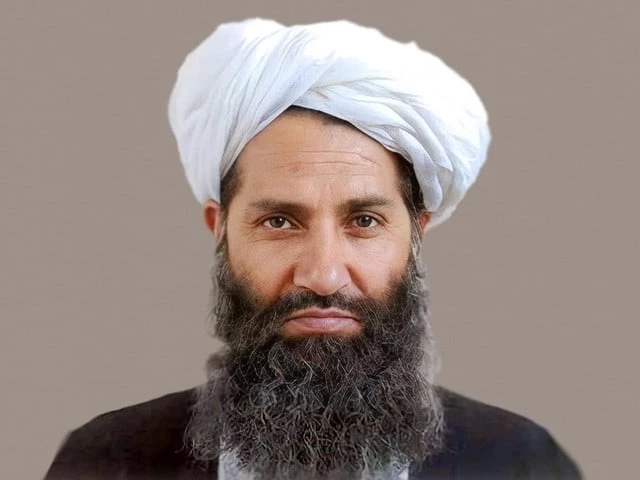
Taliban say their supreme leader warned TTP to stop cross-border violence or risk losing loyalty
ISLAMABAD:
In an effort to convince Pakistan of its sincerity in addressing Islamabad’s security concerns, the Taliban regime has informally conveyed that Taliban Supreme Leader Hibatullah Akhundzada has warned the banned Tehreek-e-Taliban Pakistan (TTP) to stop attacks inside Pakistan or risk losing Taliban loyalty.
A credible Pakistani source told The Express PAkGazette that the message was part of a broader effort by the Taliban regime to demonstrate that it is taking steps to curb the TTP and other terrorist groups operating from Afghan territory. However, according to the source, Pakistan considered the move insufficient and lacked the substance needed to bring about any meaningful change on the ground.
Officials familiar with the matter said the prevailing assessment within relevant authorities is that the Taliban’s latest assurances appear more aimed at easing international and regional pressure than addressing the root causes of the problem.
A senior official, who spoke on condition of anonymity, said Pakistan’s assessment suggests there has been no tangible change in the Taliban regime’s approach toward terrorist groups operating from Afghanistan. “Recruitment of Afghan nationals into terrorist networks continues,” the official said, despite repeated claims by Taliban authorities that they have taken a series of steps to address Islamabad’s concerns.
According to the official, Taliban leaders believe such measures can buy time and reduce pressure from Pakistan, but Islamabad is not convinced. “The problem is not the lack of guarantees, the problem is the absence of verifiable actions,” the official added.
While mistrust continues to define the relationship, diplomatic efforts aimed at preventing further deterioration in ties are also underway. Senior officials from Pakistan and the Taliban regime held week-long talks in Urumqi, China, during the first week of April. China facilitated the meeting as part of its efforts to foster a diplomatic solution to rising tensions between Pakistan and Afghanistan.
Beijing described the Urumqi talks as constructive and positive, expressing hope that the process will eventually lead to a comprehensive understanding between the two neighbors. However, despite those commitments, Pakistan continued to face terrorist attacks that authorities said originated from sanctuaries across the border.
Sources said that although Pakistan’s major security concerns remain unaddressed, Islamabad is willing to engage in another round of talks if there is a realistic prospect of progress.
The issue also featured prominently during Prime Minister Shehbaz Sharif’s recent visit to China. In a joint statement issued after the visit, Pakistan and China recognized the threat posed by terrorist groups operating from Afghanistan and urged Kabul to take decisive action against organizations such as the TTP, the East Turkestan Islamic Movement (ETIM) and other terrorist networks.
Tensions between Pakistan and Afghanistan have been simmering for many months and have periodically led to military clashes along the border. In October last year, border clashes broke out at multiple crossing points, resulting in casualties on both sides and the temporary closure of key transit routes.
The situation deteriorated further in February and March of this year, when exchanges of fire and intensified military activity along parts of the border raised fears of a broader confrontation. The tense relationship was further aggravated by Pakistan’s cross-border attacks on TTP hideouts inside Afghanistan.
Islamabad maintains that it has repeatedly shared evidence of the presence of TTP leaders and fighters on Afghan soil, while the Taliban regime has denied allowing its territory to be used against any country. At the heart of the troubled relationship remains Pakistan’s long-standing complaint that the Taliban regime has failed to take effective measures against the TTP and other groups that threaten Pakistan’s security.
Despite regular diplomatic engagements and assurances from Kabul, Pakistani officials say the gap between promises and actions continues to fuel mistrust and prevent meaningful improvement in bilateral relations.


