
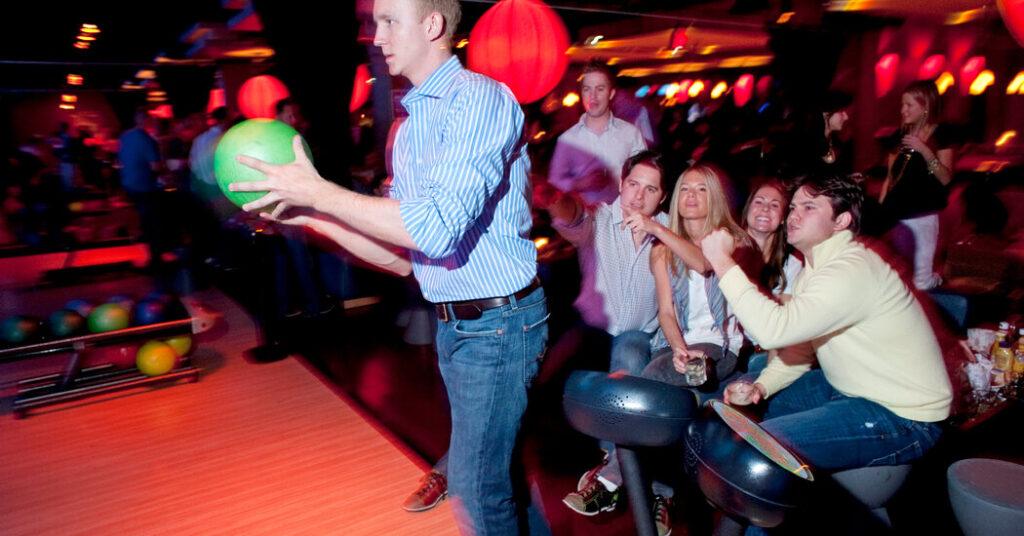
The classic pins at the Garage Billiards & Bowl in Seattle were replaced by new pins attached to ropes. An hour of bowling for one in Yonkers, New York, cost about $60, not including food or drinks, and the lane wasn’t even greased. And in Oakland, California, pin-setting machines at a bowling alley frequently break down.
These were just some of the complaints in a lawsuit against Lucky Strike Entertainment Corporation filed this week by regulars across the United States whose community bowling alleys have been taken over by what they call a “Wall Street goliath.”
The lawsuit, which was filed Wednesday in U.S. District Court in Seattle, says Lucky Strike has built a bowling monopoly and is responsible for “the true destruction of America’s decades-old pastime of bowling.” Plaintiffs’ attorneys are seeking class-action status for the suit, which seeks an undisclosed amount in damages.
Lucky Strike, which was formerly known as Bowlero, operates more than 360 bowling alleys in North America.
By purchasing its competitors “through illegal acquisitions,” the lawsuit says, Lucky Strike used a “predatory approach” that alienated “substantially all customers except those who have no interest in bowling.” As a result, the lawsuit says, customers are paying more for a stripped-down experience fueled by loud music, alcohol and gambling.
In a statement, Lucky Strike Entertainment called the lawsuit baseless. The company “has spent more than three decades expanding opportunities for the sport of bowling and the communities we serve,” he said. “We are confident in our conduct, we are confident in the law, and we will defend this case vigorously and to the fullest extent.”
The plaintiffs accuse Lucky Strike, which became a public company in 2021, of using a “mouse trap” business model to raise prices: “taking them downtown to bowl and then selling them more and charging them more on food and drinks.” That strategy and the company’s subsequent expansion had allowed Lucky Strike to leverage “its dominance to obtain more favorable terms from suppliers than its competitors can obtain,” citing contracts with line oil suppliers and food and beverage companies, the suit says.
The lawsuit also accuses Lucky Strike of promoting gambling through “hub-based ‘monetization’ applications.”
The company dates back to 1997, when its founders transformed Bowlmor Lanes in Manhattan into a luxury nightlife destination. In 2013, Bowlmor acquired AMF Bowling Centers and rebranded the entities to the Bowlero brand the following year. They also acquired the bowling alley business of Brunswick Corporation.
In 2019, Bowlero acquired the Professional Bowlers Association, the sanctioning body for the sport and professional league. The lawsuit says the purchase “altered the structure of the bowling market to disadvantage competitors, who know they must remain in Bowlero’s favor so as not to jeopardize their ability to partner with the PBA.”
Bowlero announced in 2021 that it would go public on the New York Stock Exchange under the symbol “BOWL” with a valuation of $2.6 billion. At the time, it operated nearly eight times as many bowling centers as its closest rival, according to the lawsuit.
The company continued its “stack-up” acquisition strategy, purchasing Bowl America for $44 million in 2021, as well as dozens of independent bowling centers across the country between 2021 and 2024.
In May 2022, for example, it acquired three bowling centers in Wichita, Kansas. Prices rose sharply, causing many bowlers around the league to quit, according to the lawsuit. In one alley, the cost of lanes, food and drinks tripled. In Seattle, two hours of bowling for three people in 2023 cost $285, the plaintiffs said. The lawsuit accuses Lucky Strike of using dynamic pricing, a strategy in which companies raise prices as demand increases, especially on weekends when families are more likely to visit.
In September 2023, Bowlero acquired high-end bowling company Lucky Strike for about $90 million in an all-cash deal. In late 2024, the company changed its name to Lucky Strike Entertainment and adopted the stock symbol “LUCKY.”
The lawsuit is not the only source of legal problems Lucky Strike faces. In 2023, the company became the subject of an extensive federal investigation into allegations of age discrimination and retaliation. That case is still pending.
Laura Hampton, who joined her first bowling league when she was 12, said Lucky Strike has de-emphasized league play at the bowling alley she frequents, a former Bowl America in Prince William County, Virginia. He said Lucky Strike has maximized open play in the leagues it participates in since taking over several years ago. The league’s bowlers are the bowling alleys’ “number one customers,” he said, returning week after week for years.
Ms. Hampton, 53, who is not a plaintiff in the lawsuit, is concerned that future bowlers will not have the same experience, especially if there is a financial barrier.
“It doesn’t matter if you’re an Olympic athlete or a normal person, everyone can bowl,” he said. “How will the next generation be able to participate if prices are so high?”


