
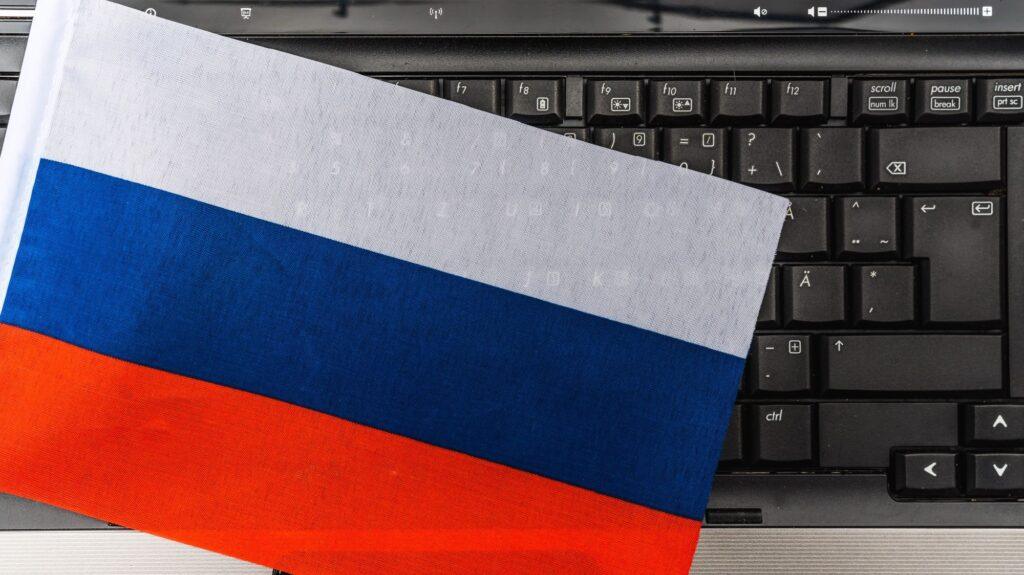
- Twenty Russian telecommunications companies have signed a moratorium to stop the expansion of communication channels to Europe.
- The bandwidth freeze aims to curb VPN usage by forcing operators to filter traffic or introduce a “cheap filter” on international data.
- More than 20 of Russia’s largest websites have also started restricting access to users with active VPN connections.
Russia’s current war on digital privacy has taken a severe structural turn. According to new reports, around twenty Russian telecommunications companies that own international communication channels have signed a moratorium that freezes their expansion in Europe.
The measure is a direct attack on Internet freedom. By artificially limiting the bandwidth of cross-border data channels, the state aims to suffocate the very networks necessary to run the best VPN services, leaving citizens increasingly isolated from the global Internet.
As detailed by local media RBC and Meduza, VPN use is recorded on telecommunications networks as foreign traffic. With fixed bandwidth, the natural growth of international data will eventually saturate existing lines.
The moratorium was reportedly signed after meetings with Maksut Shadayev, head of the Ministry of Digital Development. Among the participants were telecom operators such as MTS, VimpelCom (Beeline), T2 Mobile and Transtelecom.
Imposing an ‘economic filter’
By refusing to expand international infrastructure, the burden of censorship is shifted directly to the telecommunications industry. A source told RBC:
“Ultimately, telecom operators will try to combat VPNs whose traffic appears strange on the network: they will try to filter it or increase the cost of access to foreign services – in other words, they will ‘impose a cheap filter’.”
Authorities also hope that this manufactured bottleneck will force foreign digital platforms to set up local servers within Russian borders to prevent their users from experiencing severe drops in download speeds.
Additionally, Forbes recently reported that the Ministry proposed imposing fees on mobile users who consume more than 15 GB of international data per month, a measure expected to be implemented on May 1.
A technical repression on multiple fronts
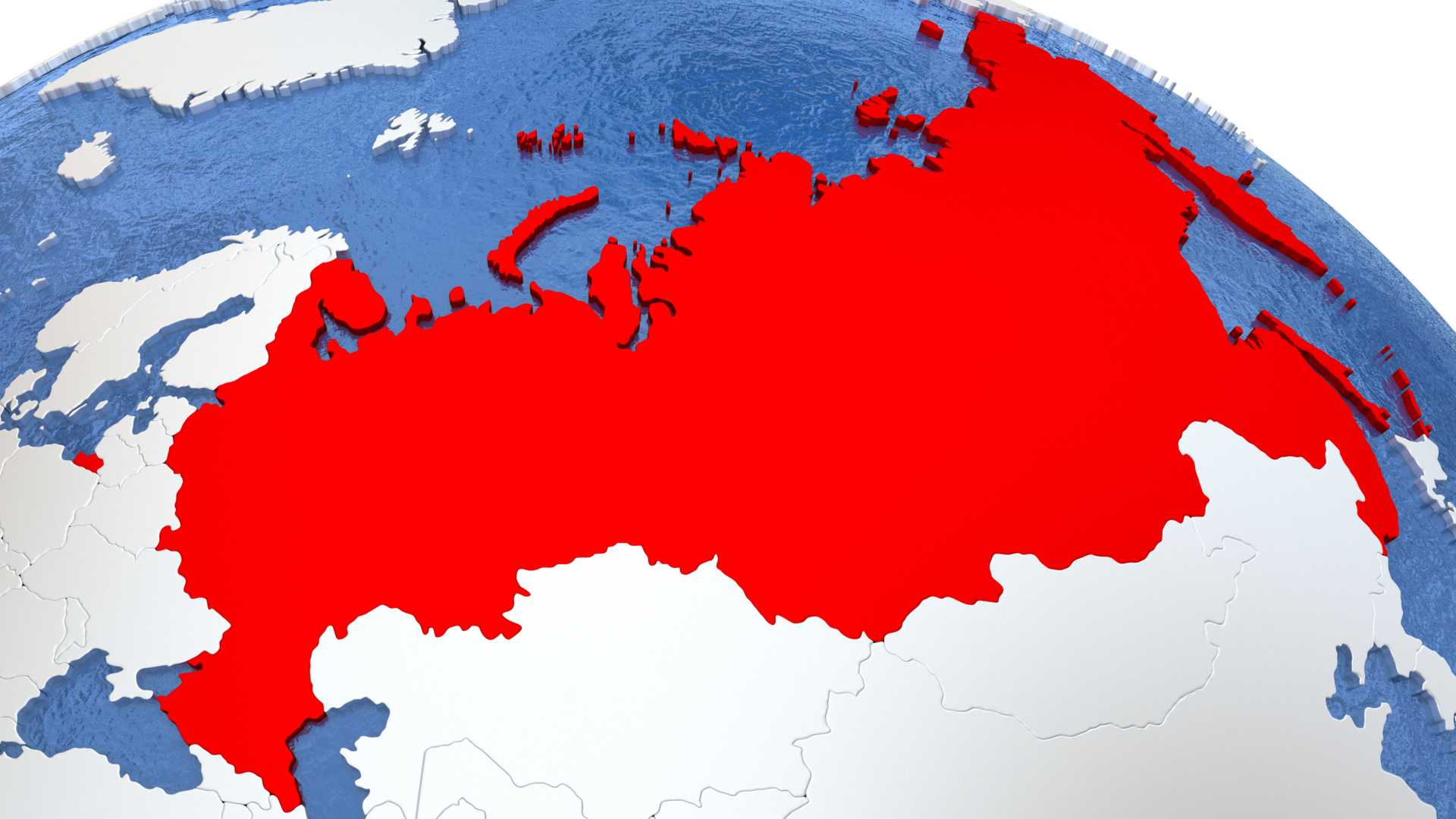
This infrastructure freeze is just one part of a broader campaign against circumvention tools. Starting April 1, Russia’s “big four” carriers disabled the ability to pay Apple ID via mobile bills to discontinue VPN subscriptions, particularly as the Ministry noted that VPN detection on iPhones is “significantly limited.”
Additionally, more than 20 of the country’s most popular websites, including Yandex, VK, and Sber, must now restrict access if a user has a VPN enabled.
“In essence, this is a fight against VPNs that use these platforms and their advanced technical means,” explained an RBC source.
Are VPNs still a viable option?
Despite the aggressive measures, officials maintain there are no outright bans. Russian Presidential Press Secretary Dmitry Peskov stated:
“There are currently no prohibitions in this regard and no liability is foreseen for its use.”
However, Shadayev admitted on the Max messaging app that punishment for users was considered.
“In the chat the issue of introducing administrative sanctions for the use of VPN was discussed. It is a forceful solution that we categorically disapprove,” he wrote.
“The measures being discussed today are a difficult compromise. Of course, we understand all the consequences, but all other options are much worse.”
For users navigating this increasingly hostile landscape, understanding how to survive Russia’s VPN crackdown is more vital than ever.
Follow TechRadar on Google News and add us as a preferred source to receive news, reviews and opinions from our experts in your feeds. Be sure to click the Follow button!


