

- Mozilla says it has fixed more than 400 bugs with the help of Anthropic Mythos
- The tool had to be “leveraged” for Firefox to get better results.
- Mythos offers a step beyond the typical “spam drain” provided by AI fuzzing tools
Anthropic’s latest cybersecurity tool Mythos continues to make waves as Mozilla announces that the AI model helped it ship more than 400 Firefox security bug fixes in April 2026 alone.
Anthropic has touted Mythos as “a new frontier model” that could “reshape cybersecurity” and is capable of identifying zero-day vulnerabilities in operating systems and browsers.
Mozilla previously touted the tool as “as capable” as “the world’s best security researchers,” and has now sought to back up this claim with hard evidence.

Mythos louses Firefox
Mozilla’s performance in fixing bugs with Mythos came down to two things, the company said.
The first was improvements to AI tools like Mythos, and the second was Mozilla’s custom-developed “harness” that allowed Mythos to analyze Firefox code without producing the “unwanted garbage” that was typical of previous AI debugging tools.
“In terms of the errors that appear on the other side, there are almost no false positives,” distinguished Mozilla engineer Brian Grinstead said in an interview. The harness Mozilla developed for Mythos would give the AI tool access to a workflow similar to that used by a human team.
Mythos is then given files that have been shown to contain issues and is tasked with creating a test case for exploiting the bugs, which are then run using fuzzing tools to look for potential vulnerabilities.
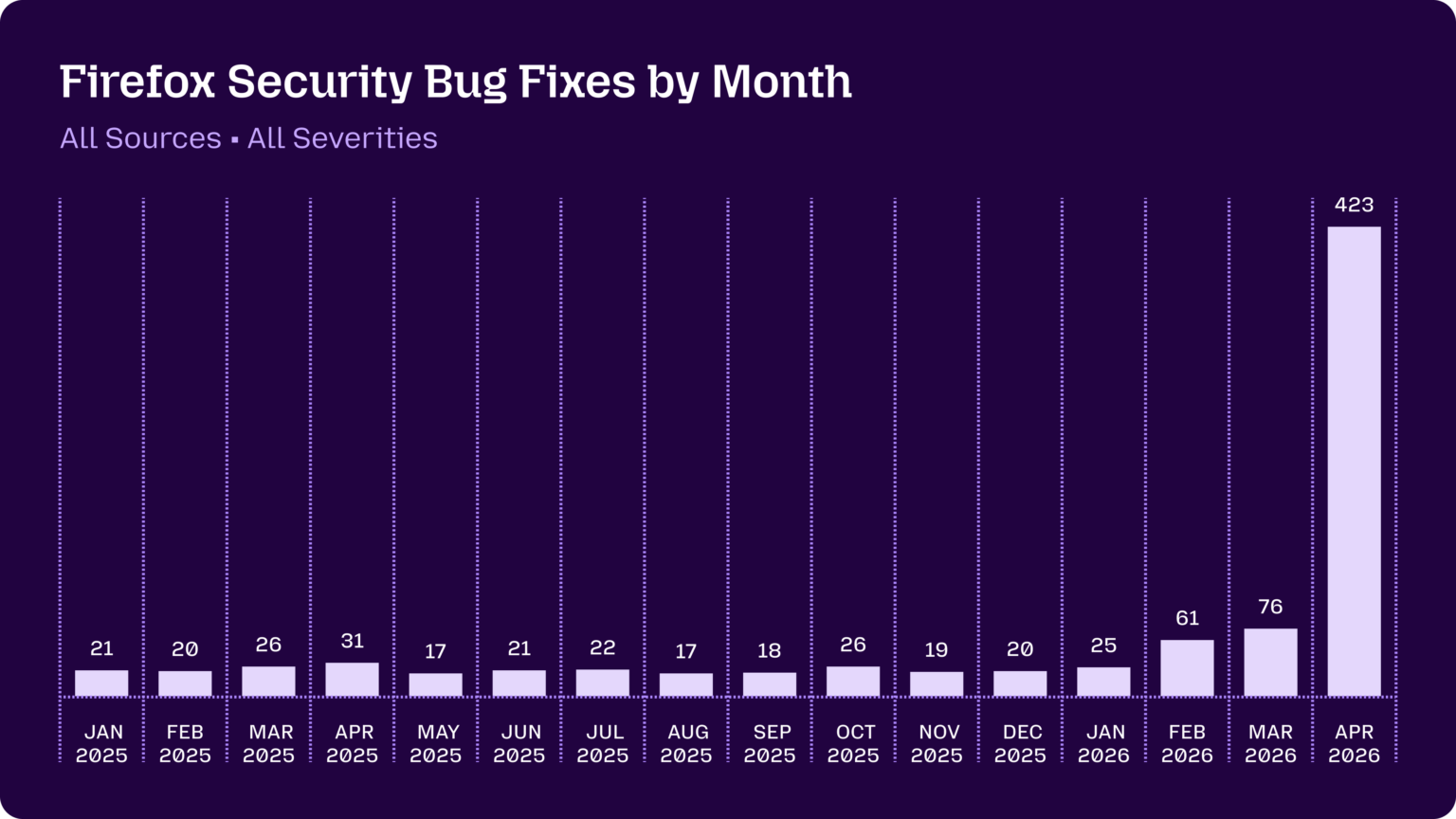
Some of the vulnerabilities Mythos managed to identify had been present for 15 to 20 years and required a complex chain of multiple errors to result in a full chain compromise of Firefox. Typically, such an exploit chain would take weeks to identify and is very difficult to detect using traditional fuzzing techniques.
Of course, Mythos is not a silver bullet for cyber defense and certainly should not be viewed as such. As Mozilla has shown, it cannot be implemented simply to instantly patch every vulnerability within a piece of software. It needs direction and guidance from humans to function at such a scale.

Follow TechRadar on Google News and add us as a preferred source to receive news, reviews and opinions from our experts in your feeds.


