
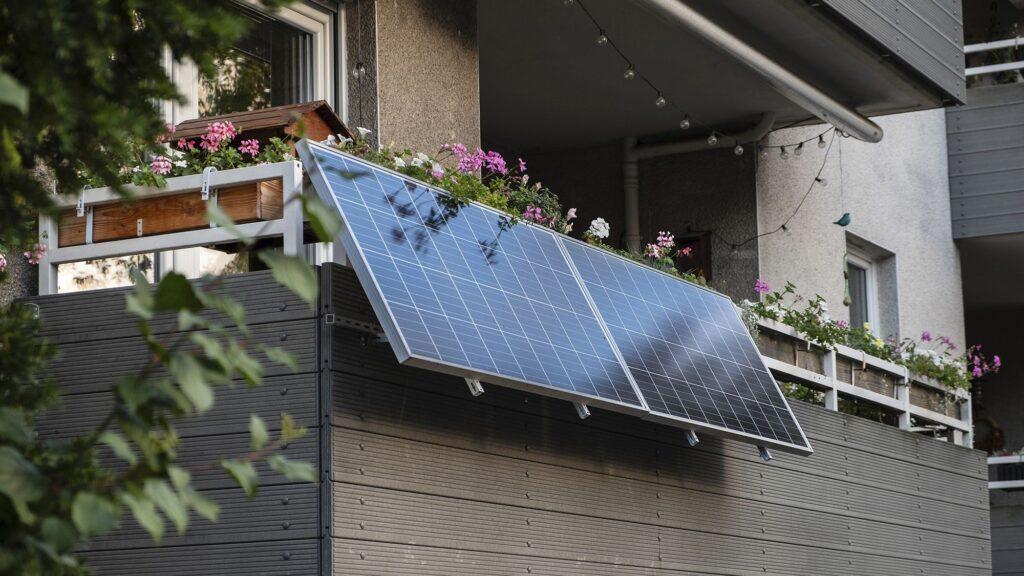
- Reflect10 solar panel geometry increases daily energy production by 20%
- Cells capture more sunlight during low angle hours and cloudy conditions
- The efficiency limits of silicon panels are approaching: this is great news
Canadian startup Reflect10 has introduced a new photovoltaic (PV) module architecture that could significantly increase the amount of energy solar panels can produce, and it has nothing to do with peak power.
Instead, the upgrade incorporates light-reflecting geometry directly into the solar panel to reflect incoming sunlight multiple times, giving photons additional opportunities to impact photovoltaic cells. By allowing additional reflections and angles, it means that solar panels can convert even more sunlight into electricity as the sun sets at lower angles.
Although the concept as a whole already existed, it previously required exterior mirrors or motors, which made installation more expensive. Various studies point to improvements in energy production of between 11% and 57%.

The same panel, with the same power, could produce 20% more capacity
According to the company, it could generate 20% higher average daily energy output compared to standard solar panels, with low-angle times such as early morning and late afternoon generating up to 2.66 times more energy. The technology also promises to increase efficiency in diffuse light conditions, such as cloudy weather.
This upgrade also comes at an important time, because conventional silicon solar cells are rapidly approaching their theoretical efficiency ceiling, making it nearly impossible to produce more electricity.
“These results represent a significant and immediate step forward at a time when the industry has faced a fundamental physical ceiling for decades,” said founder Louis Massicotte (via pv magazine).
According to the company, the global solar industry has grown an average of +0.18 percentage points in efficiency per year under real field conditions since 1954, which is very slow progress.
Ultimately, Reflect10 increases panel efficiency not by increasing the efficiency of the cells themselves, but by allowing more light to reach the cells. Ultimately, it means that a 500W panel, for example, could produce 500W of electricity longer, rather than being restricted to a lower power due to unfavorable conditions, leading to a higher total capacity (measured in kWh).
Proven efficiency-boosting photovoltaic technology could address current constraints
Although the test data comes primarily from optical simulations conducted by Canada’s National Optical Institute, the company has also conducted proof-of-concept field tests to demonstrate that it works in both Morocco and Canada.
An independent scientific review by the Île-de-France Photovoltaic Institute (IPVF) also points to the technology’s potential to scale and plug gaps in grid deficits over a wider range of times, not just during peak sunlight hours.
“By increasing production at the beginning and end of the day, the technology could help better adapt to periods of peak electricity demand and, at the same time, reduce the concentration of generation around the midday solar peak,” commented IPVF research director Pere Roca i Cabarrocas.
The company is currently processing three international Patent Cooperation Treaty applications ahead of their public filing in Paris.
Reflect10 does not plan to manufacture panels with the new light-reflective geometry; Instead, the Canadian company offers 50 non-exclusive licenses of its intellectual property to module manufacturers.

Follow TechRadar on Google News and add us as a preferred source to receive news, reviews and opinions from our experts in your feeds.


