
PAA’s new NOTAM keeps ban on aircraft registered, operated, owned and leased in India in place
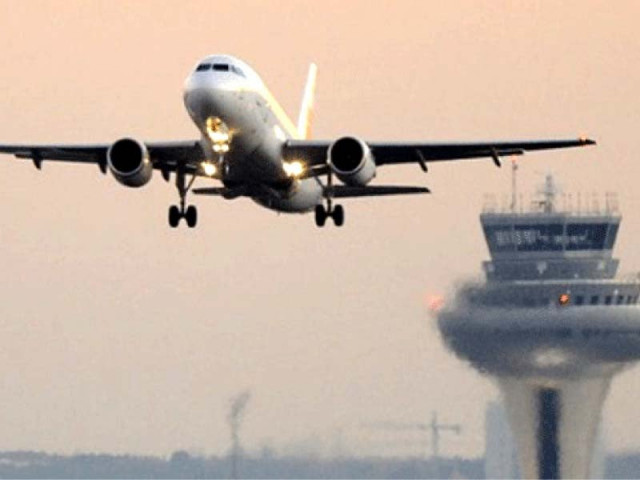
Airspace. Photo: (file)
Pakistan has extended the closure of its airspace to Indian aircraft until August 24, the Pakistan Airports Authority (PAA) said on Saturday.
The PAA issued a Notice to Airmen (NOTAM) extending the ban to Indian aircraft, according to which they would not be allowed to use Pakistani airspace.
The authority noted that the ban applied to aircraft registered, operated, owned and leased by India, and that the restriction on the use of Pakistani airspace by Indian military and civil aircraft remained in force.
Earlier, the PAA extended the restriction on Indian aircraft using its airspace until June 24, and before that, until May 24, April 24 and until March 23.
Pakistan has kept its airspace closed to Indian aircraft since April 2025, when tensions between Islamabad and New Delhi rose sharply after an attack on Indian-occupied Jammu and Pahalgam.
The attack killed 26 people and India immediately blamed Pakistan for the incident. Pakistan, however, categorically rejected blame and offered to support a neutral investigation.
Read: A year later, India did not present evidence on Pahalgam attack: Tarar
In response, India took a series of hostile actions the day after the incident. On April 23, 2025, it suspended the 65-year-old Indus Waters Treaty (IWT), canceled visas for Pakistani citizens, closed the Wagah-Attari border crossing, ordered the closure of Pakistan’s High Commission in New Delhi, and reduced diplomatic staff at each country’s embassies.
Tensions escalated further in May, when missile strikes hit six cities in Punjab and Azad Jammu and Kashmir (AJK), destroying a mosque and killing dozens of civilians, including women, children and the elderly.
Read more: Taliban using Indian funds for cross-border terrorism against Pakistan: former Afghan army chief
In response, Pakistan’s military shot down Indian fighter jets, including three Rafale jets. India then attacked several Pakistani air bases with missile strikes. In retaliation, Pakistan launched Operation Bunyanum Marsoos, which damaged Indian military installations, including missile storage sites, air bases and other strategic targets.
On May 10, 2025, United States President Donald Trump announced that a ceasefire had been reached after intensive diplomatic efforts. Minutes later, the agreement was confirmed separately by Pakistan’s Foreign Minister Ishaq Dar and India’s Foreign Minister.


