
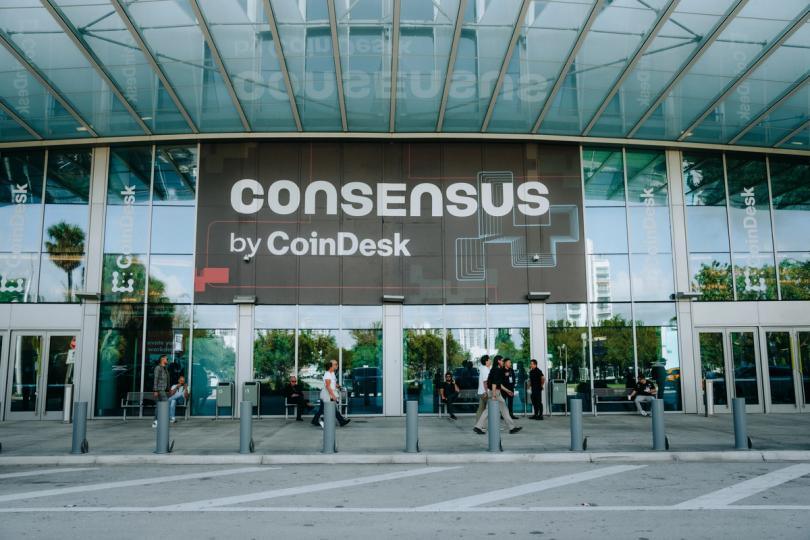
White House adviser Patrick Witt said the Clarity Act is likely to become law on July 4, while Sen. Kirsten Gillibrand pushed for an ethics provision to be included in the market structure bill. Consensus Miami 2026 concluded with a heated debate about the role of prediction markets, and a lot of different things happened at our first conference in the Sunshine State.
CoinDesk also published the results of a survey it asked 1,000 registered voters about their opinions on cryptocurrencies ahead of the 2026 election.
PS: I’ll be at the Bermuda Digital Finance Forum next week. Let’s catch up if you’re there.
You’re reading State of Crypto, a CoinDesk newsletter that discusses the intersection of cryptocurrency and government. Click here to register for future editions.
the narrative
The executive director of the White House Presidential Council on Digital Assets, Patrick Witt, told an audience at Consensus Miami this week that he believed it was possible that President Donald Trump would sign the Clarity Act before July 4. The timeline would require a markup this month (which seems very possible), four weeks for the Senate to merge the Banking and Agriculture bills (technically possible), a few weeks for reconciliation with the House (also technically possible) and the House vote (will depend on the House), and finally the Part where the president signs the bill.
Beyond Witt, we heard from several industry participants and policymakers at Consensus Miami. Catch up below.
Why is it important
Look, if you’ve been reading this newsletter for more than a few weeks, you know that the Clarity Act has taken center stage over the past few months. Maybe it will happen and we can move on to other things. Maybe not. But there seems to be more momentum now than there has been in weeks, so we’ll see (very soon, I imagine) what that means.
breaking it
This year, the consensus had a series of other sessions with lawmakers, policymakers, and lawyers weighing in on everything from what the Clarity Act needs (ethical provisions, according to Sen. Kirsten Gillibrand) to whether prediction markets are in play or not (we didn’t reach a conclusion, but it was a great debate!).
Some highlights:
CoinDesk also published the results of a survey of registered voters it commissioned from April 21 to 27. We found that while voters generally don’t care about cryptocurrencies ahead of the 2026 midterm elections, when they face other issues like the economy and healthcare. This probably won’t come as a surprise to anyone.
Voters overwhelmingly said they did not want top government officials to have ties to cryptocurrency business interests, with a majority saying they were uncomfortable with President Donald Trump’s administration overseeing cryptocurrencies (although only 17% of voters said they knew he and his family had co-founded World Liberty Financial). Voters also overwhelmingly favored banks over crypto projects when asked which was more likely to provide them with financial services.
You can read our articles on this data below:
Cryptocurrencies at the bottom of US voters’ priorities heading into the election, CoinDesk survey shows
US Voters Don’t Trust Trump Administration to Oversee Crypto Sector, CoinDesk Poll Finds
Americans Still Prefer Banks Over Cryptocurrencies for Financial Access, CoinDesk Survey Shows
Thursday
- 14:30 UTC (10:30 am ET) The Senate Banking Committee plans to hold a margin hearing to advance the Clarity Act.
If you have any ideas or questions about what I should discuss next week or any other feedback you would like to share, feel free to email me at [email protected] or find me on Bluesky @nikhileshde.bsky.social.
You can also join the group conversation on Telegram.
See you next week!


