
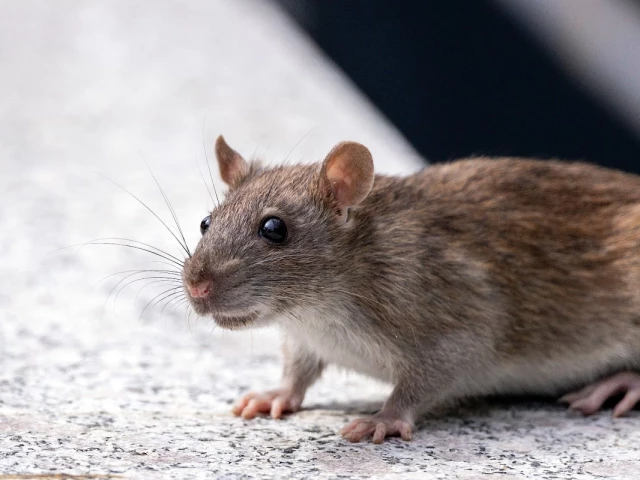
Almost 3,000 cases of rat bites were reported at Lady Reading Hospital in three months
Residents in more than 50 towns report daily rat bites, as poor sanitation and a lack of control measures fuel a growing public health crisis. PHOTO: PEXELS
PESHAWAR:
Eleven-year-old Umair was sleeping with his family in their home in the Gunj Gate neighborhood of Peshawar when his screams broke the silence of the night. Startled awake, his relatives turned on the lights and discovered blood flowing from his foot. Running outside, they came face to face with two unusually large rats in the yard: the animals responsible for the attack.
For Umair’s family, the incident was horrifying but not unprecedented. The same rodents had previously bitten and injured three other family members, turning what should be the safety of the home into a source of fear. On the other side of the Gunj Gate, dozens of families are living the same nightmare. Residents have submitted repeated petitions to municipal authorities and the local government, complaining about clogged drains, overflowing garbage and deteriorating sanitary conditions that have fueled a growing rat infestation.
However, despite years of complaints, no effective measures have been taken to curb the problem, leaving communities increasingly vulnerable as rats continue to invade homes and attack residents. The crisis extends far beyond Gunj Gate. From Kohati Gate and Qissa Khwani to Lahori Gate, Yakatoot, Beri Bagh, Panch Katha, Malikpura and Chamkani, residents of more than 50 neighborhoods are reporting a worrying rise in rat attacks, with the bites becoming an almost daily occurrence.
Read more: Funding delays slow KP health initiative
Ayesha Munir, a mother of three from Chamkani, revealed that her five-year-old son often picks up and eats things off the ground. “Rats enter houses at night through drains. Despite blocking many entry points and using poison, conventional pesticides no longer kill the unusually large rats. Due to poor hygiene, children often pick up objects from the floor, leading to frequent stomach illnesses,” Ayesha said. Although he filed complaints through the Citizen Portal, no action has been taken in this regard.
Dr. Hazrat Ullah, who has practiced for many years at Lady Reading Hospital and has served as a doctor, revealed that whenever a person is bitten by a rat, cat, dog or similar animal, it is essential to receive injections immediately after the bite. “Rat bites generally do not pose a life-threatening risk because they commonly occur in less critical parts of the body. However, if newborns or other people are bitten in the throat, airways or other sensitive parts of the body, the situation can become serious,” he noted.
According to information obtained by The express PAkGazetteLady Reading Hospital alone receives approximately 900 cases of rat bites a month. Over the past three months, nearly 3,000 cases of rat bites were reported to the hospital, most of them in children under 15 years of age. These patients were treated at the hospital’s vaccination center. Similarly, dozens of cases are reported daily at Khyber Teaching Hospital and Hayatabad Medical Complex.
A senior official of Peshawar Water and Sanitation Services, speaking on condition of anonymity, said anti-rat drives have been carried out in several areas. “Anti-rat campaigns provide only temporary relief as rodents migrate from nearby areas. Chronic shortages of funds and resources have hampered efforts to control both rat infestations and the growing stray dog population,” the official said.
According to sources of The express PAkGazetteSeveral years ago the Department of Local Government developed a comprehensive plan in response to the increasing number of rat bite cases in Peshawar. A formal proposal was also drawn up, but despite two years having passed it has not been implemented. As a result, both the rat population and the number of rat bite incidents in Peshawar continue to increase. However, until now the administration has not given the issue the attention it requires.


