
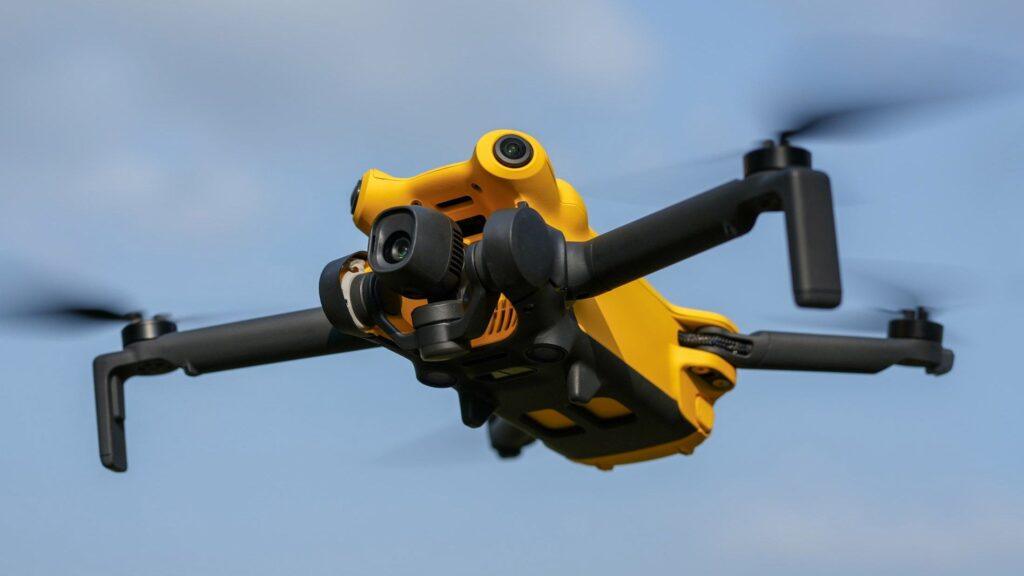
- FBI says it has seized more than 600 drones near World Cup venues
- Convulsions have been recorded in each and every one of the tournament’s host cities in the United States.
- This could have implications for all drone fans during national events.
In mid-June, the FBI made a big show of announcing that it had seized about 15 drones near the World Cup venues, in what seemed like a clear and direct warning to would-be aerial photographers that the agency was serious.
Apparently a lot of people weren’t listening. Three weeks later, the FBI now says it has seized more than 600 drones in the 11 US host cities since the tournament began, with operators facing fines of up to $100,000 and possible federal criminal charges for violating temporary flight restrictions.
The law enforcement operation overshadows what We reported just a few weeks ago. According to the FBI, seizures have been recorded in each and every American city hosting the tournament.

Miami leads the tally with 99 confiscated drones, followed by Los Angeles with 91, Dallas with 78 and Atlanta with 77. Kansas City recorded 61 seizures, with Seattle (52), San Francisco (48), Boston (44), New York/New Jersey (38), Philadelphia (29) and Houston (24) rounding out the big picture. Flight violations have reached epic proportions.
Due to unprecedented law enforcement coordination, this FBI and our DHS partners have seized more than 600 drones from restricted airspace in all 11 US host cities since the start of the FIFA World Cup tournament. pic.twitter.com/3qo03ofyXfJuly 4, 2026
FBI enforcement has relied on a combination of RF detection systems, radar monitoring, and dedicated counter-drone law enforcement teams stationed around stadiums and fan festival sites on game days. Under authority granted by the Department of Justice, agents have been empowered not only to detect and track unauthorized drones, but also to actively seize them and bring charges against their operators.
FAA no-fly zones extend three nautical miles and up to 3,000 feet around host stadiums on game days (a restriction that has been widely publicized since before the tournament began) with stricter zones of one nautical mile and 1,000 feet around fan festival venues.
“The FBI and our partners will continue to identify drone operators who violate temporary flight restrictions. Our collective goal remains to make the 2026 FIFA World Cup events safe for all participants and attendees,” said an FBI agent, making it clear that seizures will continue until the final on Sunday, June 19.
Analysis: What comes next could be worse than a $100,000 fine
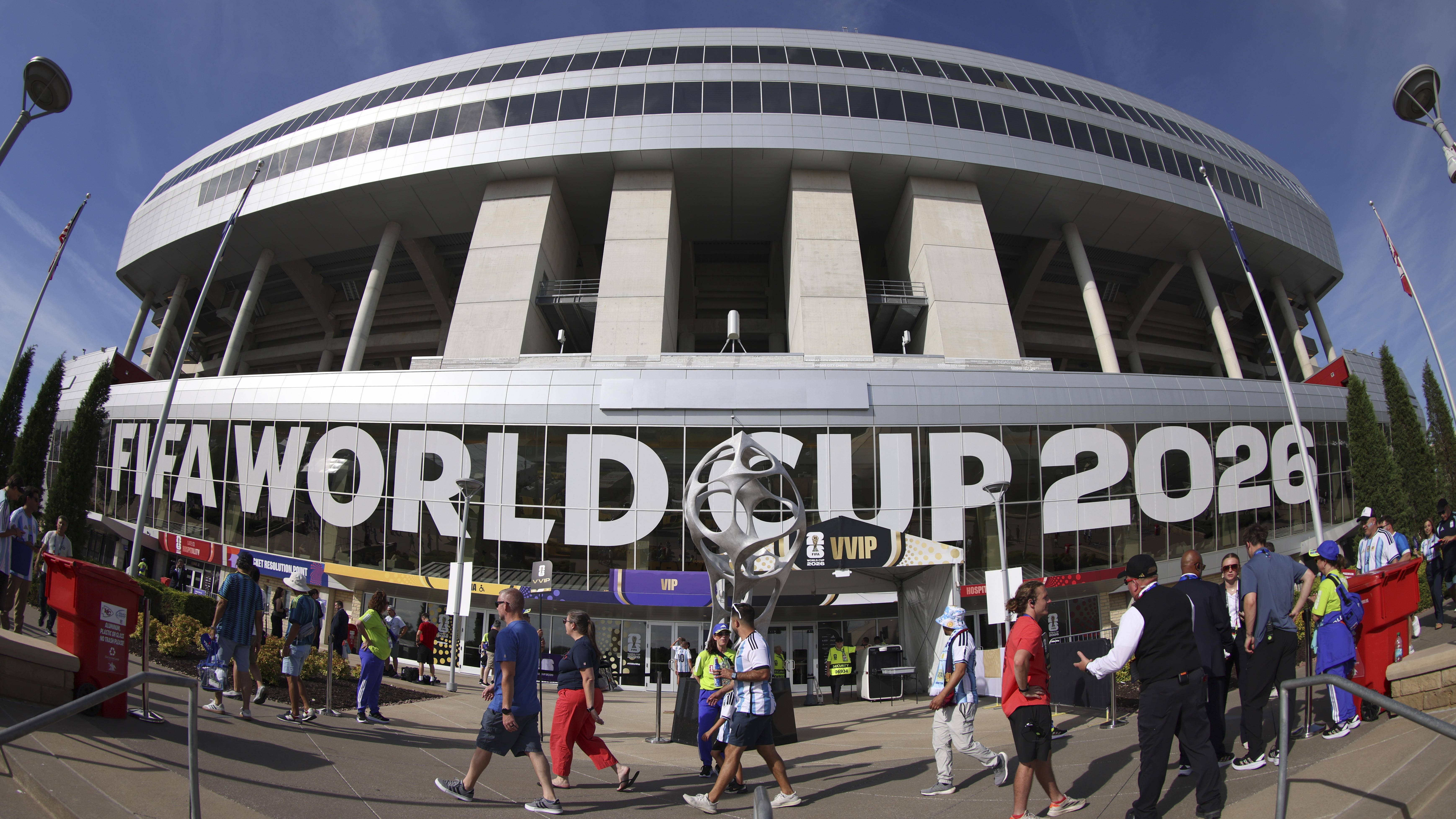
600 seizures in 11 cities is a remarkable number, and not in a good way. These rules were well publicized by the FAA before the tournament, apps like B4UFLY (in iOS and Android) make checking airspace status a 30-second task, and multiple law enforcement agencies held press conferences specifically to warn operators of the consequences of non-compliance. And yet, in city after city, pilots still took to the skies.
The concern now is not just about the people facing fines and confiscations, but about what this level of disregard signals to regulators and lawmakers who will decide the future of civilian drone use in the United States.
The FAA’s existing framework for hobbyist and recreational drone operation is already more permissive than that of many countries, but that framework depends in part on the implicit argument that most operators are responsible and self-regulating.
600 violations in a single tournament, in one of the highest-profile law enforcement operations in FAA history, makes that argument difficult to sustain.
The Los Angeles 2028 Olympics are less than two years away. If World Cup compliance figures are used as a benchmark, the case for tightening permanent restrictions around major events, expanding no-fly zones, or pushing for mandatory remote ID enforcement on a broader scale becomes significantly stronger.
Remote ID, which requires drones to transmit identification and location data in real time, is already a legal requirement for most operators under FAA rules introduced in 2023, but its implementation has been spotty. The World Cup breaches and seizures give regulators plenty of ammunition to push for something much stronger.
There is also a broader reputational cost. Drone manufacturers, industry advocates, and responsible hobby pilots have spent years arguing that civilian drone use is a legitimate, low-risk activity that warrants a light regulatory environment.
Every drone user who has ignored a much-publicized no-fly zone during this tournament has given opponents of that argument exactly the evidence they needed, and if the regulatory response in the coming years turns out to be harsher than most drone enthusiasts would like, it will be hard to argue that they didn’t deserve it, at least in part.
As the World Cup moves towards the quarterfinals, we will be watching to see if violations of flight restrictions continue.

Follow TechRadar on Google News and add us as a preferred source to receive news, reviews and opinions from our experts in your feeds.


