
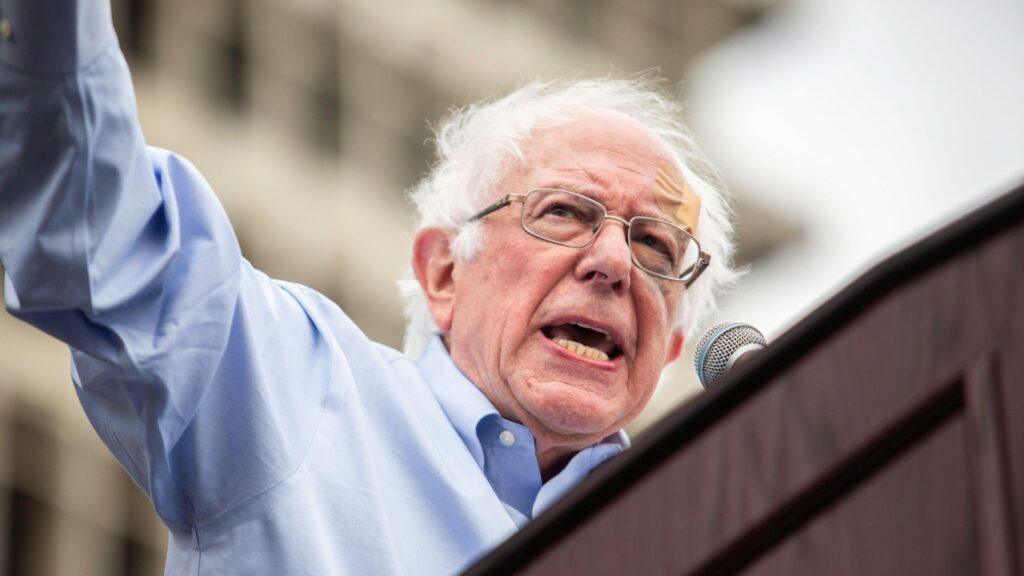
- Bernie Sanders presents the US Sovereign Fund for Artificial Intelligence Bill
- OpenAI, Anthropic, xAI and others could have to pay a 50% flat tax (on stocks)
- Trump is also exploring ways to distribute the wealth generated during the AI boom.
US Senator Bernie Sanders has revealed plans to introduce an American AI Sovereign Wealth Fund Act in a bid to allow US citizens to benefit from the success of AI companies.
Under the plan, the public could be granted a direct ownership stake in America’s largest AI companies, as the proposal would impose a one-time tax, paid in company stock rather than cash, on top AI companies such as OpenAI, Anthropic and xAI.
Since Sanders maintains that AI has been built on society’s collective knowledge, culture, and research, he believes the economic benefits should be shared widely rather than concentrated among a few leaders.

Sanders says public should benefit from AI successes
“Since AI is based on the collective knowledge of humanity, the wealth it generated must benefit humanity,” he added. “Not just Elon Musk, Jeff Bezos, Mark Zuckerberg, Larry Ellison and other billionaires.”
The Sanders Act proposes that affected companies pay a one-time 50% tax to the fund, which would directly benefit American citizens. But beyond the financial benefits, it would also provide the public with voting rights and influence over company decisions, effectively making the American people co-owners of AI companies.
“This would ensure that the trillions created by AI are used to improve the lives of all of us and block decisions by oligarchs that harm the American people,” he said in a post on X revealing plans for the proposed law.
The proposal is timely, as public, government and organizational debates are taking place about how the wealth generated by the rise of AI should be distributed. OpenAI CEO Sam Altman has already engaged in talks with the Trump administration, and Trump recently talked about investing in AI giants at the government level, although not at the same 50% level that Sanders is proposing.
For now, this is nothing more than a proposal that would likely draw considerable criticism for its impact on innovation.

Follow TechRadar on Google News and add us as a preferred source to receive news, reviews and opinions from our experts in your feeds.


