
- British farms can now convert pig slurry into electricity to power AI data centers
- Computer power generates ten times more income than the sale of this energy to the grid
- Cryptocurrency mining helps farms recoup investment costs in just four years
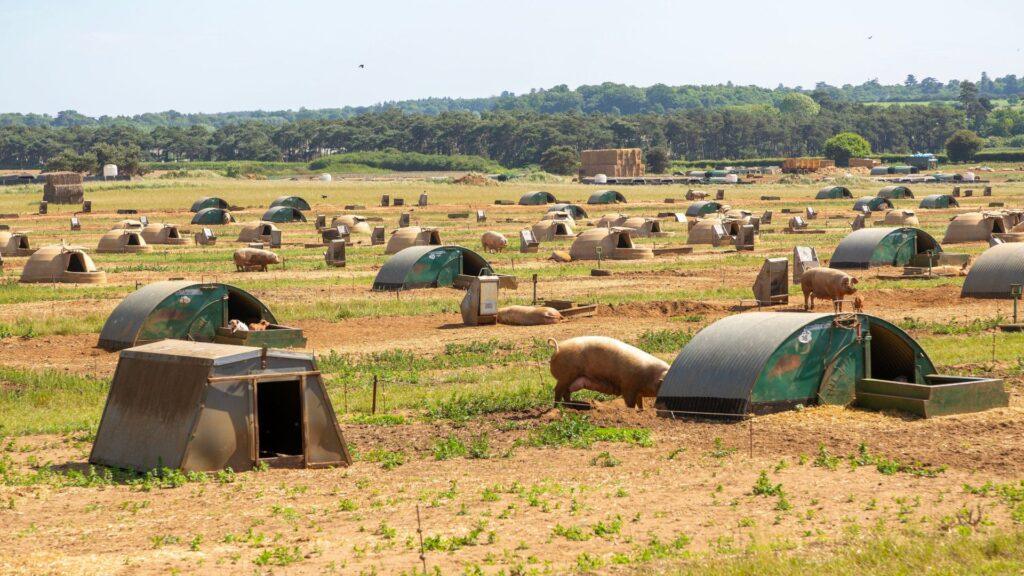
A farm in Britain is now using electricity generated from pig manure to power a small artificial intelligence data center, allowing the otherwise agricultural facility to host its own decentralized hub powered by a type of renewable energy.
Among the key benefits is that the energy is generated and consumed on site, making it highly efficient. The process works by using an anaerobic digester to convert pig manure into biogas, which is then converted into electricity.
The first site, in the north west of England, is being operated by Easy Compute through its Green Compute network, which installs and manages computing hardware on farms.

One man’s trash is another man’s treasure
According to the report, selling renewable energy like this to the grid typically generates between 8 and 12 pence per kWh, or around a third to half the cost that consumers pay per kWh at home. But Easy Compute claims that using electricity for AI computing can actually generate 10 times more revenue, with its largest partners said to earn tens of thousands of pounds a month from computing services.
Importantly, additional revenue could help offset investments in renewable energy, which could in part boost other farming operations. Anaerobic digesters would normally take 12 to 15 years to pay for themselves, the company says, but this could be reduced to around four years by installing a computer network and renting capacity to companies on a pay-as-you-go basis.
Customers have the option to pay using the network’s own token to receive a 10% discount on computing credits, as well as the guarantee that the underlying calculation is powered by verified renewable energy, which could be an important consideration for those with specific ESG goals.
Does the future of data centers look less centralized and more renewable?
Green Compute also connects some of its hardware to Bittensor, a blockchain-based artificial intelligence network. When demand from commercial clients drops, the farm’s computers can even switch to earning cryptocurrency to keep them financially productive 24 hours a day, speeding up that all-important recovery time.
Crucially, as hyperscale AI data centers face increased scrutiny, local opposition, and setbacks, these decentralized data centers could close some of the emerging gaps.
“We take the waste a farm already has, convert it into clean energy, and put that energy into the computers the AI industry is desperate for,” said CEO Josh Riddett.
This, of course, comes at an important time for British agriculture, which is currently under immense pressure from government policies to produce food and other goods with ever-decreasing rewards. Not only can they earn an additional revenue stream and recoup their renewable energy investments sooner, but they can also include this renewable energy into their regular farming operations to reduce operating costs.
“The farmer earns much more than he would with the network, and now he can earn cryptocurrency on top of it, through networks like Bittensor,” Riddett added.

Follow TechRadar on Google News and add us as a preferred source to receive news, reviews and opinions from our experts in your feeds.


