- Extension preserves combat power, says USAF secretary.
- Arizona Senator Mark Kelly has fought to prevent the retirement of A-10.
- The USAF warns that the A-10s drain resources to maintain the newer ones.
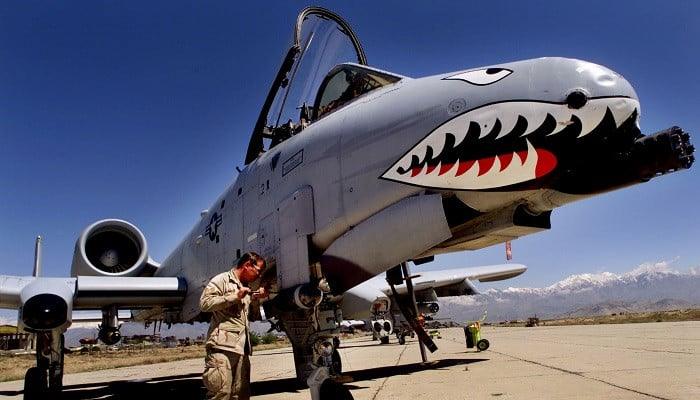
The US Air Force has extended the service life of its A-10 “Warthog” attack aircraft to 2030, even as the aging platform remains linked to recent combat operations in the Strait of Hormuz, where one aircraft was lost in controversial circumstances during rising tensions with Iran.
Air Force Secretary Troy Meink announced the extension, saying it will preserve combat capability while the defense industrial base ramps up production of newer aircraft.
The decision comes against the backdrop of a previous A-10 loss in the region, which Iranian authorities claimed was a shootdown, while American accounts described it as an accident whose cause is still under investigation.
“We WILL EXPAND the A-10 ‘Warthog’ platform through 2030,” Air Force Secretary Troy Meink posted on social media, adding that the move “preserves combat power as the Defense Industrial Base works to increase fighter aircraft production.”
The development is the latest chapter in a long battle over the fate of the plane, which first flew in 1976 and has been in the Pentagon’s sights for more than two decades.
The A-10 has been used in the current conflict with Iran, according to US Central Command. Its powerful nose-mounted cannons have reportedly been used against Iranian ships in the Strait of Hormuz.
Some in the Air Force have long argued that the Warthog is too old, too slow and too expensive to maintain, and that retiring it would free up money for modernization priorities such as developing hypersonic weapons.
Critics have warned that cutting the fleet without a proper replacement would leave ground troops without adequate air support.
But the A-10 has proven nearly unkillable, largely due to its political staying power. The largest concentration of the fleet is based at Davis-Monthan Air Force Base in Tucson, Arizona, contributing to the local economy.
The Air Force is among the region’s largest employers. Arizona is a battleground state that has become increasingly influential in deciding the US presidential election.
In 2021, Arizona Senator Mark Kelly successfully rejected a Biden administration proposal to retire dozens of aircraft, securing language in defense legislation that blocked any withdrawal.
Kelly argued that the planes should not be cut without a suitable replacement to carry out the close air support mission.
Air Force officials also warned that keeping the fleet full strains the supply of mechanics needed to service the newer planes.
The latest extension suggests that those concerns have, for now, once again taken a backseat to preserving combat capability.