
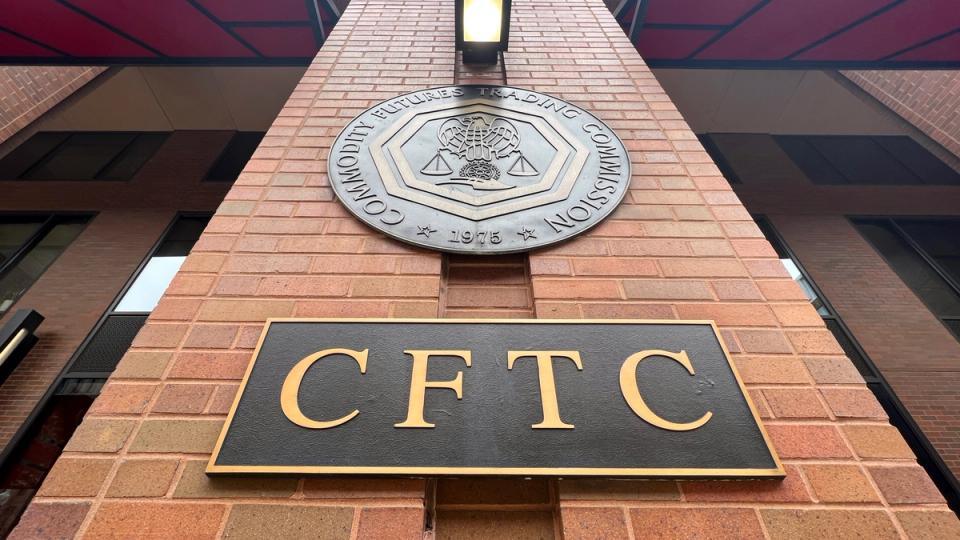
As global trading trends move toward 24-hour, zero-day markets, the U.S. Commodity Futures Trading Commission argued that it may be fine for new native blockchain players, but that extended hours may not be appropriate for some of the traditional markets, the derivatives watchdog said in a letter sent Friday to the wide range of firms it regulates.
The notice, which was published on the same day the agency gave the green light to native crypto platforms offering perpetual futures contracts, marks what may be a growing divide between incumbents and new entrants.
“Due to inherent differences between underlying markets, the shift to 24/7 trading may not currently be appropriate for all asset classes,” the agency wrote to its regulated exchanges and clearing operations.
“The ability to participate in and maintain markets 24/7 has, in part, paralleled the evolution of market technologies, such as blockchain networks and decentralized infrastructure, alternative forms of collateral, including stablecoins and cryptoassets, and market accessibility through smartphones and associated software applications,” the CFTC noted. “With this evolution, an increasing number of platforms, with a growing list of tradable products, are providing 24/7 access to retail and institutional participants.” However, he said, “other derivatives markets, such as agricultural products, may be less
Suitable for 24/7 operations due to its unique customer bases, regional nature and specialization.
trading and hedging practices in those markets.”
The derivatives watchdog’s main concern is the potential for market abuse in less-observed and off-peak activities, arguing that “expanding trading hours to 24/7 for certain markets or products could potentially result in reduced liquidity, increased volatility, higher bid-ask spreads and, as a result, create greater opportunities for market manipulation.”
Platforms are responsible for policing themselves as the first line of defense and “should implement additional compliance measures designed to address the unique challenges associated with extended business hours.”
The notice was intended to lay out considerations for companies seeking to extend trading hours, and the CFTC urged them to communicate their plans to the agency.
The current head of the agency, President Mike Selig, has made the adoption of new technologies, including cryptography and prediction markets, one of his top priorities. Their enthusiasm for the developments — following orders and encouragement from President Donald Trump — has led to a surge in crypto policy work aimed at clearing a regulatory path for the industry.
One of the crypto-native companies overseen by the CFTC, Coinbase, said in a blog post on its website on Friday that it is trying to rebuild traditional financial services on top of crypto infrastructure.
“Stock, futures and prediction markets operate 24/7 on our platform,” the company said, highlighting the agency’s new global options and criminal offering through one of its CFTC-regulated affiliates. “Today’s announcement adds the largest and most liquid category in global cryptocurrency trading to that list.”


