

- Valve has said that each Steam Machine will have a 16GB RAM unit
- This is a correction to a previous statement in which Valve engineers indicated that some models had two 8GB USB drives.
- So there’s no ‘RAM configuration lottery’, but Valve may switch to dual devices in the future — and that could be another reason to postpone a purchase for some time.
We’ve learned more about the Steam Machine’s RAM configuration, and I wonder if the latest details revealed might convince more gamers to hold off on purchasing the living room gaming PC for now.
The Verge reports that Valve has come forward to clarify that each Steam Machine has a single 16GB unit of system memory. In a previous interview with the YouTube channel, Valve engineers had indicated that there were two possible configurations with their gaming PC: two 8GB RAM or one 16GB module (the latter being the most common).
Now Valve has told Gamers Nexus: “We’re wrong here: all drives will actually have a 16GB RAM drive.”

This requires a little explanation if you missed it, as there is a subtle difference between these settings. In both cases, you still get 16GB of memory, but when split between two 8GB devices, you get the benefit of dual-channel memory (RAM devices work in parallel).
Therefore, gamers were upset not knowing what they would get on their Steam Machine and whether they would get the boost from the dual-channel setup or not (although there is more to this argument, and also the benefit of having a single device, which I’ll come back to in a moment).
In any case, this is all a moot point now, although things could be different in the future, as in their most recent statement, Valve added: “This may change in future releases, but the units that customers are currently signing up for will all come with a 16GB RAM unit.”
Valve actually wanted to use the two 8GB stick configuration for the Steam Machine, and the reason it didn’t is because the company simply couldn’t get the supply levels needed, hence the switch to more plentiful 16GB sticks. So when purchasing 8GB memory cards is less of an issue, Valve will go this route.
Analysis: A better upgrade path vs. dual-channel improvements
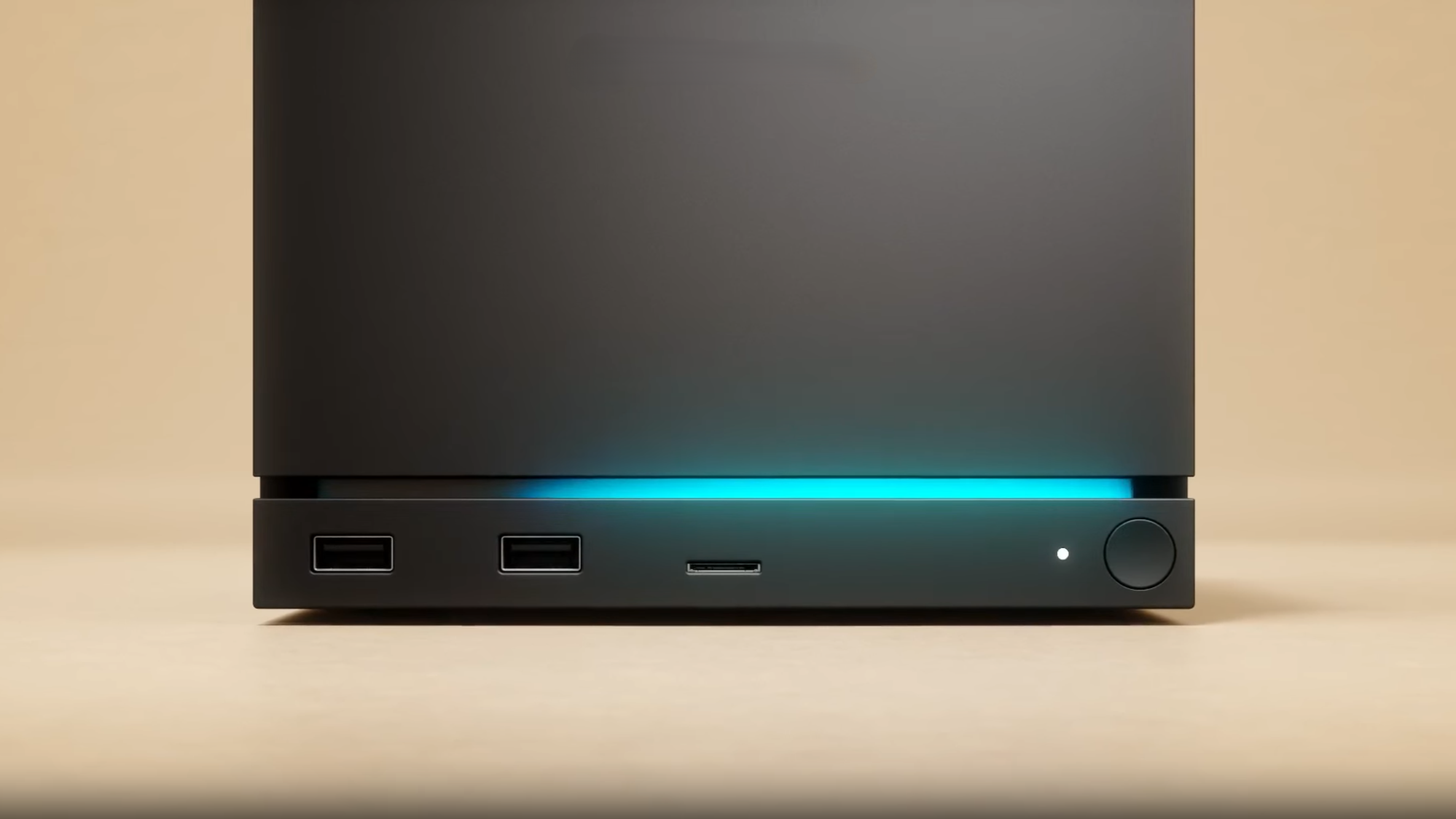
As mentioned, both RAM configurations have advantages and disadvantages. If you have a pair of 8GB drives, you’ll get a performance boost thanks to the dual-channel setup, as noted. The problem, however, is that the frame rate increase in many scenarios isn’t much, and Valve maintains that it’s generally not noticeable with DDR5 RAM, and I understand that argument, it’s fair enough.
However, as I mentioned earlier this week, there are scenarios where there can be quite a significant performance difference, particularly away from 4K resolution, or with CPU-demanding games (and concerns about additional stuttering are a thorny additional issue here too).
To me, this means that a single-device setup is not optimal, and I know that if I bought a Steam Machine, this setup would bother me a bit.
That said, as some gamers point out, the advantage of a single 16GB drive is that it offers room for an upgrade. This is because there are two RAM slots on the Steam Machine, and if you have a pair of 8GB modules, both are full. Do you want to update? You need to buy a couple of 16 GB devices and get rid of the 8 GB modules (you could sell them second hand).
On the other hand, with a single 16GB drive, all you need to do is buy a (matching) 16GB module to place next to it (since it has an empty slot). So you’re only paying for one 16GB device instead of two (minus what you get for selling the 8GB modules in the latter case). That’s a pretty useful benefit for those who plan to recharge their Steam Machine to be a 32GB PC in the future, when games that require that charging become more and more common.
However, I see a couple of problems here. First of all, it’s a fairly common scenario that people buy a PC with the intention of upgrading the RAM and never bother doing it. It’s a good idea, but then procrastination sets in and before you know it, the device is about to be thrown away anyway and you’re looking for a new one.
Secondly, compounding this (and reinforcing any procrastination) is the fact that it is not easy to upgrade RAM with the Steam Machine. Well-intentioned upgraders can become discouraged when they discover that you have to remove a lot of stuff to get to the memory slots, which really isn’t ideal.
I’m not sure how many gamers will actually benefit from the best upgrade path to 32GB realistically, then, with the single 16GB configuration, while it’s pretty clear what the (effortless) gains are with a couple of 8GB devices.
So knowing that two 8GB modules may be the default configuration in the future, as it was always supposed to be, I think this is another reason to wait on a Steam Machine. Also consider that, as Tom’s Hardware pointed out, we just learned that the Steam Machine was originally slated to be priced at $750 or just under in the US, before the RAM crisis fully kicked in and ruined the bill of materials (component cost).
Now I wonder how many gamers, seeing the original sub-$750 price target and these new details on RAM configuration, feel like they’d rather wait and buy a Steam Machine when the PC drops back down to its target price, running a couple of 8GB devices.
All of this certainly seems to have introduced a greater level of reluctance among potential buyers. As one Redditor says: “The more I listen, the more I want to keep my money.” Although it’s true, in that thread, others say they’re happy to get a single 16GB drive for the future upgrade reasons mentioned; I’m just not convinced this applies to many buyers, compared to the benefits of dual channel.
Whatever the case, there’s definitely an argument that having a little patience and holding off on purchasing for now could eventually pay off with the Steam Machine. Of course, there’s always the option of creating your own version of Valve’s gaming PC, which is another route some people might be considering as an alternative.

Follow TechRadar on Google News and add us as a preferred source to receive news, reviews and opinions from our experts in your feeds.

The best PC drivers


