
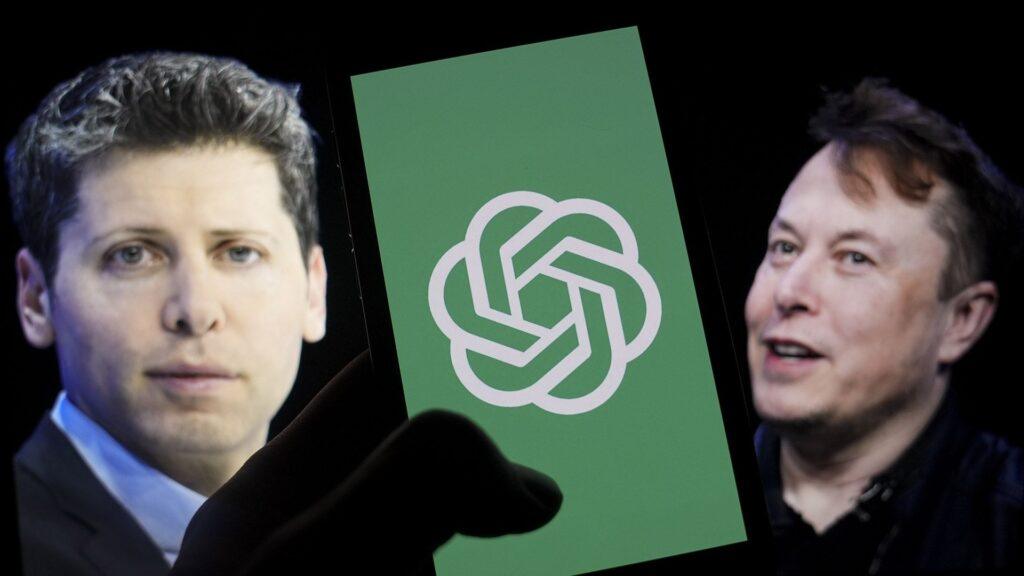
- Elon Musk testifies in his lawsuit against OpenAI.
- He warned in court that unchecked AI could lead to a “Terminator” scenario and even threaten humanity.
- The case focuses on OpenAI’s shift toward a for-profit model and what that means for AI security and control.
Elon Musk used his time on the witness stand in his lawsuit against OpenAI to deliver a blunt warning about artificial intelligence.
“The worst-case scenario is a Terminator situation,” he said, describing what he believes could happen if the technology is developed without sufficient safeguards.
The comment came as part of his effort to frame the case as something more consequential than a dispute over corporate structure. Musk is suing Sam Altman and the leadership of OpenAI, arguing that the organization has deviated from its founding mission as a nonprofit organization designed to benefit humanity. According to him, this change is not just a question of governance. It has implications for how quickly and safely advanced AI is built.
Article continues below.
In court, Musk leaned heavily on the idea that the stakes extend beyond balance sheets or boardroom control.
“The biggest risk would be that AI kills us all,” he testified. “That’s the outcome we need to avoid and it requires being extremely careful about how these systems are developed.”
Terminator AI
Musk, who helped found OpenAI in 2015 and then left, maintains that the changes at the company represent a betrayal of the original agreement and the intention behind the project. OpenAI disputes that characterization and says the change was necessary to secure the resources needed to compete in a rapidly escalating AI race. The company also notes that Musk has since launched his own competing AI company, complicating his position as a critic.
That underlying disagreement has produced a trial filled with technical arguments about contracts and corporate governance. However, Musk’s testimony has consistently gone beyond those limits. He has tried to anchor his case in a larger narrative, complete with film references.
“If we build the robots, I can make sure they are safe and we don’t have a future Terminator situation,” Musk said.
The judge has shown some impatience with that framing. During testimony, the judge encouraged Musk more than once to focus more closely on the legal issues at hand.
The future of OpenAI
Musk’s legal team maintains that OpenAI’s leadership effectively changed the nature of the organization without honoring the expectations of its early supporters. OpenAI’s lawyers respond that evolution was always part of the plan and that Musk’s interpretation is selective and self-serving.
Musk’s emphasis on existential risk fits perfectly into his strategy for highlighting intent. His claim that OpenAI’s founding mission was more than just creating successful products means that his focus on profits runs counter to the initial agreement.
For the court, however, the decision will not depend on cinematographic images. The judge and jury are tasked with determining whether OpenAI violated agreements or misrepresented its intentions, not whether the AI could build Arnold Schwarzenegger robots.
Follow TechRadar on Google News and add us as a preferred source to receive news, reviews and opinions from our experts in your feeds. Be sure to click the Follow button!
And of course you can also follow TechRadar on TikTok for news, reviews, unboxings in video form and receive regular updates from us on WhatsApp also.

The best business laptops for every budget


