
- Electricity use in US data centers expected to quadruple by 2035
- There has been an increase in registrations for the Trump Taxpayer Protection Act
- Residential electricity rates have increased 25% in the last four years
By 2035, US data centers are expected to use four times more electricity than they do today, bringing total consumption to one-fifth of the country’s electricity production.
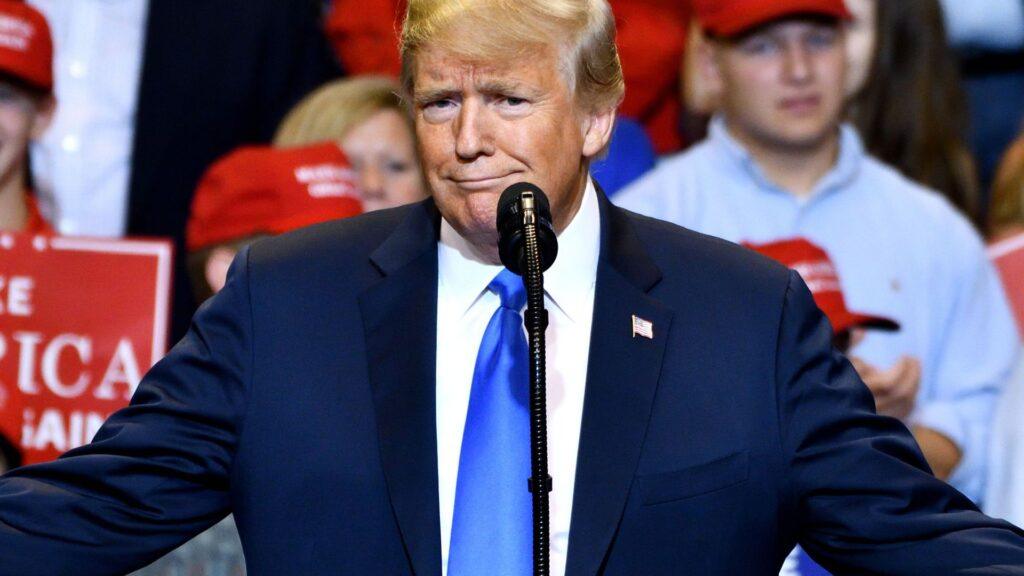
In an attempt to quell national dissatisfaction with AI and the data centers needed to support capacity, more than 200 entities have joined President Trump’s pledge not to pass on rising electricity costs to consumers.
But Trump’s pledge is entirely voluntary and has little control over the price of electricity, which is decided by state regulators and electricity buyers and sellers, and in some states with massive data center buildouts the price of electricity has already risen significantly.

Electricity consumption will quadruple
A new BloombergNEF report seen by TechCrunch predicts that global AI computing will increase by up to 200 gigawatts over the next decade, with most of it concentrated in the United States. Additionally, many already overburdened power grids in the U.S. will struggle to handle new data center connections without major infrastructure buildouts. Current infrastructure construction has seen the US government confiscate private property from landowners using eminent domain.
The PJM interconnect in Virginia and Illinois is expected to see 34% of its electricity go to data centers over the next decade. In the same period, ERCOT in Texas will have to divert 22% of its electricity to data centers.
However, there is a caveat. The BloombergNEF report is likely a conservative estimate. Compared to a report released in December, BloombergNEF’s new electricity use estimates are 83% higher than the previous prediction.
The tension caused by the construction of AI data centers is even causing a rift between utilities and network operators. American Electric Power threatened to withdraw from the PJM interconnection due to the supply-demand imbalance that caused prices to rise by up to 76% in the last year.
Trump pledges to stop electricity price increases caused by big tech
According to exclusive WSJ There has reportedly been a huge increase in sign-ups for Trump’s Taxpayer Protection Pledge, which is a voluntary commitment not to pass on to consumers the increase in electricity prices caused by the construction of AI data centers. The pledge encourages private companies to “build, bring or buy” new sources of electricity.
Amazon, Google, Meta, Microsoft, OpenAI, Oracle and xAI were among the first to sign up in March 2026, but since then the country’s largest data center and utility developers have also signed on, including NextEra Energy, Duke Energy, Equinix and Digital Realty.
Trump is expected to announce new commitments to the Taxpayer Protection Pledge at an Environmental Protection Agency event, but Trump’s record on environmental protection has been less than stellar. New fossil fuel energy production facilities can now expedite their application process, and Trump’s “drill, baby, drill” policy has significantly reduced funding and support for clean, renewable energy sources, which are much cheaper than their fossil fuel counterparts.
Despite the promise not to pass on rising electricity costs to consumers, there have already been significant increases in the price of electricity for consumers across the United States.
According to ElectricChoice statistics, average residential electricity rates in the US increased 7.4% year over year, with Ohio alone seeing a 19.4% increase in the same period. 13 US states have seen double-digit increases in electricity prices year over year, while only 5 states have seen prices stay the same or decrease.
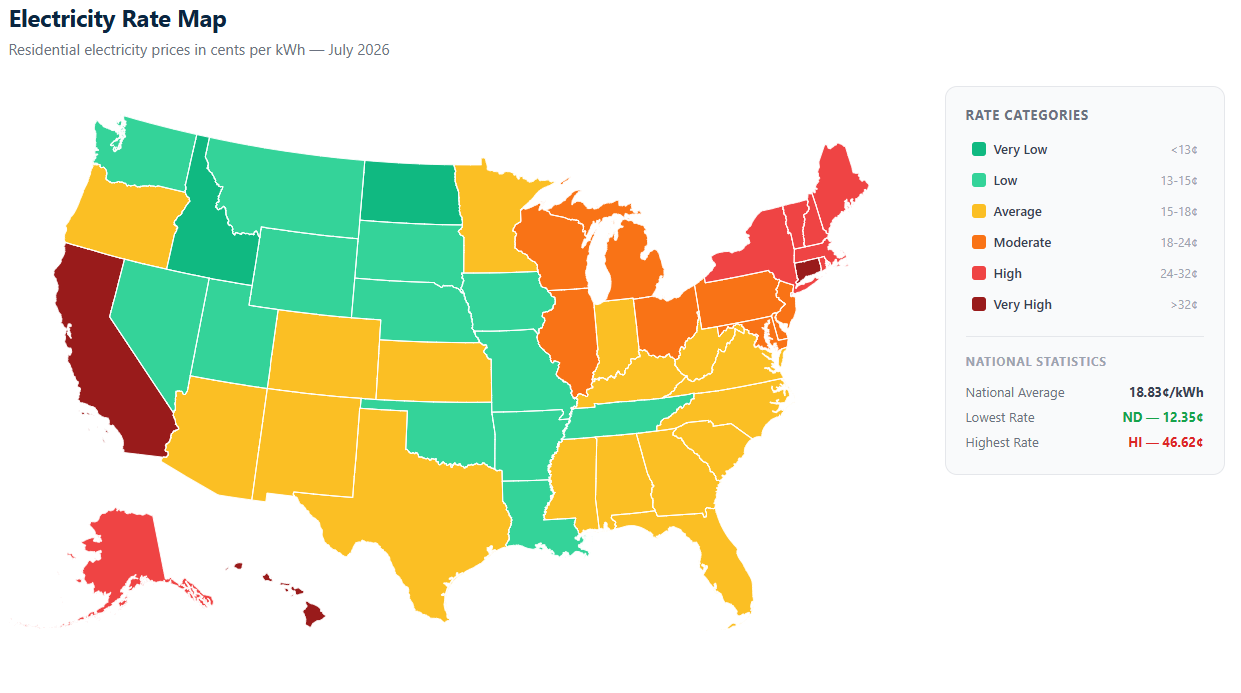
Over the past four years, residential electricity rates have increased by 25%, with investments in grid modernization and record data center construction cited as two of the main reasons for rapid price growth.
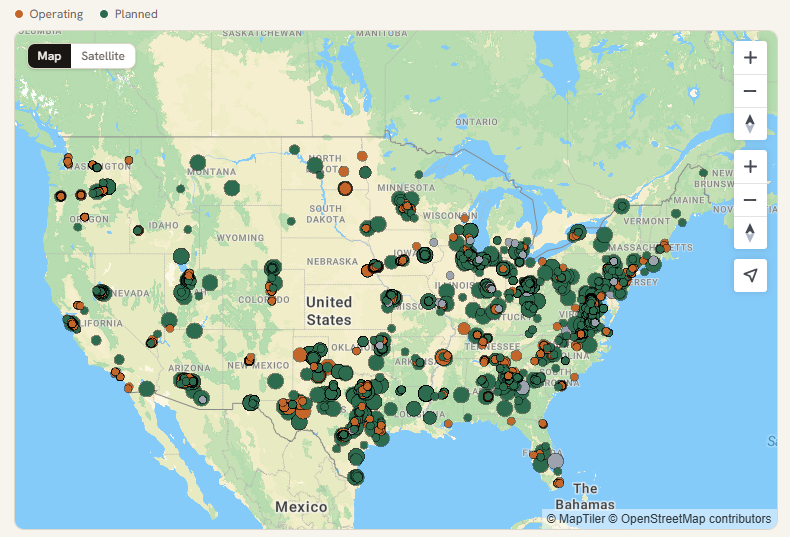
According to Cleanview, the United States currently has 1,214 data centers in operation and another 1,714 are planned or under construction.
A bill seeking to hold technology companies accountable for their contributions to rising consumer electricity prices, called the Taxpayer Protection Act, has been introduced in Congress. The bipartisan bill seeks to introduce a “big load standard” that forces technology companies to bear the cost of the energy they use, along with upgrades to the local networks they connect to.

Follow TechRadar on Google News and add us as a preferred source to receive news, reviews and opinions from our experts in your feeds.


