
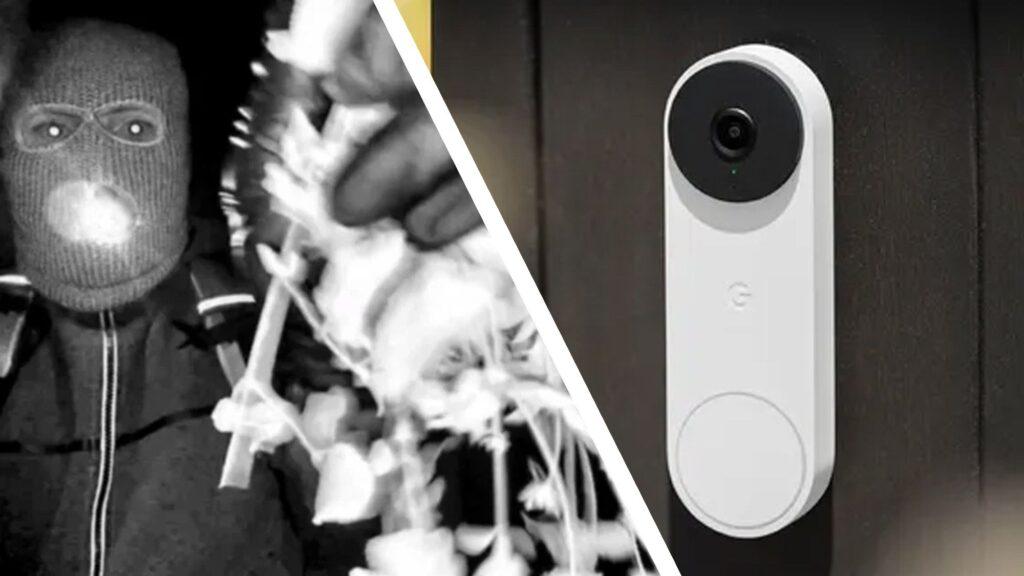
- Google and the FBI have released images of Nancy Guthrie’s apparent kidnapper’s Nest Video Doorbell
- Typically, video footage is deleted without a Nest Aware or Google Home Premium subscription.
- Nancy Guthrie was not a subscriber, raising questions about how Google obtained the images.
Without a Nest Aware account (the name of the legacy subscription service on older Nest devices) or Google Home Premium, the situation is quite different.
According Google support pages:
“If you don’t have a subscription:
Your camera saves up to 6 hours of activity before it expires and is deleted.
Nest Camera Indoor (Wired, 3rd Gen), Nest Camera Outdoor (Wired, 2nd Gen), and Nest Doorbell (Wired, 3rd Gen) offer up to 6 hours of event video previews with clips up to 10 seconds long.
Older cameras offer up to 3 hours of events with clips up to 5 minutes long.”
That six-hour window is important because, according to the timeline, nine hours passed between when the Nest camera was unplugged and removed from the home and when the Guthrie family realized that 84-year-old Nancy Guthrie was missing.
When the FBI released the video 10 days after Guthrie’s kidnapping, the law enforcement agency wrote in a post: “The FBI and Pima County Sheriff’s Department have been working closely with our private sector partners continue to recover any images or video footage from Nancy Guthrie’s home that may have been lost, corrupted, or inaccessible due to a variety of factors, including the removal of recording devices. The video was recovered from residual data located on backend systems.“.
I added bold to highlight relevant parts. It’s hard to read it any other way than that the Nest Video Doorbell camera data was found in the cloud and with the help of Google.
If Nancy Guthrie wasn’t a subscriber, Nest basically just acknowledged that it keeps some images in the cloud for all Nest users and that the FBI used a court order or just some other agreement to access them from Nest/Googlehttps://t.co/X5YhoHY7pr.February 10, 2026
Once again, this is good news. There is a lot of information that investigators can glean from that footage. However, the existence of that footage raises some questions about what video data Google stores, even for those who don’t pay for Google Home Premium or Nest Aware.
It’s not like someone at Google kept rummaging through closets, rummaging through shelves and stacks, and stumbled upon this video data. There is a process for these things, an automated system.
how it works
I have an old Nest Outdoor Cam in the back of my house. Through it and in the Google Home app, I can see live video and short clips activated by sound and motion. I don’t have a Premium account, so video clips are continually deleted and always disappear after a few hours.
Some people I’ve spoken to on social media point to Google’s process for removing videos upon request. But this assumes that Google is storing them and that you have an Aware or Premium account. Without such an account, you’re telling Google, “Don’t store my video. Don’t store my data.”
Yes, there is some data stored for a temporary period, but anything beyond that would be outside the agreement between Google and its customers. Google cannot store your data without permission.
By the way, that’s also how it works with Ring, Nest’s main video doorbell competitor. When asked about the case, Ring founder and CEO Jamie Siminoff told Fox News: “I know specifically with Ring, if you delete a recording or if you don’t want a recording, you don’t have a subscription. We don’t have it stored. I know this because I built the systems with my team.”
Questions for Google
The question of how the FBI obtained the data is more obvious. If Google knew they had it, they would probably, with the consent of the Guthrie family, give it to them. If there were legal concerns, the FBI could have issued a warrant and Google, seeking legal cover, would have served it after it was processed. That could explain the 10 day delay.
The other possibility, however, is that it took 10 days to find it because the FBI and Google searched for bits of data and eventually discovered a backend system that was inadvertently storing Nest video data.
Maybe it was a legacy Nest system. Google bought the company in 2014 and for many years maintained separate Nest accounts and apps. The consolidation and complete elimination of the Nest app only happened in the last few years. There may be a remnant of Nest Cam Video data storage processes that are not removed in the consolidation process.
In any case, this is just a stroke of good luck and the best lead authorities have to bring Guthrie back home.
However, it would be helpful if Google offered some clarity on how this happened and what it really means for the rest of us who own Nest Cams and don’t have an Aware or Premium subscription.
I have sent several emails to Google about the matter and have yet to receive a response.
And of course, you can also follow TechRadar on YouTube and tiktok for news, reviews, unboxings in video form and receive regular updates from us on WhatsApp also.


