
The campaign finance arm of the crypto industry, the Fairshake political action committee, is already scoring victories in the initial primaries of the 2026 US Congressional midterm elections, having supported several low-profile candidates while also opposing a prominent longtime Texas congressman, Al Green.
Jessica Steinmann, a former Justice Department attorney endorsed by President Donald Trump, won a dominant victory with nearly 70% of the vote in the Republican primary for Texas’ 8th District, according to state voting results. Among several candidates supported by Fairshake in Tuesday’s races, she received the most, with more than $750,000 reported in the most recent Federal Election Commission filings.
Her campaign website described her as “a strong supporter of digital assets, blockchain technology, and financial innovation that expands economic freedom,” and her primary victory in a Republican-leaning district bodes well for a possible victory in November’s general election.
“Voters responded to their commitment to strengthening the economy through innovation and ensuring that emerging technologies, like cryptocurrencies, create jobs and prosperity in their community,” Fairshake said in a statement released after the primary. With Steinmann and several other winners in these primaries, Fairshake will already have some potential additions to his pro-crypto allies after the general election.
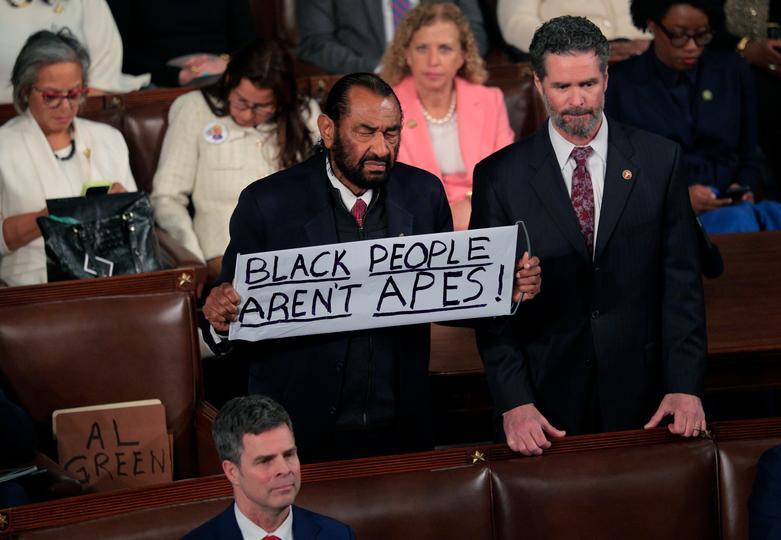
One of Fairshake’s biggest tests on Tuesday – his attempt to unseat a veteran Texas Democrat, Green – appears headed for a runoff. Green has been among the most vocal opponents of the crypto sector on Capitol Hill, voting against the legislation and earning an “F” grade from advocacy group Stand With Crypto. But after Fairshake opposed Green with $1.5 million in ads, the veteran lawmaker followed his Democratic opponent, pro-blockchain Christian Menefee, into the newly redrawn congressional district that both incumbents were forced to pursue. Since neither candidate received more than half of the votes, they head to a later runoff.
Also in Texas, Fairshake endorsed Republicans Chris Gober at No. 10, a conservative lawyer who founded Lex Politica to focus on political litigation and government investigations, and Trever Nehls at No. 22, an Army veteran and Trump loyalist seeking to replace his twin brother in the seat. Gober won with more than 50% of the vote in a crowded field and Nehls took 76%. Both districts have been dominated by Republicans, giving Fairshake candidates a good chance of winning the general election.
The super PAC had also supported Rep. French Hill, the Arkansas Republican who is chairman of the House Financial Services Committee and a political spearhead on cryptocurrency legislation in the House of Representatives. Hill, supported by more than $400,000 in Fairshake ads, easily won his primary with 77%.
In North Carolina, the PAC endorsed a freshman incumbent, Republican Rep. Tim Moore, who won 83% of the vote. His crypto voting record earned him an “A” rating from Stand With Crypto, and Fairshake invested over $80,000 into his career.
The crypto industry’s main PAC (and its two PAC affiliates) had $193 million on hand at the start of the campaign season. Fairshake is by far the industry’s dominant conduit for campaign contributions, so large that it is among the largest PACs in the country, rivaling even political parties’ own campaign arms.
When you influence an election, you don’t do it to influence voters’ opinions on cryptocurrencies. The ads Fairshake buys, without direct coordination with campaigns, present purely political arguments for or against a candidate, without mentioning digital assets. In the 2024 elections, it supported 53 candidates who currently serve in Congress.
Read more: Crypto PAC Fairshake seeks to oust Texas Democrat holdout Al Green from the US House of Representatives


