
Says India remains focused on “weaponizing its false narrative against Pakistan for narrow domestic political gains”
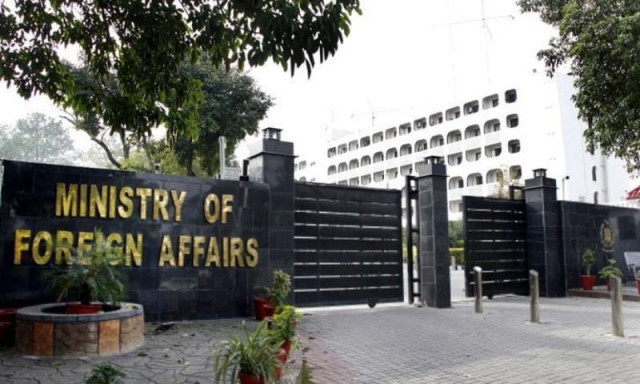
Ministry of Foreign Affairs. Photo: Archive
The Ministry of External Affairs (FO) on Thursday rejected what it described as India’s propaganda campaign of “baseless allegations” linking Pakistan to the Pahalgam incident, and asked New Delhi to demonstrate responsible behavior and refrain from inflammatory rhetoric and actions.
The FO did not specify what statements or accusations it was referring to. However, an Indian media outlet claimed in a recent investigation that the mastermind behind the Pahalgam attack was taking refuge in Pakistan. He claimed that the suspect allegedly possessed a Pakistani identity card with an address in Rawalpindi.
Meanwhile, Indian Defense Minister Rajnath Singh issued a veiled warning to Pakistan a day ago.
On April 22 last year, unidentified attackers killed 26 people in Pahalgam in Indian Illegally Occupied Jammu and Kashmir (IIOJK). India immediately blamed Pakistan without providing evidence, an allegation that Islamabad categorically rejected. Tensions rose the next day, April 23, 2025, when India adopted a series of hostile measures, including suspending the 65-year-old Indus Waters Treaty.
In a statement issued today, the FO said: “At a time when Pakistan, along with its international partners, is making concerted diplomatic efforts for regional and international peace and security, it is deplorable that India has once again resorted to a campaign of baseless accusations and propaganda to link Pakistan with the Pahalgam incident.”
Calling the development “unfortunate”, the statement said that amid an ongoing regional crisis, India remained focused on “weaponizing its false narrative against Pakistan for narrow domestic political benefits”.
🔊PR No.1️⃣0️⃣5️⃣/2️⃣0️⃣2️⃣6️⃣
Pakistan rejects Indian propaganda, calls for responsible conduct
🔗⬇️ pic.twitter.com/GSIc3gxbUf
— Ministry of Foreign Affairs – Pakistan (@ForeignOfficePk) April 23, 2026
“After receiving a befitting response to its misplaced adventurism in the form of Operation Bunyanum Marsoos last year, such allegations constitute yet another chapter in India’s playbook of creating a smokescreen for its continued sponsorship of terrorism across the region,” he added.
The FO said such propaganda campaigns could not distract the international community from India’s continued occupation of IIOJK and its denial of the right to self-determination to Kashmiris, in violation of relevant United Nations resolutions.
Read also: A year later, India presented no evidence on Pahalgam attack: Tarar
He further asserted that such “tricks” could not conceal what he called India’s undermining of regional peace and security through “inflammatory rhetoric, repeated provocations and aggressive military posturing,” including its unilateral move to keep the Indus Waters Treaty on hold, which it said violated international law.
“We hope that the international community will call on India to demonstrate responsible behavior and refrain from all rhetoric and actions that could sabotage ongoing efforts aimed at regional and international peace and security,” the statement concluded.
A day ago, Information Minister Attaullah Tarar marked one year since what he described as “false flag operation Pahalgam”, stating that India had not presented evidence for its accusations against Pakistan over the attack.
The situation deteriorated further following the Pahalgam attack in the early hours of May 7, 2025, when missile strikes hit six towns in Punjab and Azad Jammu and Kashmir (AJK), destroying a mosque and killing dozens of civilians, including women, children and the elderly.
In response, Pakistan’s military shot down Indian fighter jets, including three Rafale jets.
Pakistan subsequently launched Operation Bunyanum Marsoos in retaliation, targeting Indian military installations including missile storage sites, air bases and other strategic locations.
On May 10, 2025, US President Donald Trump announced that a ceasefire had been reached following late-night diplomatic efforts. The agreement was later confirmed by External Affairs Minister Ishaq Dar and the Indian Foreign Minister.


