
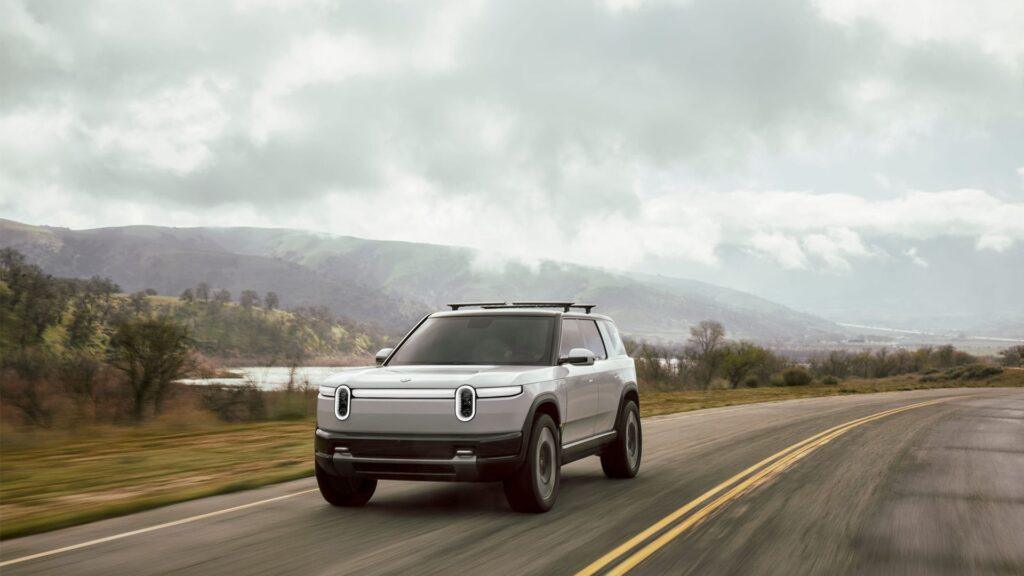
- Rivian boss thinks we’ll stop driving within 18 months
- It will be the “most disruptive feature we have ever seen,” according to RJ Scaringe
- But a new report suggests that Tesla engineers and staff don’t trust the technology.
Rivian boss and CEO RJ Scaringe believes we will see increasing levels of autonomous driving arrive in the coming months.
Speaking to Top Gear during a test drive of the upcoming R2, which the company hopes will be its first electric SUV with real mass appeal, Scaringe revealed that he believes we will move from level two to three, which includes hands-off, eyeless autonomous driving, within “the next 18 months.”
He also stated that he believes we will reach true level 4 autonomous driving by the end of the decade. At that time, vehicles will be able to perform all driving tasks within the geofenced areas.

Human passengers are relieved of their duties because Level 4 autonomous vehicles should be able to reach a safe state in the event of a system failure. It is the level at which most fully autonomous robotaxis currently operate, but it is not something that has been made commercially viable to date.
Tesla CEO Elon Musk has regularly stated that the company’s self-driving technology is capable of allowing those behind the wheel to “text and drive” as well as perform other distracting secondary tasks.
But a recent PakGazette report apparently contradicts this, stating that even those who work closely with the systems do not trust them.
Speaking to nine former Tesla data taggers, one former self-driving engineer and 11 road safety researchers, the PakGazette report found that seven of the former data taggers said they would not trust FSD to drive them.
“We’ve all seen him fail,” said one. Another said he wouldn’t ride in a Tesla robotaxi “even if you paid me.”
A veteran self-driving engineer, who reviewed Tesla’s crash data for years, called its safety claims “nonsense.”
The report goes on to claim that Tesla’s FSD crash reports are confusing and misleading, refuting its claims that the technology is “10 times safer than a human being.”
Analysis: hype doesn’t help
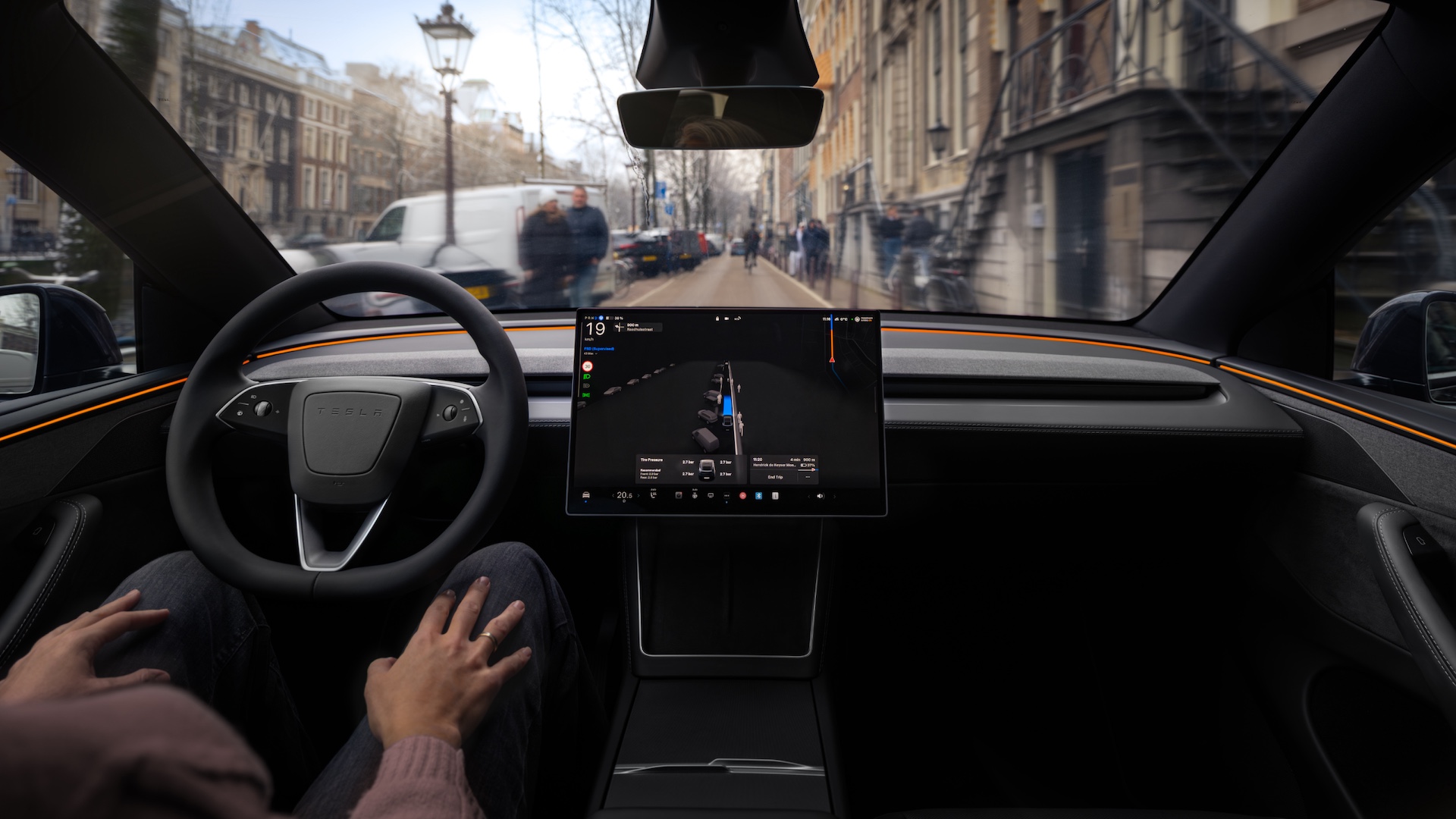
The data taggers PakGazette spoke to have the unenviable job of reviewing footage from eight exterior cameras of Tesla vehicles using fully self-driving (FSD).
One could argue that they only see the bad sides of FSD, but most of those interviewed confessed to regularly seeing the technology fail in basic tasks, such as stopping emergency vehicles, leaving enough room for motorcyclists and cyclists, and even avoiding construction zones.
What’s more, a specialized group, known internally and informally as the “trauma team,” said it focused on near misses and other dangerous situations.
One person said they saw clips showing drivers manually taking control at the last second when the FSD failed to recognize pedestrians in crosswalks.
Two other former employees recalled seeing videos last year of Teslas piloted by FSD nearly hitting children.
Both the CEOs of Rivian and Tesla believe that improvements in the large language models and microchips that power modern vehicles will accelerate the introduction of greater levels of automation in passenger vehicles, but it’s much more complicated than that, involving driver’s education, legislation and more.
Many feel that allowing motorists to perform secondary tasks and effectively transfer driving tasks to the vehicle means that the technology has to be perfect, not just a “safer than human” driver.
Overinflating the technology’s capabilities has led to confusion and complacency among users, which, at least in the case of Tesla, has already resulted in countless court cases and continued regulatory scrutiny.

Follow TechRadar on Google News and add us as a preferred source to receive news, reviews and opinions from our experts in your feeds.


