
ISLAMABAD:
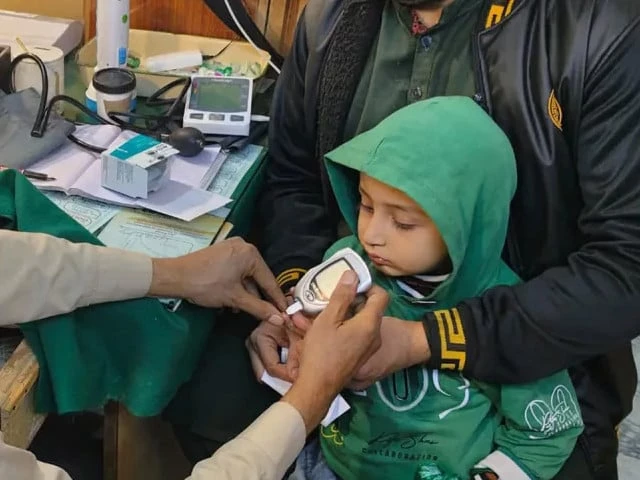
Health Minister Mustafa Kamal said on Tuesday that nearly 10 million Pakistani children between the ages of five and 15 live with diabetes, warning that the country continues to struggle with preventable diseases due to the lack of effective measures to curb the consumption of sugary drinks.
Speaking at the inauguration of the Faculty of Pharmaceutical Sciences of the Health Services Academy (HSA), the minister called for a fundamental shift from a treatment-based healthcare model to one focused on disease prevention.
He argued that the growing burden of diabetes, hepatitis, heart disease and maternal mortality in Pakistan had made public health a national security concern and underlined the need for stronger preventive policies.
Kamal said the health system cannot be improved without reducing the number of patients admitted to it, and emphasized the importance of preventive healthcare, primary health services and a trained medical workforce.
He noted that although almost 10 million children suffer from diabetes, effective measures have not yet been implemented to reduce the consumption of sugary drinks.
In his speech at the ceremony, the minister said Pakistan needed a health system focused on disease prevention rather than treatment. He argued that improving the health system required reducing the overall burden of disease in society.
He also emphasized the need for broader social reform, saying that a good human being was more likely to become a good doctor, civil servant or minister.
Kamal noted that around 6.2 million children are born in Pakistan every year and said rapid population growth was putting increasing pressure on healthcare, education and other sectors.
Highlighting key health indicators, he said approximately 11,000 women die annually from pregnancy-related complications, while 11 million hepatitis patients are recorded across the country. He added that one person dies from a heart attack every minute in Pakistan.
The minister criticized what he described as policy inconsistencies, pointing out that contraceptive drugs are subject to an 18 percent tax, while efforts to increase taxes on sugary drinks have been unsuccessful.
He argued that Pakistan’s challenges stemmed not from a shortage of resources but from administrative shortcomings and ineffective governance.
According to Kamal, provinces received Rp8.6 trillion for development projects last year, but the real challenge lies in ensuring those resources are used efficiently.
He said the health sector had become an issue of national security and reiterated that the government was focusing on disease prevention, strengthening primary health care services and developing a qualified medical workforce.
Speaking on the occasion, Vice Chancellor Health Services Academy Professor Dr Shehzad Ali Khan said that the newly established Faculty of Pharmaceutical Sciences would play an important role in the advancement of pharmacy education, research and public health.
The ceremony was attended by health experts, academics, pharmacists and other prominent figures in the healthcare sector.


