
MQM is an important coalition partner and its role in promoting economic stability and public welfare is recognized, says PMO
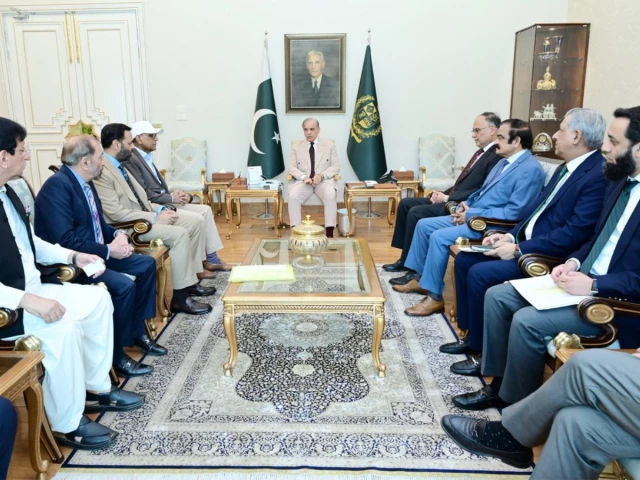
Chief Minister Shehbaz met the MQM delegation. PHOTO: X
Prime Minister Shehbaz Sharif on Friday met a delegation of the Muttahida Qaumi Movement (MQM) in Islamabad, where discussions were held on the upcoming federal budget and the overall political and economic situation in the country, according to a statement issued by the Prime Minister’s Office.
The delegation was led by MQM coordinator and federal minister for education and vocational training Khalid Maqbool Siddiqui. It also included Federal Minister for National Health Services Syed Mustafa Kamal and Member of the National Assembly R. Javed Hanif, Farooq Sattar and Aminul Haque.
Senior cabinet members including Planning Minister Ahsan Iqbal, Law Minister Azam Nazeer Tarar, Economic Affairs Minister Ahad Khan Cheema, Information Minister Attaullah Tarar and Prime Minister’s advisor Rana Sanaullah were also present.
The meeting focused on the 2026-2027 Federal Budget, which is expected to be presented soon.
The PMO, in its statement, described MQM as an important coalition partner and said its role in promoting economic stability and public welfare was recognized during the meeting.
Release date: September 12, 2026.
وزenstein ہوئی
وفد برائے وفاقی تعلیم و پیشہ ورانہ تربیت ڈاکٹر خالد مقبول صدیقی نے کی. وفد میں وزیر برائے قومی صحت سید مصطفیٰ کمال اور ارکین قومی اسمبلی… pic.twitter.com/cktThKvveX
– Prime Minister’s Office (@PakPMO) June 12, 2026
Prime Minister Shehbaz said the government’s cooperation with MQM will continue in the same spirit for national interest and public service.
Read: Government to release budget of Rp 17.5 trillion
The government will on Friday (today) unveil a huge consolidated budget of Rs 17.5 trillion (approximately $61 billion) for fiscal year 2026-27 to meet the International Monetary Fund’s strict austerity conditions. The framework sets an ambitious Federal Board of Revenue fiscal target of Rs 15,267 trillion and targets GDP growth of 4.1%.
The high-risk spending plan balances fiscal tightening and structural directives from the IMF while introducing relief measures for the poorest citizens and modest wage increases for government workers.
The budget comes at a time when much of the population continues to feel the effects of the war between Iran and the United States, with no signs that the conflict is easing.
The government will propose measures to increase revenues and cut spending while protecting the country’s poorest.
Under pressure from the International Monetary Fund to meet austerity conditions, Finance Minister Muhammad Aurangzeb will present to the National Assembly a delayed 17.5 trillion rupees ($61 billion) spending plan for the fiscal year starting next month.


