
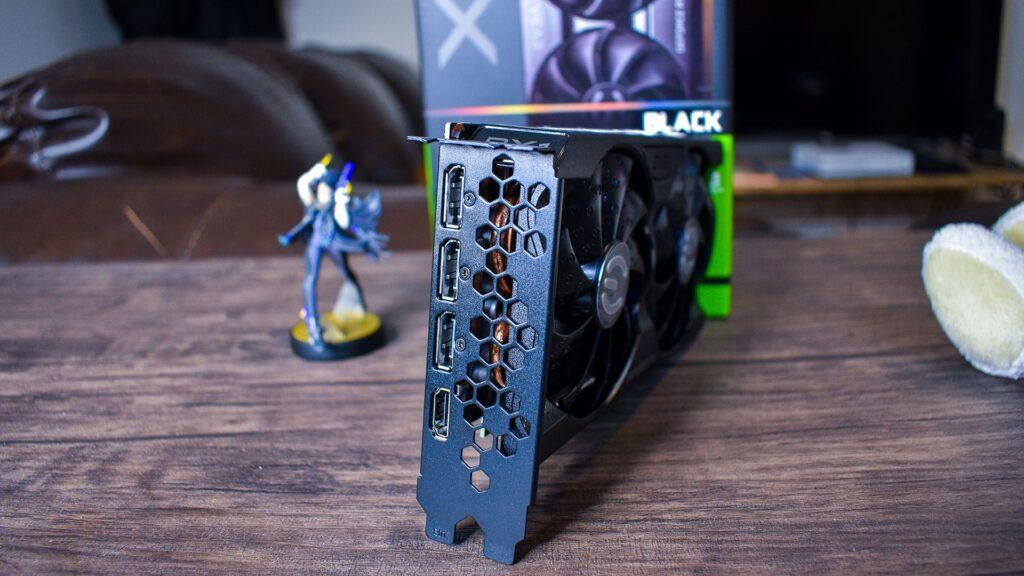
- The Nvidia RTX 3060 and 3050 are apparently returning
- A graphics card manufacturer in Asia has new models planned as affordable alternatives and this practice could spread to other regions.
- Meanwhile, we hear that SK Hynix plans to accelerate the development of its memory chip production capacity and triple it by 2034.
The RAM crisis seems to have another side effect, namely bringing back old GPUs, but there is more positive news for the future from one of the big memory chip manufacturers.
VideoCardz noted the resurrection of a pair of Nvidia graphics cards that are not even from the last generation, but from the previous one: the RTX 3050 and 3060, which are 2020 GPUs that have been brought back by Manli, a graphics card manufacturer that primarily supplies Asia.
The Manli RTX 3060 that has returned from the dead is a 12GB model, while the RTX 3050 has 6GB of VRAM and a power rating of 70W, meaning it can run from the PCIe slot (without needing to be connected to the power supply).

Elsewhere, the future of RAM looks brighter, with news from SK Hynix, one of the three major players in memory chip manufacturing, that it is ensuring manufacturing capacity increases significantly heading into the next decade.
Chey Tae-won, president of SK Group, said in an interview with Nikkei Asia (via ComputerBase, as discovered by TweakTown): “As we are moving forward with the plan to expand as much as possible, our calculations show that our wafer capacity will double within five years. But honestly, once all these facilities are built, it will not only double, but triple around 2034.”
That means that by 2031, SK Hynix will have doubled its manufacturing capacity, and it will only be a few more years until it triples, moving noticeably faster in the future. That said, we’re told this is a best-case scenario, and those expectations could always go down.
Analysis: a notable acceleration
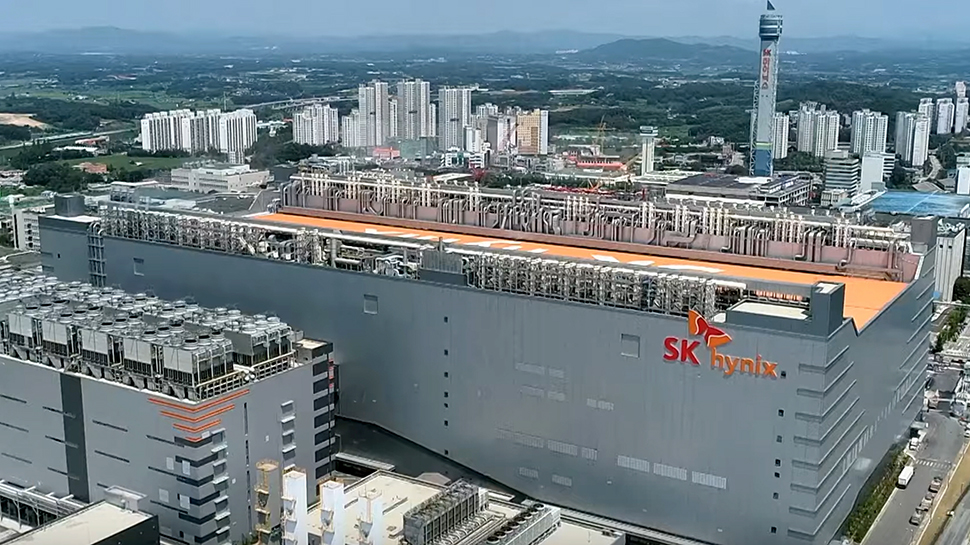
This represents SK Hynix putting the pedal to the metal on RAM production. We are now looking at eight years to triple DRAM and NAND flash memory chip manufacturing capacity, whereas previously the timeline for this was 20 years. Yes, two whole decades.
This is a measure of how much RAM demand SK Hynix expects in the future, and that the current memory-hungry environment is not going away. As we’ve heard recently, if anything, the AI boom will continue and consume even more RAM for the foreseeable future.
As for Nvidia GPUs coming back to life, this may only be in Asia for now, but it indicates that this could happen elsewhere as well. There have been previous rumors about the return of the 12GB RTX 3060, so here we are seeing hard evidence that this is really happening.
Wondering why it’s happening? Well, both GPUs have once again served as budget options at a time when availability of current-generation GPUs is becoming more problematic and prices are rising. (In fact, at the top end of Nvidia GPUs, price inflation has gotten pretty nasty this year, and the fear is that it will only get worse.)
The RTX 3060 was a popular offering for a long time, and the 12GB variant was tempting for gamers who didn’t want to be let down by Nvidia’s new budget graphics cards that only offered 8GB of VRAM. While you may question the desirability of an affordable GPU that includes video RAM in this memory-starved climate, remember that this Nvidia card uses GDDR6 VRAM, not GDDR7 as seen on current-gen Blackwell GPUs, so it’s a different question in that regard. In theory, it allows additional breathing room to produce more wallet-friendly graphics cards without taking advantage of valuable GDDR7 resources.
Of course, we don’t know how far-reaching this apparent revitalization of older Ampere GPUs might be, and it could be a fairly limited affair. Time will tell.

Follow TechRadar on Google News and add us as a preferred source to receive news, reviews and opinions from our experts in your feeds.

The best laptops for all budgets


