NEWNow you can listen to Pak Gazette articles!
In a match that featured quality goals and plenty of excitement, New Zealand and Iran played to an entertaining 2-2 draw on Monday night at Los Angeles Stadium.
New Zealand took the lead twice thanks to a stellar combination of Chris Wood and Elijah Just, but Iran were able to respond well twice with Ramin Rezaeian scoring and assisting in an inspired effort.
Here are my four takeaways from the match:
1. Wood and Just were extraordinary
(Photo by Dean Mouhtaropoulos/Getty Images)
Iran controlled the game early and then again after the break to hydrate in the first half, but it was Chris Wood who gave New Zealand hope throughout the game. Wood is widely regarded as his country’s best player, leading the national team with 45 goals and 90 appearances. His experience dates back to playing as a teenager in the 2010 World Cup.
Wood, 34, continues to play at a very high level, having scored nine goals in World Cup qualifying, and is just a year away from scoring 20 goals in the 2024-25 Premier League season with Nottingham Forest.
In this game, New Zealand’s plan called for Wood to not only be a goal threat, but also be very effective with his hold-up play. This is what kept New Zealand in the game. New Zealand had to play with most of their players sitting deep to defend. The Kiwis were able to generate offense by bringing the ball upfield to Wood, having him hold the ball while his teammates moved from defensive positions toward attack.
While Elijah Just scored both goals, it was Wood’s effort on both plays that made it possible.
Wood was extremely strong with his hold-up play and was the biggest reason why New Zealand’s attack was so effective.
That shouldn’t take away from Just’s accomplishments. The 26-year-old right winger is coming off a breakthrough season with Motherwell in Scotland, where he was one of four finalists nominated for the PFA Scottish Premiership Player of the Year award.
Just was great with his runs into the box and taking advantage of Wood’s passes.
2. Iran’s domestic actors overcome obstacles
(Photo by Dean Mouhtaropoulos/Getty Images)
There is no escaping the reality of world events, such as the wars in Iran and the Middle East, which obviously impact this Iran team significantly. The team has taken some steps to address this, namely moving its headquarters from Tucson, Arizona, to Tijuana, Mexico.
One impact of those conflicts on the field was the suspension of Iran’s national league in late February. With 17 players on the 26-man roster of the Iranian club-based World Cup squad, there were many questions about whether Iran would be prepared and fit for the tournament.
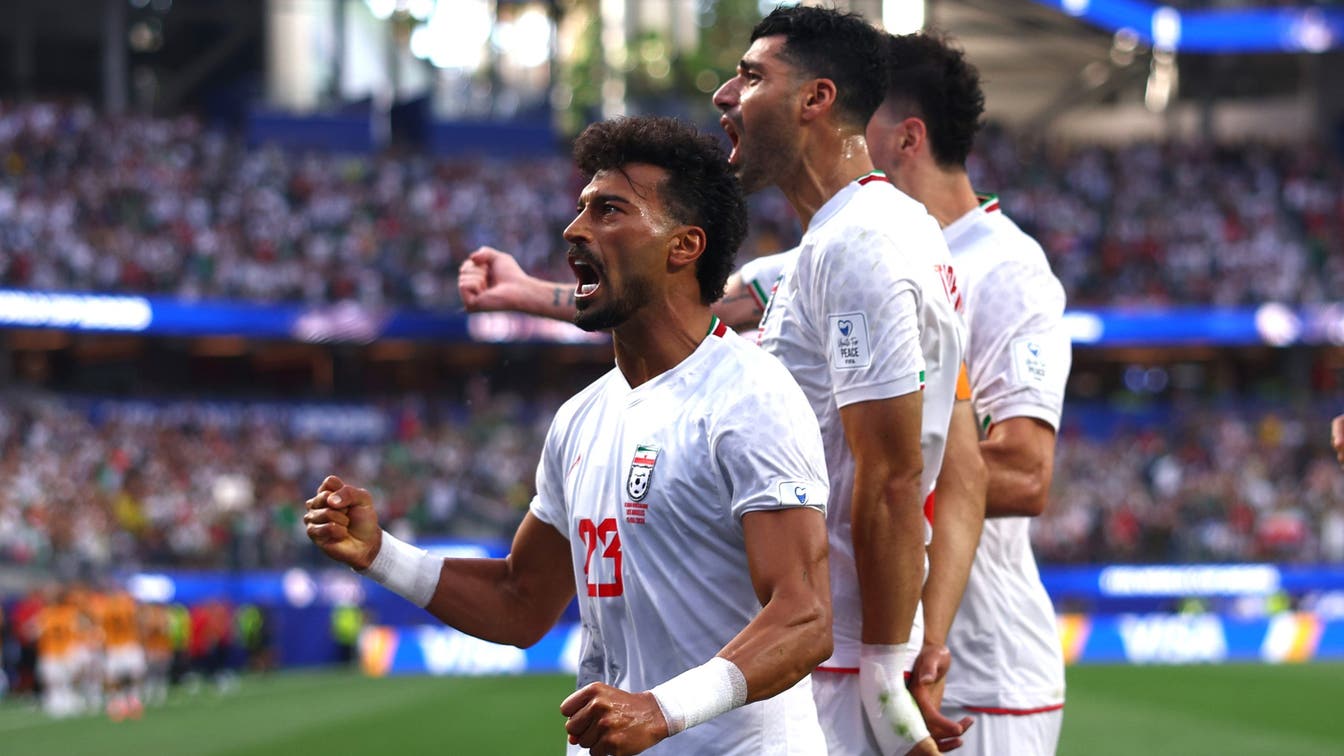
But Iran’s national team played inspired football, and none better than Ramin Rezaeian, who scored the first equalizer with an outstanding individual move. The 36-year-old winger brought Shahriar Moghanlou into the box and continued advancing towards it. Moghanlou tried to score, but the ball returned to Rezaeian to score.
In Iran’s second goal, Razaeian delivered a perfect delivery to set up Mohammad Mohebi for the second equalizer. Rezaeian plays for Esteghlal and is among the Iran national team players who haven’t played much football in recent months, but were likely motivated by adversity.
Iran also received a big boost by having this game in Los Angeles, which is home to the largest Iranian community outside of Iran. There are approximately 230,000 Iranians living in the greater Los Angeles area and the crowd significantly supported the team.
3. Hydration breaks changed the momentum
(Allen J. Schaben/Los Angeles Times via Getty Images)
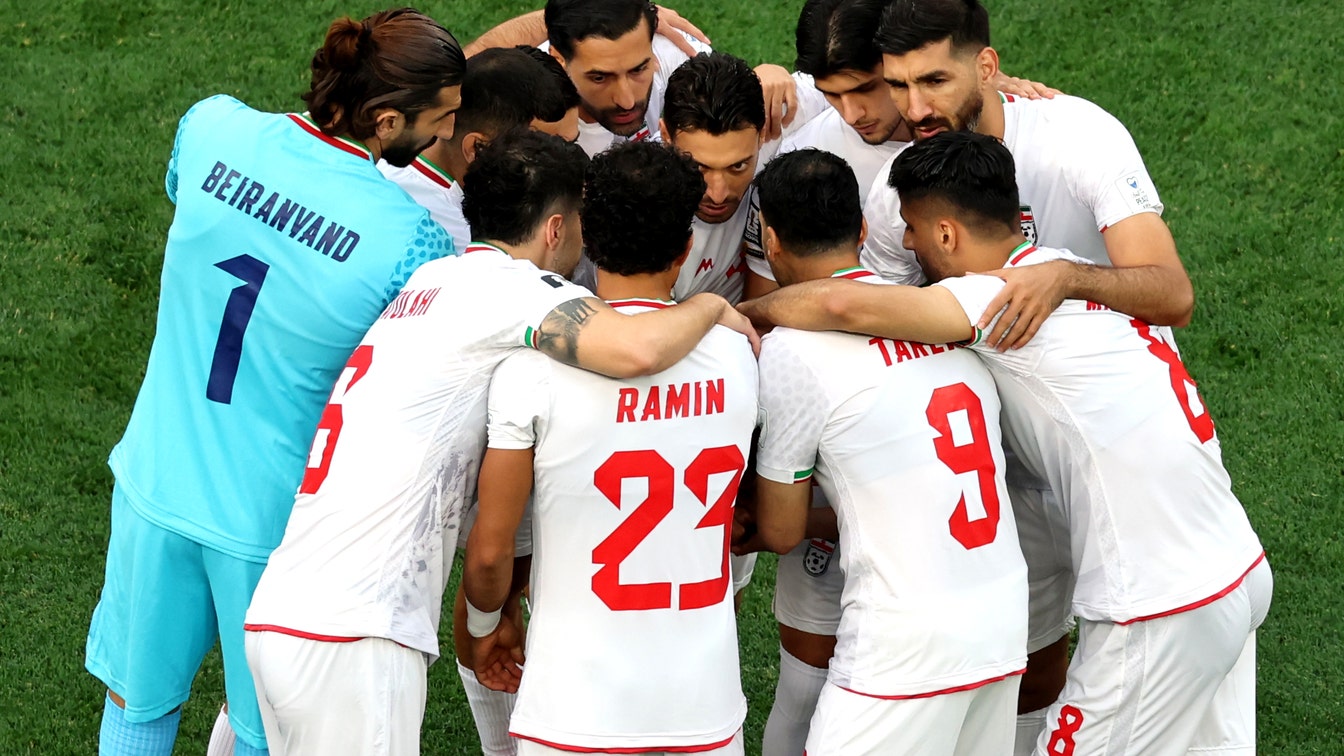
There was a lot of talk about how hydration breaks would affect the flow of games at this World Cup. It’s a very different concept in the sport that has effects far beyond allowing players to drink drinks to cool down. It allows teams to regroup, change tactics, refocus and also deflates momentum. Teams no longer have to solve their problems in the early parts of each half. Instead, they can play during the hydration break.
In the first part, the hydration break changed everything. After Iran got off to a good start, New Zealand began to have better chances until the break. Then after the break, New Zealand’s momentum disappeared. Iran changed their approach, was once again the better team and scored the first equalizer in that change of momentum.
In the second half, New Zealand benefited from the break. In the previous minutes, Iran seemed on the verge of advancing definitively, while New Zealand’s defense seemed on the verge of collapsing. But the break allowed New Zealand coach Darren Bazeley to make adjustments and give his players a break. For the rest of the match, New Zealand’s defense was much more organized and was able to limit Iran’s chances.
4. Difficult path for either of us to advance
Before the tournament, Belgium and Egypt were expected to be the top two teams in the group, while New Zealand and Iran would battle for third place. With Egypt and Belgium drawing 1-1 earlier in the team, all four teams now have a point.
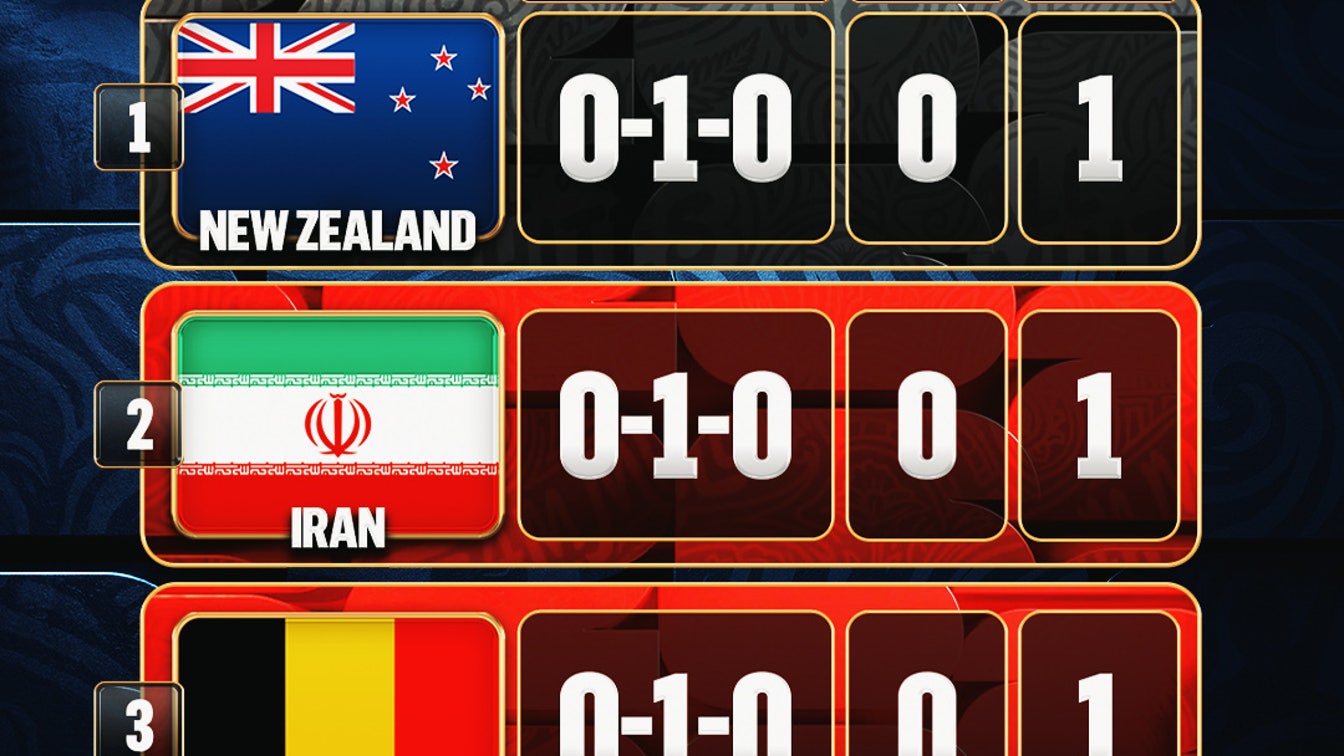
It was an exciting and well-played game, but the lack of a winner still makes it very difficult for these teams to advance. One of these teams will finish in the top three, but without a win, it is unlikely that any of the eight third-place teams will advance.
Both teams must go back to the drawing board and find a way to pull off an upset against an even better opponent. Iran will play Belgium next, while New Zealand will face Egypt. Neither Iran nor New Zealand have ever advanced to the round of 16 of the FIFA World Cup. It is not ruled out if it will happen in 2026, but something special will be needed now.